

|
Getting your Trinity Audio player ready...
|
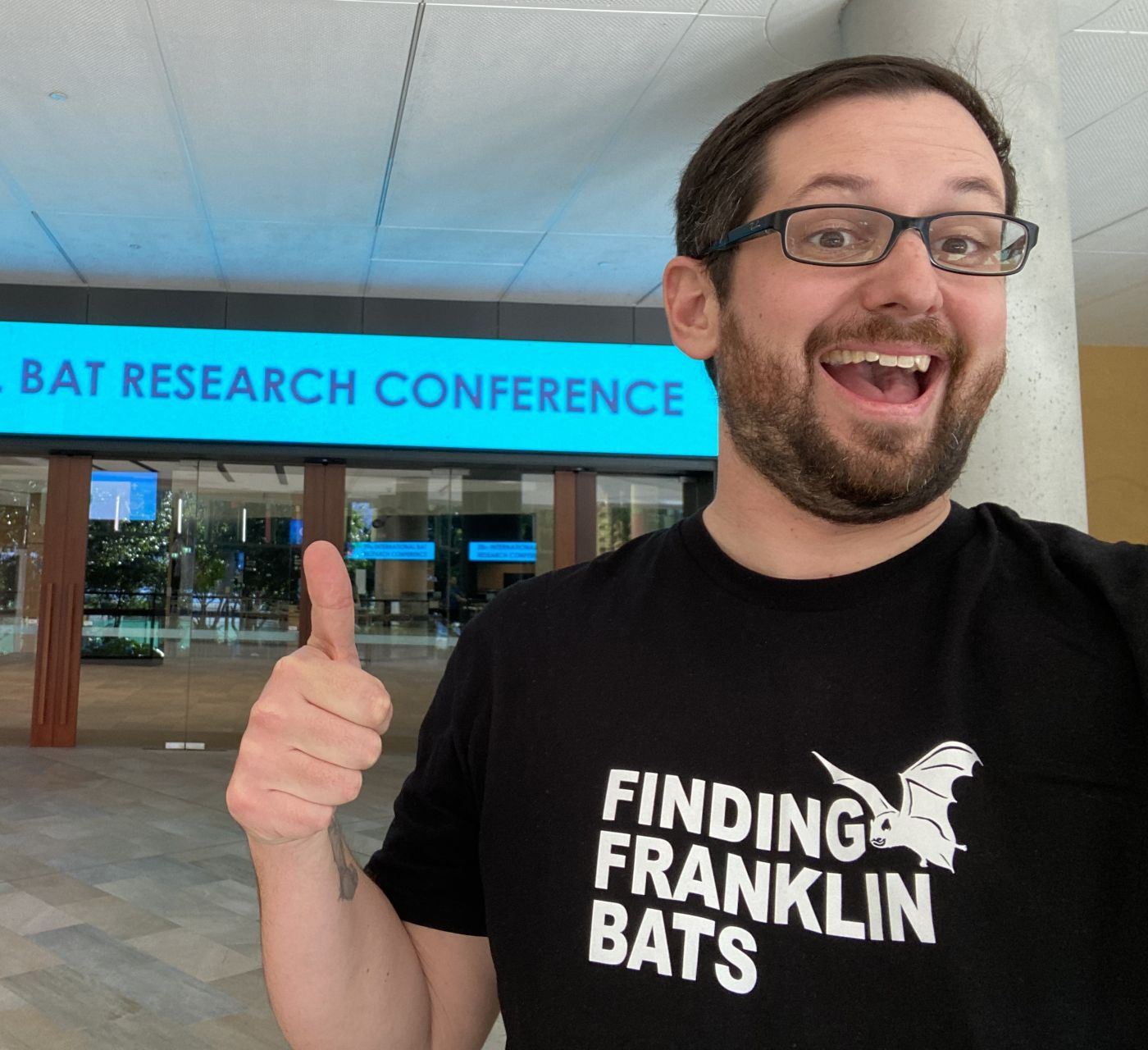
Ben Paris (aka Batman) is no superhero. While he’s spearheaded the Finding Franklin Bats initiative, he can’t ensure the survival of pekapeka on his own.
After a busy “batting season” during summer, the New Zealand natives are in the bushes and loving it, Paris told the Times.
“They are already having a party every night – they’re out there feeding, knowing we are providing predator control to keep them happy, and thriving,” he says. “We’re now seeing and understanding them more, with more sightings during bat walks and stronger connections between people and pekapeka.”
Ensuring the survival of his diminutive charges is not a war won, not yet, but Paris and his team are at least turning the tide.
“Yes, we are winning. We’re seeing more people than ever doing community-led pest control and increased monitoring results, including higher monitoring numbers and more juveniles, which points to a healthy and growing population.”
As recently reported in the Times, the project has again benefited from funding intended to support environmental projects.
“Funding is extremely valuable. It goes directly into the project, particularly towards upskilling and employing local community members to carry out the work. We simply couldn’t deliver this work without it.”
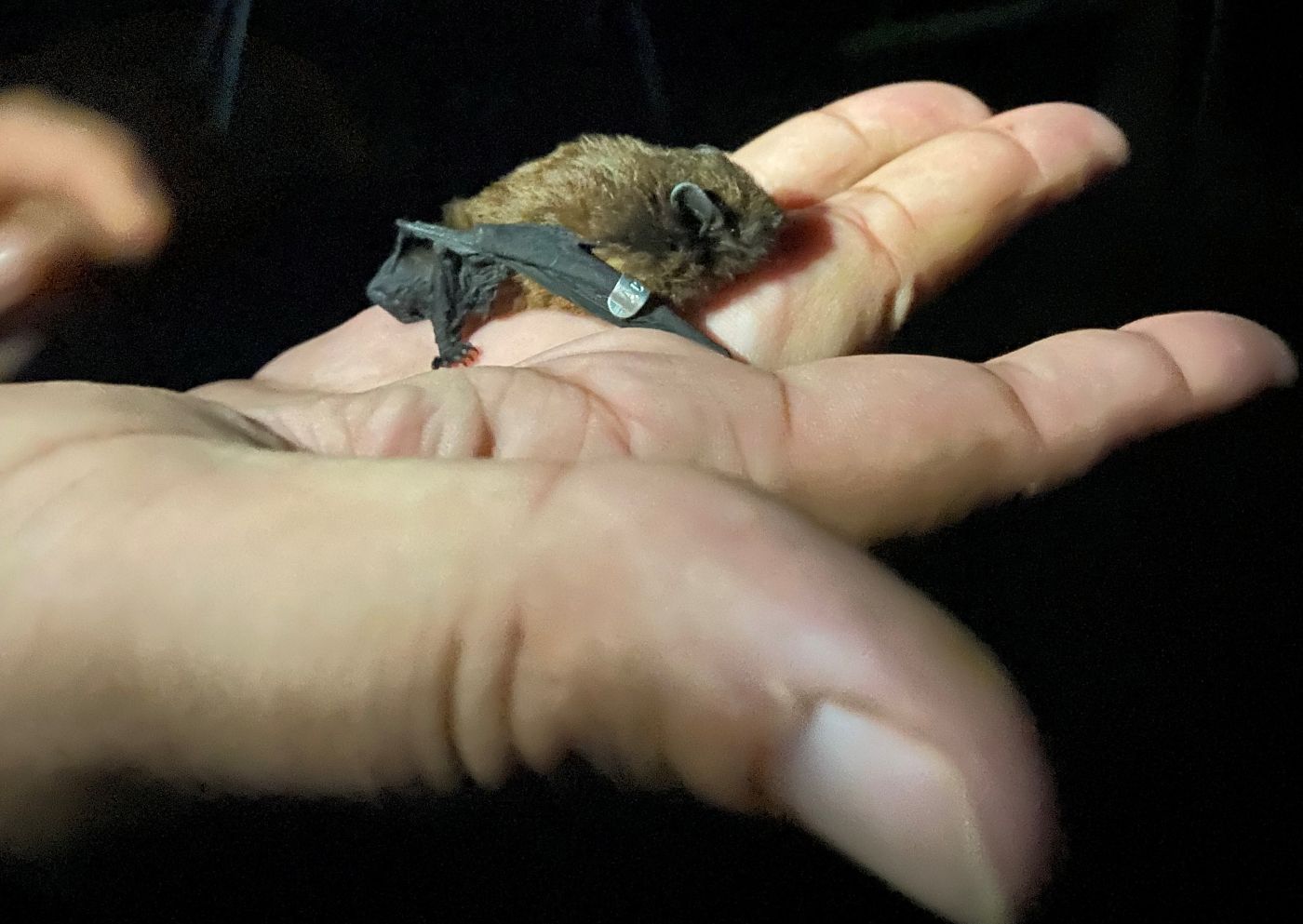
During the summer, radio tracking, acoustic monitoring and mark-recapture work – where bats are trapped, tagged and tracked – were the order of the season as transmitters revealed new secrets about pekapeka behaviour.
The programme has also engaged locals through public bat walks, including a Halloween special, and even a Bat Disco.
In addition, the team is also tuning in to other nocturnal locals, using the same acoustic skills to detect nocturnal birds, including the threatened matuku hūrepo and ruru.
None of this work is possible without teamwork and community collaboration.
“It’s a true community and council collaboration, connecting local people with pekapeka,” Paris confirms. “It’s really about building people power on the ground – supporting locals to lead conservation efforts in their own backyards.”
To read more about Finding Franklins Bats, click here.