


|
Getting your Trinity Audio player ready...
|
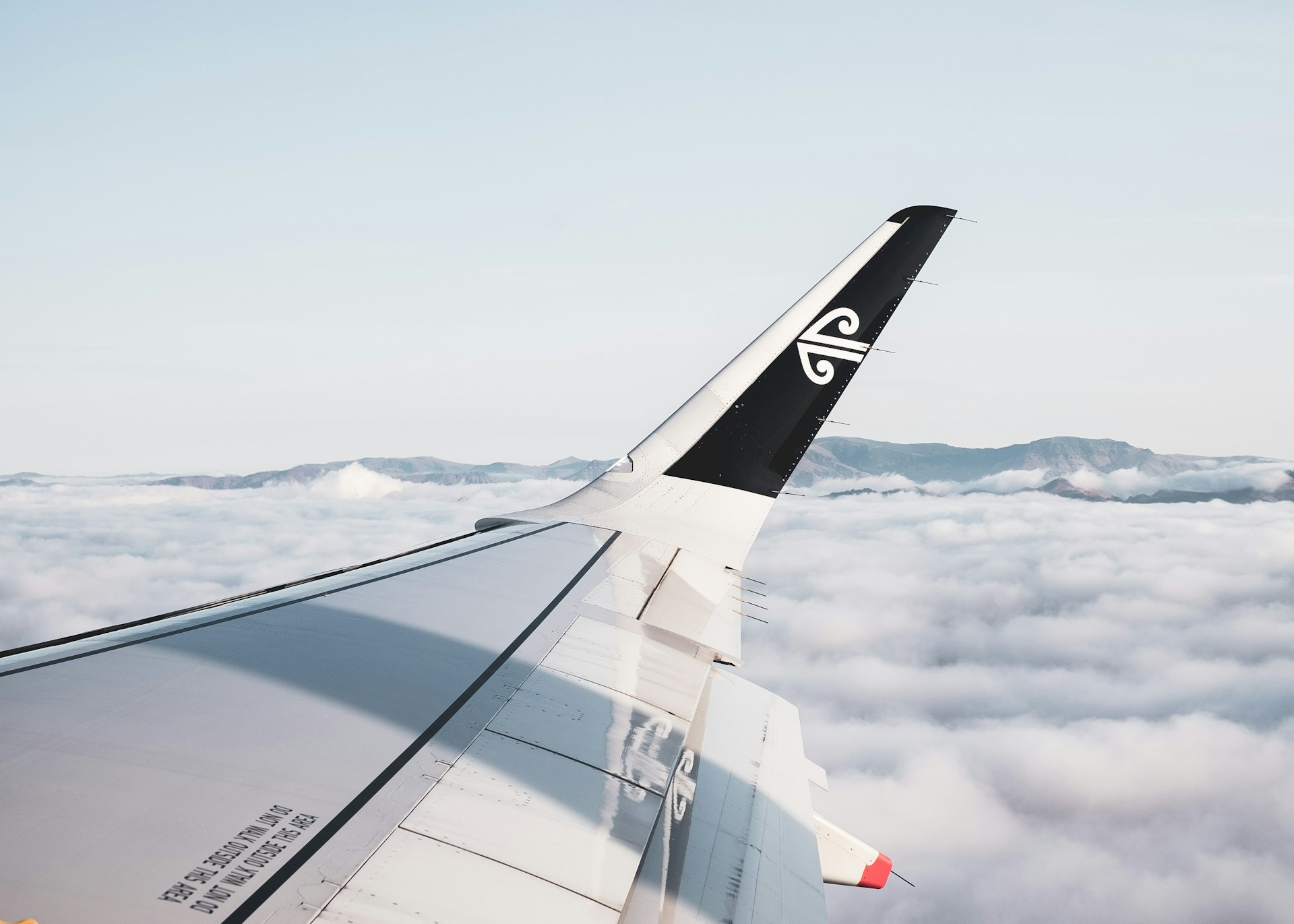
Air New Zealand has increased ticket prices after global jet fuel costs surged following the escalation of conflict in the Middle East.
In a market update released on March 10, the airline said there is currently no shortage of jet fuel in New Zealand. However, the sharp rise in global fuel prices is increasing operating costs.
As a result, Air New Zealand has introduced initial one-way fare increases of $10 for domestic flights, $20 for short-haul international flights, and $90 for long-haul travel.
The airline says further price changes could follow if fuel costs remain high.
“While there is currently no disruption to domestic jet fuel supply in New Zealand, we are working closely with our suppliers and the New Zealand Government to monitor global developments.
“If the conflict leads to continued elevated jet fuel costs, we may need to take further pricing action and adjust our network and schedule as required.”
Before the conflict escalated, jet fuel was trading at around US$85 to US$90 per barrel. Prices have since surged to between US$150 and US$200 per barrel.
Airlines purchase jet fuel based on two main components, the global price of crude oil and the cost of refining that oil into jet fuel. Both parts of that equation have become highly volatile since the conflict intensified.
Air New Zealand said the refining margin, known in the industry as the ‘crack spread,’ has risen sharply. It was around US$22 per barrel before the conflict but has climbed as high as US$115 per barrel in recent days.
Although the airline has some protection against rising oil prices through hedging, (locking in prices in advance), it is still exposed to large swings in refining costs.
Air New Zealand says it has hedged about 83 percent of its crude oil exposure for the second half of the 2026 financial year. However, like most global airlines, it remains vulnerable to sudden changes in the refining margin.
The airline expects to use about 2.9 million barrels of fuel between March and June this year.
Because of the uncertainty in fuel markets, Air New Zealand has also suspended its earnings forecast for the 2026 financial year.
When it released its interim financial results on February 26, the airline had expected second-half earnings to be broadly similar to, or slightly lower than, the first half, when it reported a $59 million loss.
However, the sharp rise in jet fuel prices means that forecast is no longer reliable.
The airline said the ongoing conflict has created “unprecedented volatility” in fuel markets and is likely to significantly affect its financial performance in the second half of the year.
Air New Zealand says it will continue working on cost reduction measures to help offset some of the pressure, but the outlook remains uncertain.
Other factors affecting the airline’s financial outlook include delays in engine returns, the timing of compensation payments, and wider changes in travel demand.