

|
Getting your Trinity Audio player ready...
|
A Bombay-based business has launched a recycling programme in Franklin schools to help tackle the country’s growing waste problem.
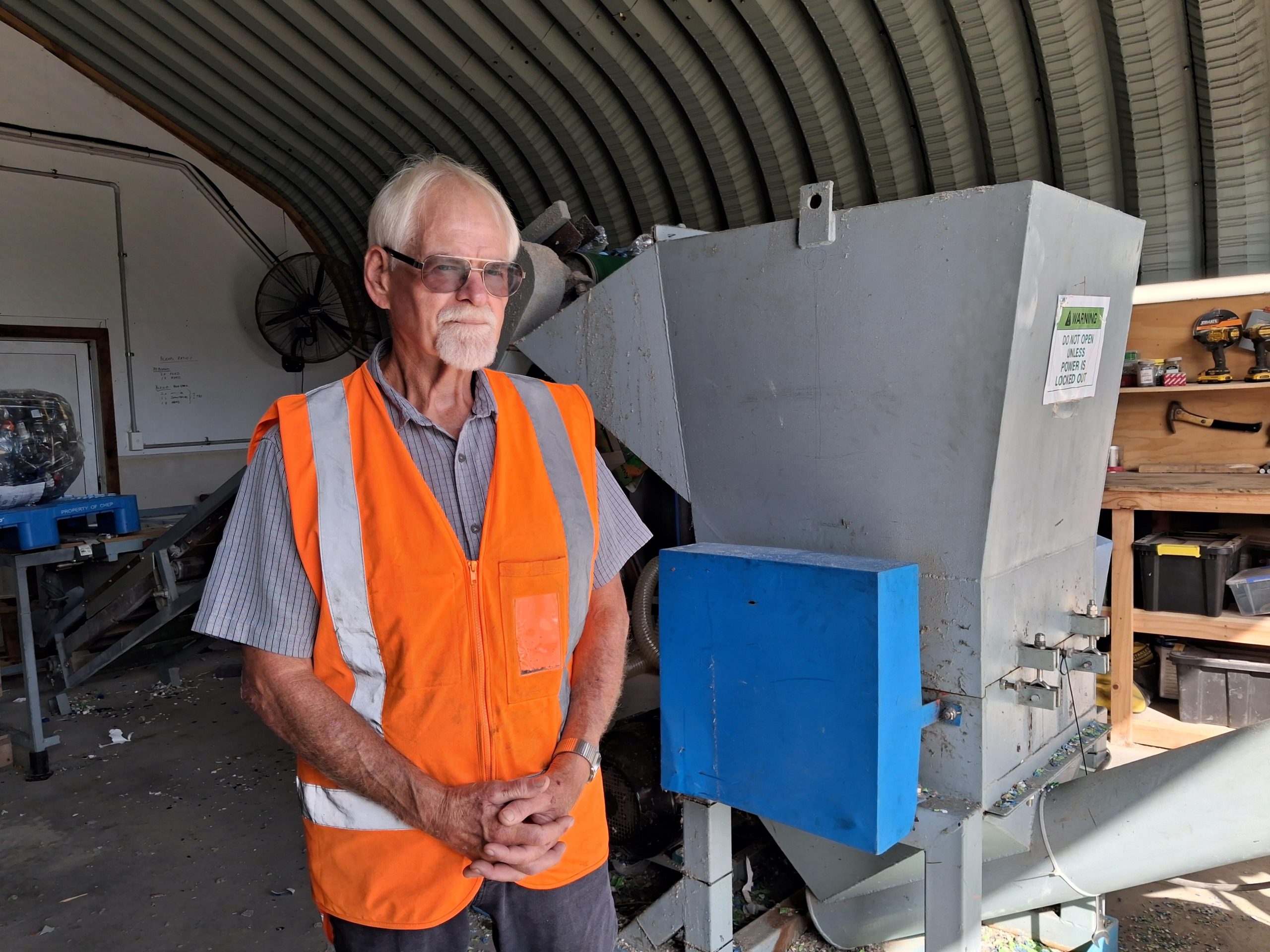
Environmental Aggregates and Concrete Limited (EACL) runs the programme which turns unsorted, unwashed, and mixed plastic waste (grades 1-7), including soft plastics and laminates, into a high-quality, lightweight aggregate for concrete.
EACL director Peter Barrow said the sustainable, New Zealand-based, zero-waste technology provides a durable, eco-friendly alternative to traditional stone aggregate, suitable for various construction applications. The company’s flagship product is its Plazrok pavers.
Puni School is one of many schools across Franklin taking part in the programme.
Principal Haydon Brill said it has already become a positive and visible part of the school’s sustainability practices.
“The uptake has been steady, and we are seeing growing awareness and participation from both students and whānau (family).”
Brill said the programme works well for Puni School because it reinforces its ongoing focus on environmental responsibility and making thoughtful choices about waste.
“Traditionally, we have focused strongly on paper recycling and encouraged students to take their lunchbox rubbish home to support better decision-making around packaging. This initiative has expanded what we are able to recycle beyond the usual council options, allowing us to divert items that would previously have gone into general waste. It also provides a practical, hands-on way for students to learn about sustainability.”
Students have responded really positively, Brill said.
“Each class now has a soft plastics bin and students help sort these alongside their paper recycling, which has helped build awareness and ownership. Our caretaker has also added a fun competitive element by running a weekly points tally for classes as part of our class reward system. Families have been supportive as well, and many of our regular whānau are making good use of the opportunity to send soft plastics to school for recycling.”
Since joining the programme, the school has filled and sold around 40 210-litre bags of soft plastics, and the collection continues to grow as awareness increases across the school community.