


|
Getting your Trinity Audio player ready...
|
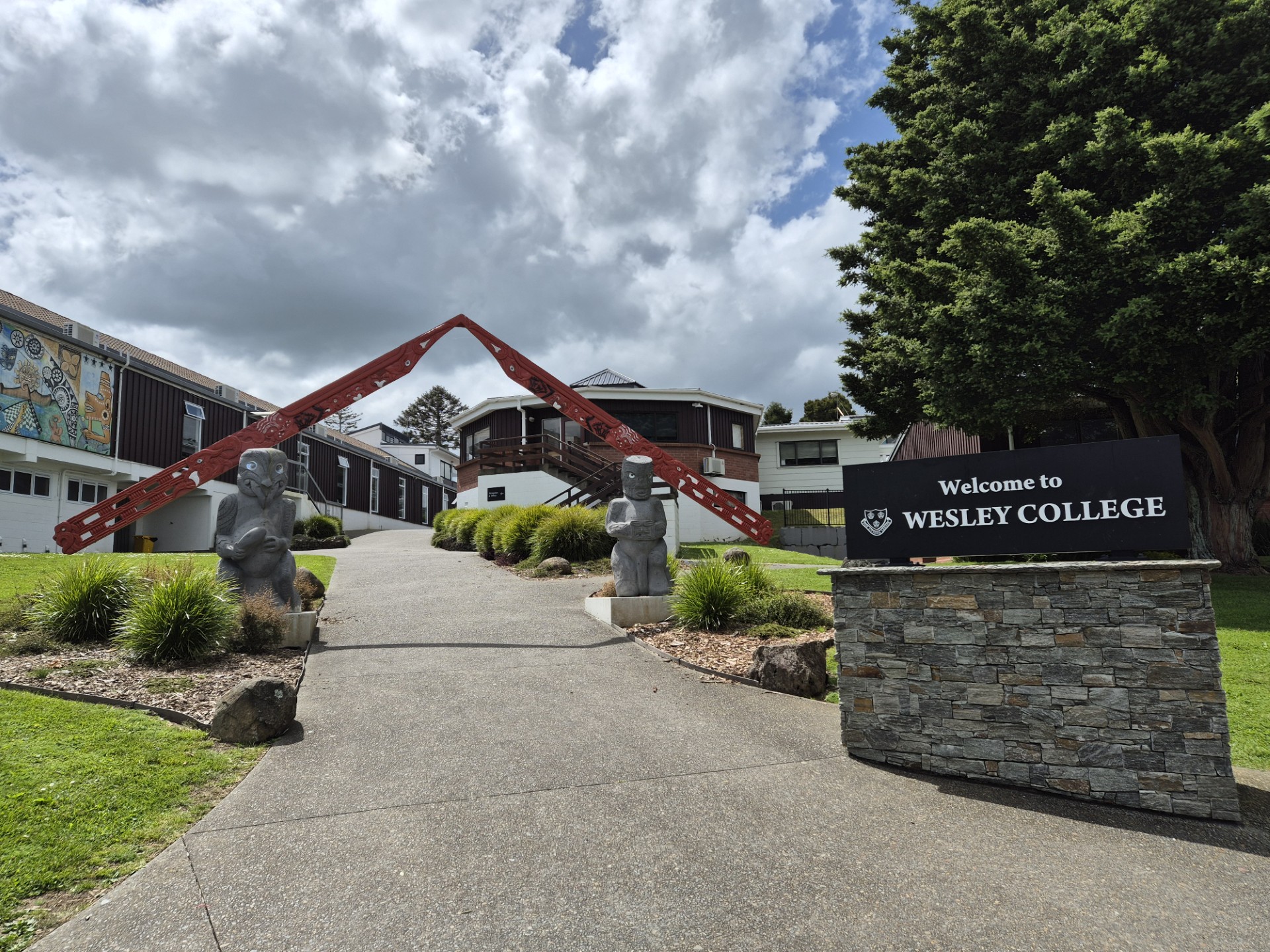
Wesley College Trust Board last night lodged an appeal with the Auckland District Court, challenging the Ministry of Education’s Suspension Notice requiring closure of some hostels it operates at Wesley College by the end of this week.
On the afternoon of Friday, 31 October, the Ministry issued a Suspension Notice requiring that boarders with NCEA commitments may remain in the hostels until all their 2025 NCEA assessments are complete.
International students may remain until the end of term. All other boarders must leave by this Friday, 7 November.
“The timing and nature of the directive have placed significant pressure on students, families, and staff. The Board believes the Ministry’s approach has been unnecessarily disruptive, particularly for Year 9 and 10 students in the final weeks of the school year who are engaged in exams, learning projects, and end-of-year commitments,” a board spokesperson says.
“The Trust Board and school leadership say they take student safety seriously and believe they have met all requirements.
“In addition, over the past year, the Board has added substantial extra resources to hostel operations to address any concerns raised, including: one staff member for every 15 students overnight, one staff member for every 10 students during the day, a minimum of two staff on duty in each dormitory at all times, regardless of student numbers.”
The legal action relates solely to the abrupt closure directive which affects Year 9 and Year 10 students.
“As the school community was advised earlier this term, we planned to close the hostels at the end of Term 4 in an orderly and well-supported way.”
“The Board remains focused on ensuring the safety, stability, and continuity of care for all Wesley College students boarding in the hostels.”
According to the school, the Board is the Proprietor (owner) of the Wesley College property. Under an Integration Agreement signed with the Crown in 1976, the control and management of the school was passed to the Wesley College Board of Trustees.
Control and management of the remainder of the Paerata property, including the hostels, remains with the Wesley College Trust Board.
The Trust Board is appointed annually by the Conference of the Methodist Church of New Zealand.
The Integration Agreement recognises that the principal, Brian Evans, has delegated authority to administer the hostel accommodation and is responsible for the care and custody of boarders outside of normal school hours.
The Trust Board says it has policies and procedures that guide the principal in the management of the hostels.

It comes after the school was blindsided by the ministry’s decision to bring forward the closure of the hostels.
The Ministry of Education had suspended the licence for Wesley College’s hostels, bringing forward their closure date and sparking urgent talks between the school and government officials over student accommodation.
The college in Paerata had already announced plans to close its student hostels at the end of Term 4, following ongoing concerns about safety, supervision and hostel culture.
The school operates six hostel buildings on its Paerata campus, five for boys and one for girls, with capacity for 305 boarders. In March, the Education Review Office (ERO) inspections found that about 160 students were living on site, representing about half the school’s total roll.
The Wesley College Trust Board confirmed the decision in a statement issued by chairperson Jan Tasker on October 20, saying that “while progress had been made in improving safeguarding and culture, deeper structural change was still needed.”
But by October 31, the Ministry of Education had brought the closure date forward.
Ministry of Education leader of operations and integration Sean Teddy confirmed the licence suspension takes effect from the close of business on Friday, November 7 under Regulation 32 of the Education (Hostels) Regulations 2005.
He said the decision follows “a pattern of serious and ongoing concerns about the safety and wellbeing of boarders.”
“While some improvements have been made since special conditions were imposed on the hostel’s renewed licence in April 2025, further serious incidents have occurred this year. These incidents have highlighted persistent issues with student safety, staff oversight, and the hostel’s ability to shift away from longstanding practices that place boarders at risk.”
Teddy said the Education Review Office’s September 2025 progress report recommended suspension of the hostel’s licence, which, along with the Ministry’s monitoring and recent incidents, led to the conclusion that continuing operations “is not in the best interests of boarders.”
Boarders sitting NCEA exams will be allowed to stay until their assessments are complete, and international students may remain until the end of term. All other boarders are required to vacate by November 7.
“The Ministry remains focused on making sure that all boarders are safe and supported and will continue to work closely with the school and families to manage this transition,” Teddy said.
Background
A special Education Review Office report in June 2023 found the Wesley College Trust Board had not done enough to ensure the safety of students living in its hostels. While the facilities met minimum licensing requirements, ERO said boarders “were not yet provided with a safe physical and emotional environment that supports their learning.”
Concerns included inadequate night-time supervision, poor record-keeping, weak complaints management and a lack of staff training in bullying and abuse awareness.
Although some facility upgrades and new programmes were introduced in early 2023, ERO found the pace of change too slow and recommended that the Trust Board strengthen health and safety systems, professional development, and policy oversight to prevent harmful practices and improve the boarding experience.
In March 2025, the ERO acknowledged that Wesley College had made progress in improving hostel culture, systems and staffing since the earlier review. Boarders reported a more positive climate and clearer behaviour expectations. A new Head of Boarding had been appointed, and overnight supervision strengthened through alarm systems, CCTV and regular in-person checks. Training in health and safety and child protection was also introduced.
However, ERO warned that the pace of governance reform remained too slow and that the Trust Board still lacked a strategic plan to sustain improvements. It found policy implementation inconsistent across boarding houses and identified non-compliance with complaints and licence-display requirements. ERO recommended stronger governance, consistent systems and building upgrades to ensure boarders’ physical and emotional safety.
The ERO has not yet released its September 2025 report, which the Ministry of Education has referred to in its licence-suspension decision.