


|
Getting your Trinity Audio player ready...
|
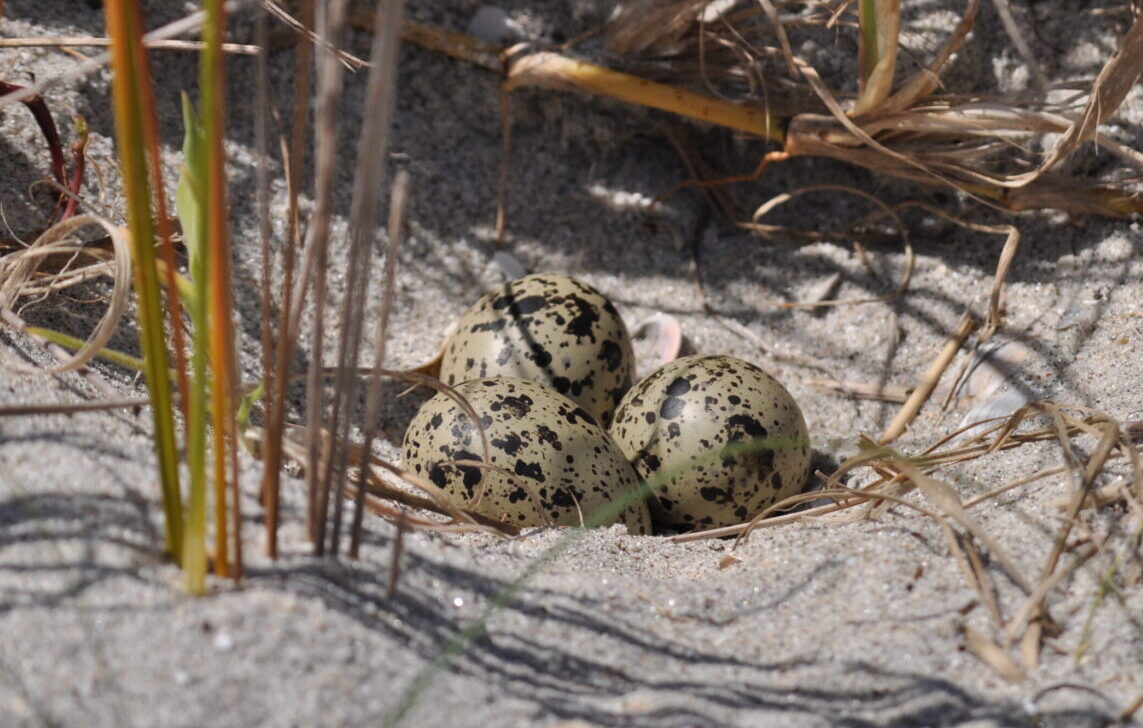
As Aucklanders flock to the coast for summer swims, strolls and sandy picnics, another kind of seasonal buzz is happening along the region’s shores.
It’s nesting season for many native coastal birds and while most nesting wraps up by the end of January, fluffy, fast-moving chicks are still very much on the ground and learning to survive.
Auckland Council’s environmental services general manager Samantha Hill says our beaches, islands, and urban areas are home to a range of precious native species including the fragile baby birds.
“Protecting our unique biodiversity is a shared responsibility. From the dunes of Rodney to the heart of the city’s waterfront, we’re counting on Aucklanders to show that beaches can be places of both recreation and protection to ensure these fledglings get the best start in life.
“By working together, we can safely share the same spaces and the precious wildlife that helps make these places so special.”
What people can do this summer
Whether picnicking, walking, or exploring the coastlines, small actions make a huge difference:
- Give nesting areas plenty of space – 50 metres if possible.
- Keep dogs on leads and respect sanctuary zones.
- Be a “wet-sand walker” and stay closer to the waterline.
- Never feed seabirds, as it attracts pests and harms their health.
Friendly beach patrols in Rodney
In the busy northern beaches, beach patrol officers funded by the Rodney Local Board are out daily at hotspots such as Ōmaha, Snells Beach, Te Ārai, Pākiri, Muriwai and Tapora.
Their role is simple but powerful: talking with beachgoers about how to enjoy the coast while protecting vulnerable species like the New Zealand dotterel (tūturiwhatu), fairy tern (tara iti), bar-tailed godwit (kuaka), and little penguin (kororā).
Working alongside community groups, compliance teams and environmental staff, the council says patrol officers combine education with gentle enforcement.
“The result? Fewer disturbances, quicker responses to issues like vehicles on dunes, and more people understanding why a little space can make a big difference.”
“In the heart of the city, thousands of red-billed gulls (tarāpunga) are nesting on Wynyard Wharf.
“This bustling waterfront has supported a breeding colony since the 1990s and is now home to close on 2000 birds with multimillion-dollar views!”
Despite surrounding concrete yards, ferry traffic and future redevelopment plans, the gulls, along with white-fronted terns and nearby dotterels, continue to thrive making this a rare example of at-risk species living and breeding in the centre of the country’s largest city, because of careful management and thoughtful design.
“Future plans include signage and education features so visitors can learn about the remarkable bird life sharing the city.”

Local guardians in the south
At Ōrere Point, community care is front and centre, says the council.
“A pair of New Zealand dotterels are currently incubating eggs, with chicks expected any day.
“Volunteer dotterel minders keep watch and help visitors understand why the community and day-trippers backed the temporary dog-rule changes to help protect this breeding site.
“Last season, one chick successfully fledged here. This summer, hopes are high for more, a powerful reminder of what local passion and awareness can achieve.”
Secretive success on the wild west coast
At Te Henga (Bethells Beach), three tiny dotterel chicks have been spotted darting across the sand.
“You’d need sharp eyes to spot them which is exactly the point. These chicks rely on space, camouflage, and calm to survive, a reminder of the importance of giving shorebirds plenty of space during summer.”
Clear signs and safe spaces
Across Auckland, roped-off nesting zones, temporary dog rules and clear signage are helping protect birds at their most vulnerable, says the council.
“Te Henga offers a programme where dog owners can borrow a leash if they arrive to walk their dog and have forgotten their own.
“These aren’t barriers to enjoyment. They’re an invitation to share our beaches thoughtfully.
“As the environmental services team on the ground often points out, we’re lucky to share our coastline with some of New Zealand’s rarest species.
“With a little care and cooperation, Aucklanders can prove summer fun and wildlife protection go hand in hand, ensuring these birds, and their chicks, have a future long after the sand has cooled and the crowds have gone,” says the council.