


|
Getting your Trinity Audio player ready...
|
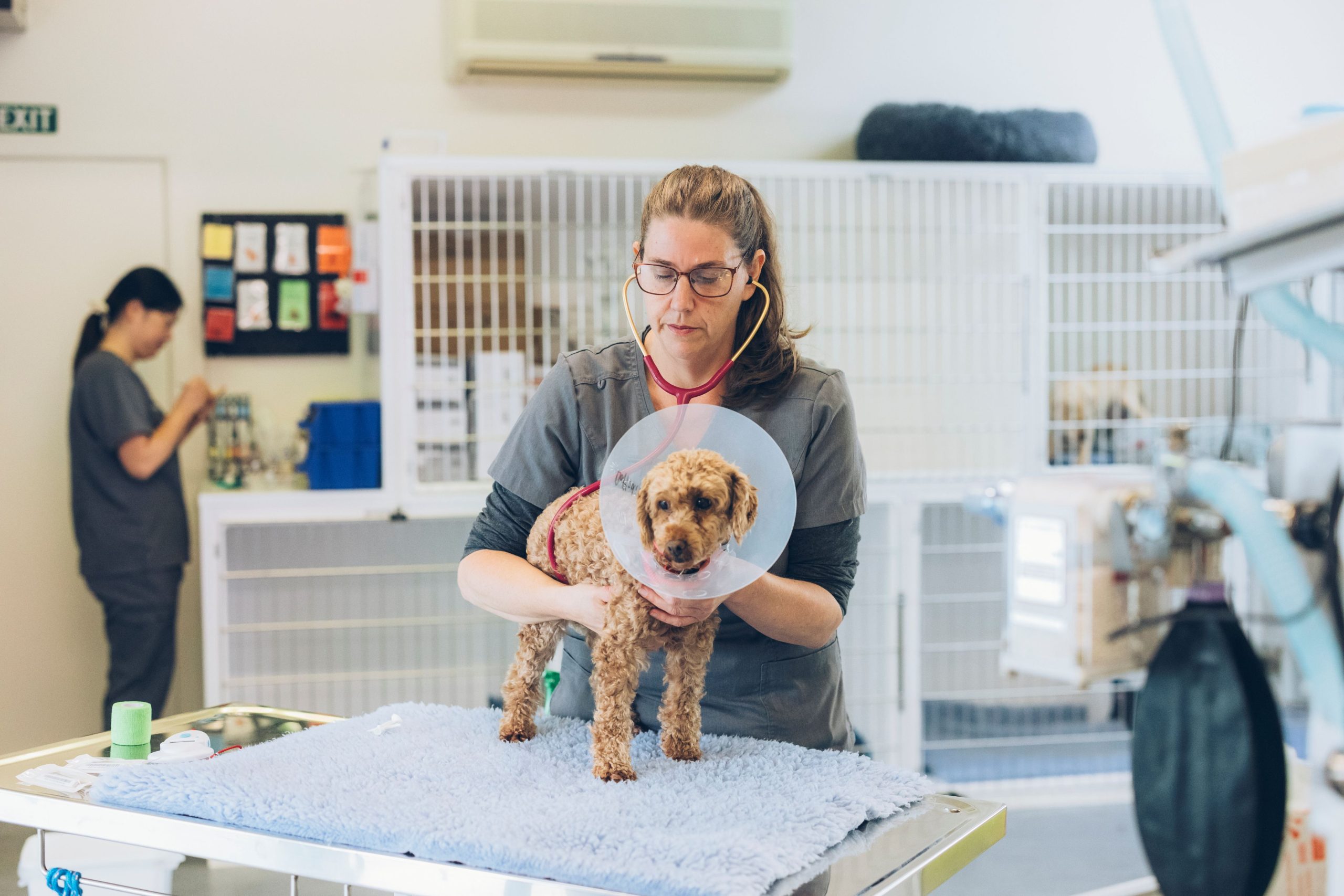
Auckland Council’s first-ever in-house dog desexing clinic is beginning to show positive results after 475 desexing procedures in under five months.
The council said 229 male dogs and 246 females have undergone the procedure, with 140 on waiting lists. Those numbers are expected to increase as the council targets what they call “high need” areas in the city.
Led by veterinarian Roz Holland, who joined the animal management team last year and has extensive experience with desexing initiatives in Peru, India, and the United States.
“Everyone involved in dog control and dog welfare knows the key issue is overpopulation.
“Desexing is vitally important to addressing that issue. Unfortunately, the barriers, cost, and transport are just too high for many people. This role appealed to me because it directly addresses those challenges and has the resources to make a real impact,” Holland said.
Despite the programme’s initial success, animal management manager Elly Waitoa was still cautious, warning that the situation remained serious.
“Roaming dogs and overpopulation have become overwhelming, not just for the council but for communities across Auckland.
“Bringing Roz and the team on board has given us new tools to respond, and the early results show we’re on the right track. The circumstances that led us here are disappointing, but we’re determined to turn the tide,” Waitoa said.
The council receives over 15,000 reports of roaming dogs a year, and incidents have risen 50 per cent since 2020. More than 1,300 dog attacks are reported annually.
In addition to the desexing clinic, Auckland Council also plans to get tough on irresponsible owners who fail to register their dogs. Desex in areas deemed high-risk, raise public awareness through campaigns like “For you, your dog and your neighbours”, and hold regular registration drives.
“The reality is that roaming dogs are affecting communities, causing harm, fear, and frustration. Our shelters are at capacity, and controlling the dog population through desexing is key to addressing these issues.
“But with targeted programmes and people like Roz leading the way, we’re addressing it head-on. We’ve made a good start, and this is just the beginning,” Waitoa said.