


|
Getting your Trinity Audio player ready...
|
Travellers heading to the Pacific are being urged to take extra precautions as dengue cases continue to rise across several island nations, with the Cook Islands at the centre of the current outbreak.
According to SafeTravel’s latest update on February 3, several Pacific Island countries are reporting increased dengue activity, including Samoa, Tuvalu, Nauru, Kiribati and American Samoa.
The Cook Islands has been particularly affected, with dengue transmission remaining active and case numbers continuing to climb. Two dengue virus types: DENV-1 and DENV-2, are currently circulating.
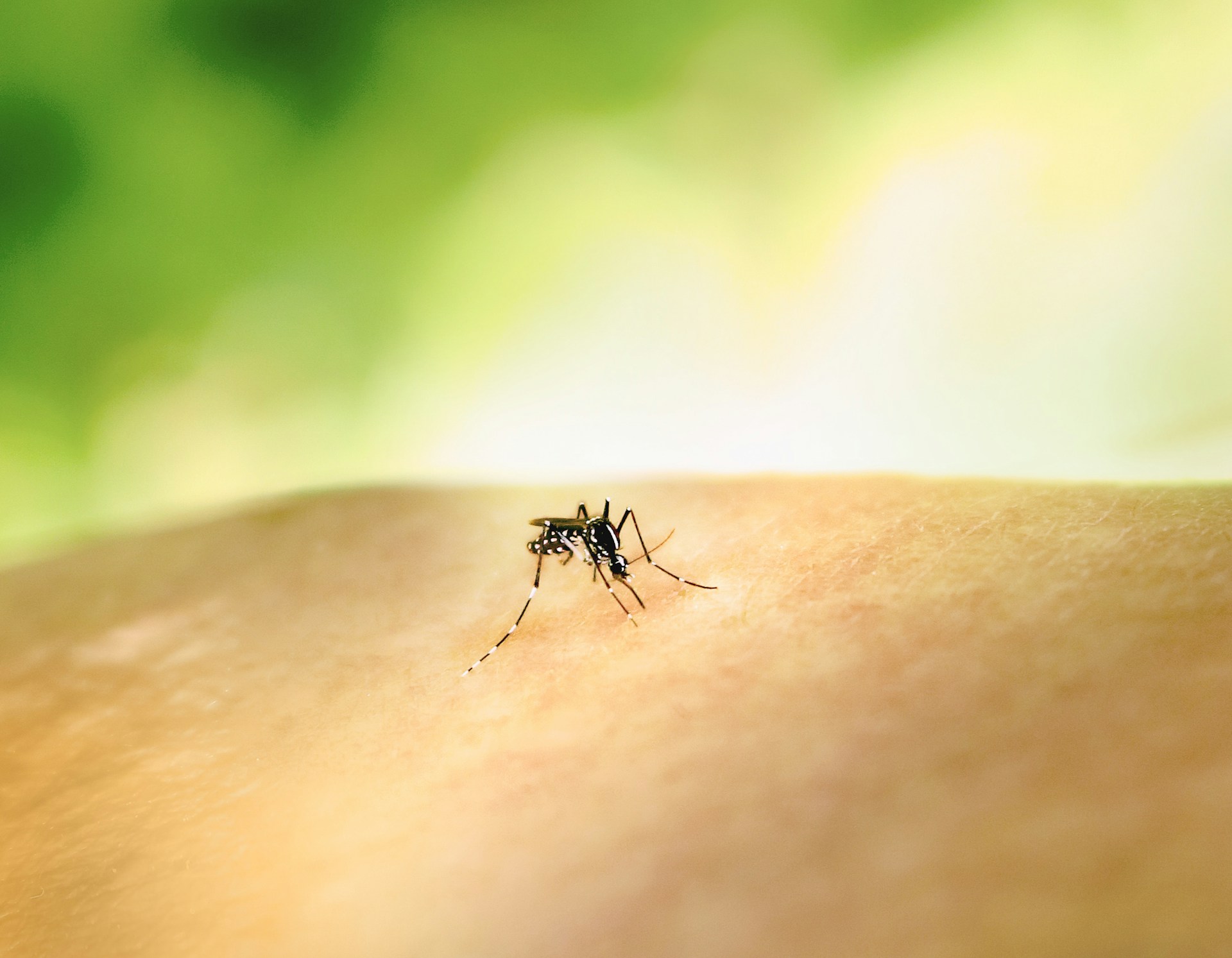
Dengue is a viral infection spread by mosquitoes and is more common in tropical and subtropical regions. While many cases are mild, dengue can be life-threatening, particularly for people who have been infected previously.
SafeTravel warns that people who have had dengue before face a higher risk of developing severe dengue if they are infected again.
More than 560 cases in Cook Islands
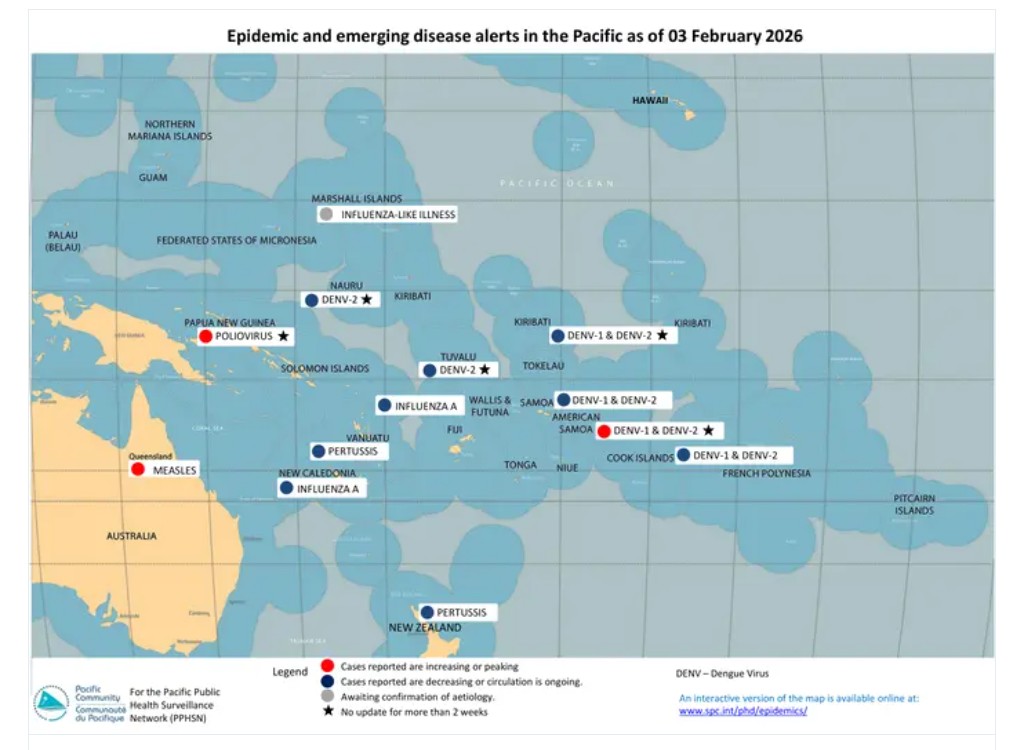
Data from The Pacific Community (SPC) shows the Cook Islands has recorded 562 probable and confirmed dengue cases since the outbreak began in May 2025.
As of January 23, 2026:
- 89 cases remain active
- 473 people have recovered
- 31 people have been hospitalised
- No deaths have been reported
Ongoing testing and surveillance are underway across all islands, with public-health responses including targeted mosquito control in hotspot areas, community awareness campaigns, and readiness to introduce domestic flight border measures if needed. A blue alert for both DENV-1 and DENV-2 remains in place.
Returning travellers driving NZ cases
Health New Zealand says the Pacific outbreaks are also being reflected in New Zealand case numbers.
Public Health Medicine Specialist Matt Reid says 86 people in New Zealand have contracted dengue, with 75 cases linked to travel to the Cook Islands.
“These cases have been continuing to grow week on week,” Reid says.
While dengue cannot spread from person to person, it can be transmitted by mosquitoes in areas where the virus is circulating. New Zealand does not have mosquito species capable of transmitting dengue.
“There is also no dengue vaccine currently available in New Zealand,” Reid says.
“This is why it’s important that people travelling to areas where dengue is widespread take precautions to avoid mosquito bites and follow local public health advice.”
He says people aged over 60 and children aged 10 and under are at higher risk of severe illness.
Travel advice for the Pacific
Health authorities are urging New Zealanders travelling in the Pacific to take extra care, including:
- Preventing mosquito bites using repellents, protective clothing and accommodation screens
- Familiarising themselves with advice on mosquito-borne illness prevention
- Talking to a doctor before travelling about health risks
- Ensuring comprehensive travel insurance, including medical evacuation
SafeTravel also warns hospitals in affected Pacific nations are likely to be under significant pressure due to the outbreak, and travellers should factor this into their plans.