


|
Getting your Trinity Audio player ready...
|
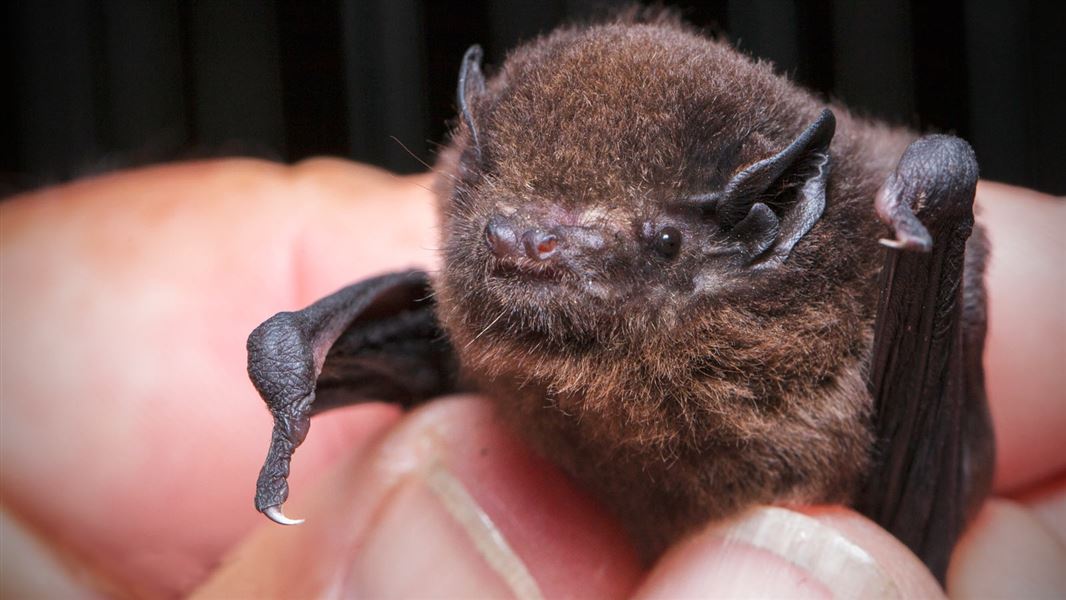
Bats are set to take centre stage in Waiuku next month as Finding Franklin Bats prepares to host the National Pekapeka Hui.
The native long-tailed bat, or Chalinolobus tuberculatus, is one of New Zealand’s rarest and most vulnerable creatures. It seems to have settled in the Manukau Lowlands, making it a key area for pekapeka (bat) research.
The National Pekapeka Hui will be held from March 25 to 27 at Rereteewhioi Marae in Waiuku.
This year’s hui aims to bring scientists, iwi, private landowners, community conservation
practitioners and government agencies together in one forum – not just to share research, but to share people, knowledge, stories, tools and partnerships.
From November through February, Auckland’s bat scene heats up. These little flyers roost by day in carefully chosen “holiday homes” – trees that warm nicely in the afternoon sun.
By dusk, they burst out like partygoers spilling from the bach, heading to streams to chow down on flying insects. It’s their version of late-night snacking after a siesta.
The Franklin Times joined a bat walk on a private property in Pukeoware in the
hopes of glimpsing some of our elusive pekapeka.
The walks, hosted by Finding Franklin Bats, have limited spaces to keep the groups small and are held during the peak bat-spotting season of November to February. We walked through native bush and saw the efforts of landowners to bring back habitats for our native creatures.
If you are serious about wanting to spot our native bats, then a bat detector is your best bet. We were lucky enough to spot several bats (or the same bat multiple times) on our walk, with a few seconds’ warning given by the clicks heard over the handheld bat detector. The bat’s flight movements looked very similar to the swallow’s as it hunted for food.
Auckland Council is working with Ngaati Te Ata Waiohua iwi, community groups, and
EcoQuest, to carry out a five-year bat survey and tracking programme in the Manukau Lowlands, an area stretching between Waiuku and Pukekohe.
Bats can be found in mature native forests, with roosts in tree cavities and dead trees.
Effective pest control is key to giving bats a real chance to relax, Auckland Council’s senior
conservation advisor Ben Paris says.
When we create safe habitats, plant native trees, and connect green corridors, he says we’re building bat-friendly highways and holiday homes.
“It’s like finally being able to sit at the park without worrying about seagulls harassing your
picnic spot, or an Airbnb for pekapeka, minus the cleaning fee.
“The more we control pests and provide better habitat, the safer bats feel to hang out where they belong,” Paris said.
- Registrations are now live at events.humanitix.com/national-pekpeka-hui-2026.