


|
Getting your Trinity Audio player ready...
|
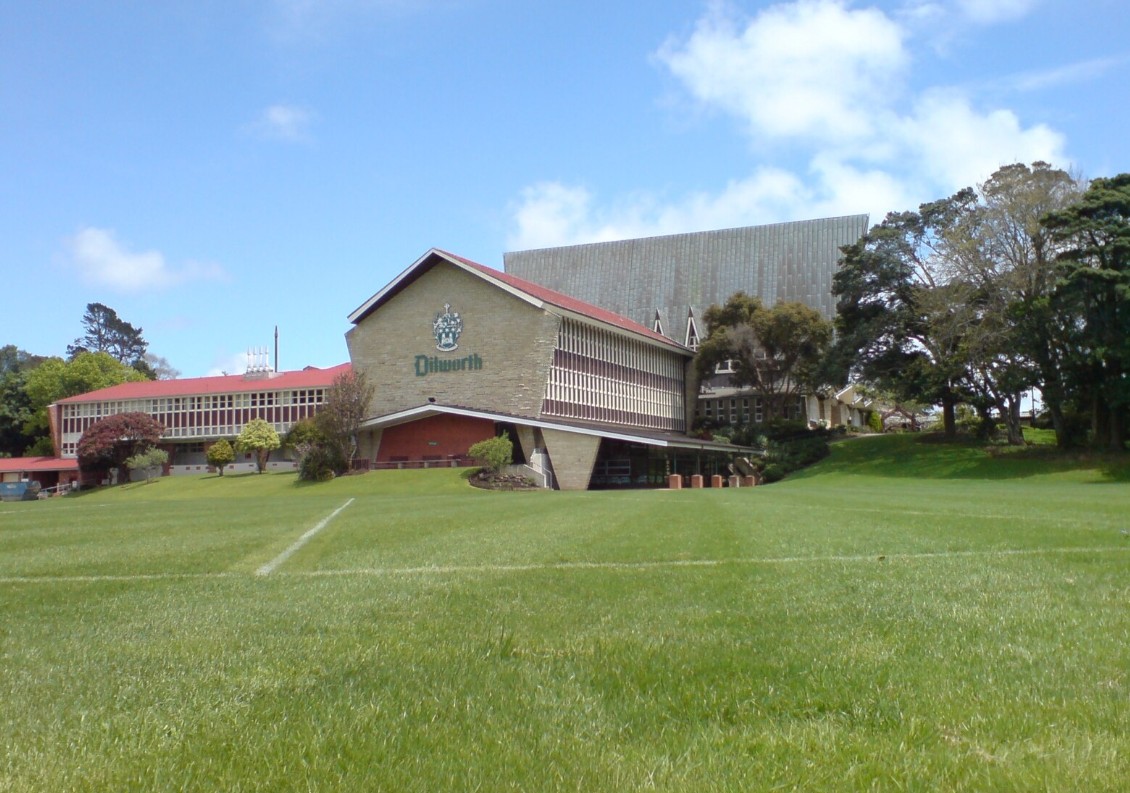
Police have laid additional charges as part of Operation Beverly, the ongoing investigation into alleged historical sexual offending at Auckland’s Dilworth School.
A 72-year-old man has been charged with three counts of indecency with a boy aged between 12 and 16, relating to further alleged offending identified during continuing enquiries. He is due to appear in the Auckland District Court on Wednesday, October 22.
Detective Senior Sergeant Mark Greaves, of Auckland City CIB, said police have now spoken with more than 150 former students identified as victims of abuse while at the school.
“I still encourage anyone with information who hasn’t yet spoken with the investigation team to get in touch,” Greaves said.
Information can be provided online at 105.police.govt.nz, by calling 105, or anonymously via Crime Stoppers on 0800 555 111.
Background
On 1 July 2022, the Dilworth Independent Inquiry was formally engaged to review the nature and extent of sexual and serious physical abuse of students from 1 January 1950 to 1 July 2023, to determine how and why it occurred, how the school responded to complaints, and whether current policies adequately protect students.
The Inquiry was chaired by Dame Silvia Cartwright, with Frances Joychild KC as Co-Inquirer. Its final report was released in September 2023.
The Inquiry found that at least 175 former students were sexually abused and more than 130 experienced serious physical abuse. It described a harsh and isolating environment in which bullying and excessive corporal punishment were common, and where students often felt unable to report mistreatment.
It criticised decades of governance failures, finding that some senior staff and board members prioritised the school’s reputation and financial interests over student safety.
Complaints were often ignored or mishandled, and opportunities to protect children from known offenders were missed. Investigators called for sweeping reforms to Dilworth’s governance, oversight, and safeguarding systems to prevent such abuse from recurring.
Shortly after the Inquiry began, the Dilworth Trust Board launched the Dilworth Redress Programme on 29 August 2022 to support survivors of abuse.
The programme is administered independently of Dilworth and overseen by a three-member panel: Dame Judith Potter (Chair), Professor Ian Lambie, and Rukumoana Schaafhausen.
It provides access to financial redress, funded counselling and therapy, formal apologies, and other personalised measures.
According to the terms of the Redress Programme, the maximum amount of financial redress available to any survivor is $200,000, although in exceptional cases, where the panel determines circumstances are significantly beyond other instances, awards may be increased up to a maximum of $300,000.
Families of former students who were abused and have since died may also apply for redress.
The Dilworth Trust Board has stated it is committed to fully confronting the issue of historical abuse “openly and honestly.”
The Board has “unreservedly apologised” to former students who suffered abuse while at the school and acknowledged that its past procedures for handling allegations were inadequate.
The release of Dilworth’s independent report came ahead of the Royal Commission of Inquiry into Abuse in Care’s final report, published in July 2024.
That national inquiry examined abuse across state-and faith-based institutions between 1950 and 1999, making 138 recommendations to improve redress and prevent future harm across New Zealand’s care systems.
Ongoing safeguarding
Dilworth School says it has a zero tolerance for abuse of any kind.
“In recent years we have undertaken measures to ensure safeguarding and wellbeing at Dilworth are in line with current and world-leading best practice. We take a whole-community approach to safety, with a focus on providing our students with a voice in decision making,” the school said.
In September 2025, Dilworth School successfully achieved reaccreditation through the Australian Childhood Foundation’s (ACF) Safeguarding Children Programme. The ACF congratulated Dilworth for complying with all seven standards of its accreditation requirements.
This followed a comprehensive accreditation audit which concluded that Dilworth’s safeguarding culture is “highly mature,” with robust systems, policies and procedures embedded throughout the organisation. Auditors noted that protecting children’s safety and supporting their wellbeing is considered the “highest priority” and “second nature” among personnel.
Dilworth school has been approached for comment.