


|
Getting your Trinity Audio player ready...
|
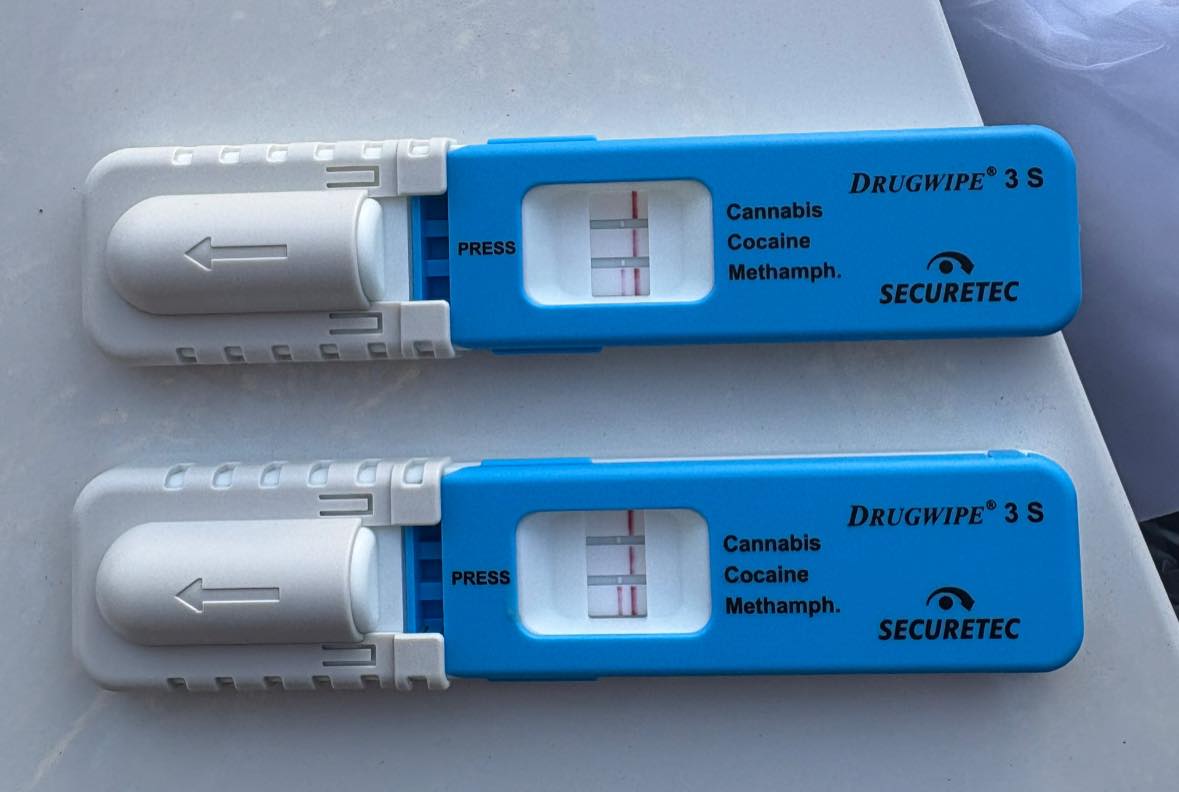
Police have selected a new oral-fluid drug-testing device that will be used to screen drivers at the roadside as New Zealand prepares to scale up drug-impairment testing nationwide from April 2026, with full coverage expected by mid-2026.
The Securetec DrugWipe 3 S device, supplied by Australian firm Pathtech was confirmed today, November 14, following extensive officer trials and independent forensic accuracy testing.
Police will first deploy the new device in the Wellington District from mid-December 2025 before rolling it out across the country.
Superintendent Steve Greally, Director of Road Policing, says frontline officers are ready for the shift.
“Officers are looking forward to starting roadside drug driving testing in an effort to detect and deter drivers who get behind the wheel impaired by drugs and ultimately risk their own lives and others on our roads,” Greally said.
He confirmed the rollout will expand rapidly after the Wellington launch.
“After next month’s launch in Wellington, roadside drug testing will scale up from April 2026 to operate nationwide by mid-2026.”
Pathtech will also supply saliva-collection kits for laboratory analysis, drawing on its experience supporting Police jurisdictions throughout Australia.
What the new roadside drug testing will look like
Police will be able to stop any vehicle at any time to screen drivers for drugs using the new device.
The first test is a quick tongue swipe that takes only a few minutes. The device screens for four key impairing drugs:
• THC (cannabis)
• methamphetamine
• MDMA (ecstasy)
• cocaine
If the first test is positive, officers will take a saliva sample for laboratory confirmation. The laboratory can test for up to 25 impairing substances listed in the Act.
A second roadside screening test will then be carried out. A second positive result will see the driver immediately prohibited from driving for 12 hours to address any immediate road-safety risk.
An infringement notice will follow any positive laboratory result. Drivers who refuse or fail to comply with a roadside drug test will also face an infringement notice.
Most drivers who test negative will be on their way within five minutes.
Ministers say drug-impaired driving is a growing threat
Transport Minister Chris Bishop and Police Minister Mark Mitchell confirmed earlier this week that the new oral-fluid regime is a response to rising drug-related harm on New Zealand roads.
Bishop said around 30 percent of all road deaths now involve an impairing drug, calling drug-impaired drivers “a menace on New Zealand roads”.
Mitchell said the ability to conduct on-the-spot screening will significantly strengthen Police enforcement and help reduce fatal and serious crashes.
Police say information for drivers will be released over the next month as preparations continue.
Greally says Police are working with multiple agencies to finalise systems and ensure the rollout is successful.
“This is a crucial change that will aim to save lives on our roads.”