

|
Getting your Trinity Audio player ready...
|
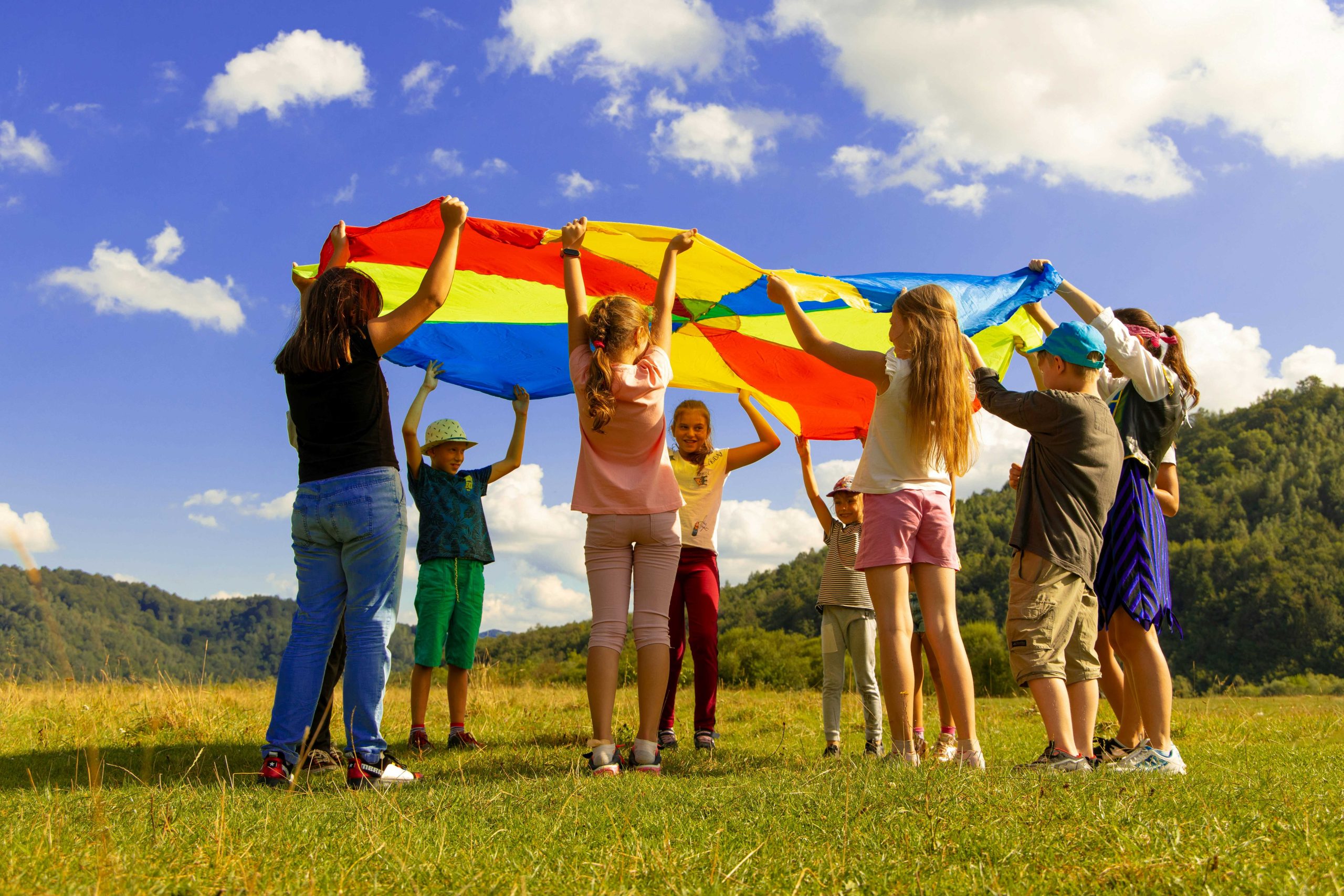
Today, November 20, is World Children’s Day, with this year’s theme “my day, my rights.”
It marks the anniversary of the UN General Assembly’s adoption of the Convention on the
Rights of the Child in 1989 and the Declaration of the Rights of the Child in 1959.
Its purpose is to advocate for and raise awareness of children’s rights and to promote a better world for them worldwide. UNICEF calls it a “Global Day of Action for Children, by
Children.”
The theme of “my day, my rights” centres on giving children a platform to voice their
opinions regarding their rights, their lack of rights, how they live, how they want to live, and global issues affecting them. It encourages them to speak, and for adults to see the essential problems from their perspective.
Last year, a panel of UNICEF Aotearoa Young Ambassadors addressed over 80 people from
youth delegates, children, and advocacy groups on issues ranging from health care to
education and mental health.
Teresa Tepania-Ashton, Director of Advocacy at UNICEF Aotearoa, says the forum enables
young people to engage directly with MPs in decision-making roles and ask questions.
young people to engage directly with MPs in decision-making roles and ask questions.
Marking World Children’s Day in 2024, she said: “Young people are change-makers when it comes to child rights, including the right to equality and non-discrimination.
“The knowledge in their perspectives is powerful and must inform decision-makers in
Parliament.”
Listening to children helps to build confidence and self-esteem because when they feel heard, their confidence grows.
It encourages them to mentally sift through all the information being thrown their way and to think critically about what they are being told.
It helps them nurture creativity because when they are heard and allowed to express their
ideas, they naturally think creatively about solutions to problems.
“We can all amplify and empower the voices and actions of children and young people. We
can elevate their voices on issues that are important to them and increase awareness of the importance of children’s rights,” said Tepania-Ashton.