

|
Getting your Trinity Audio player ready...
|
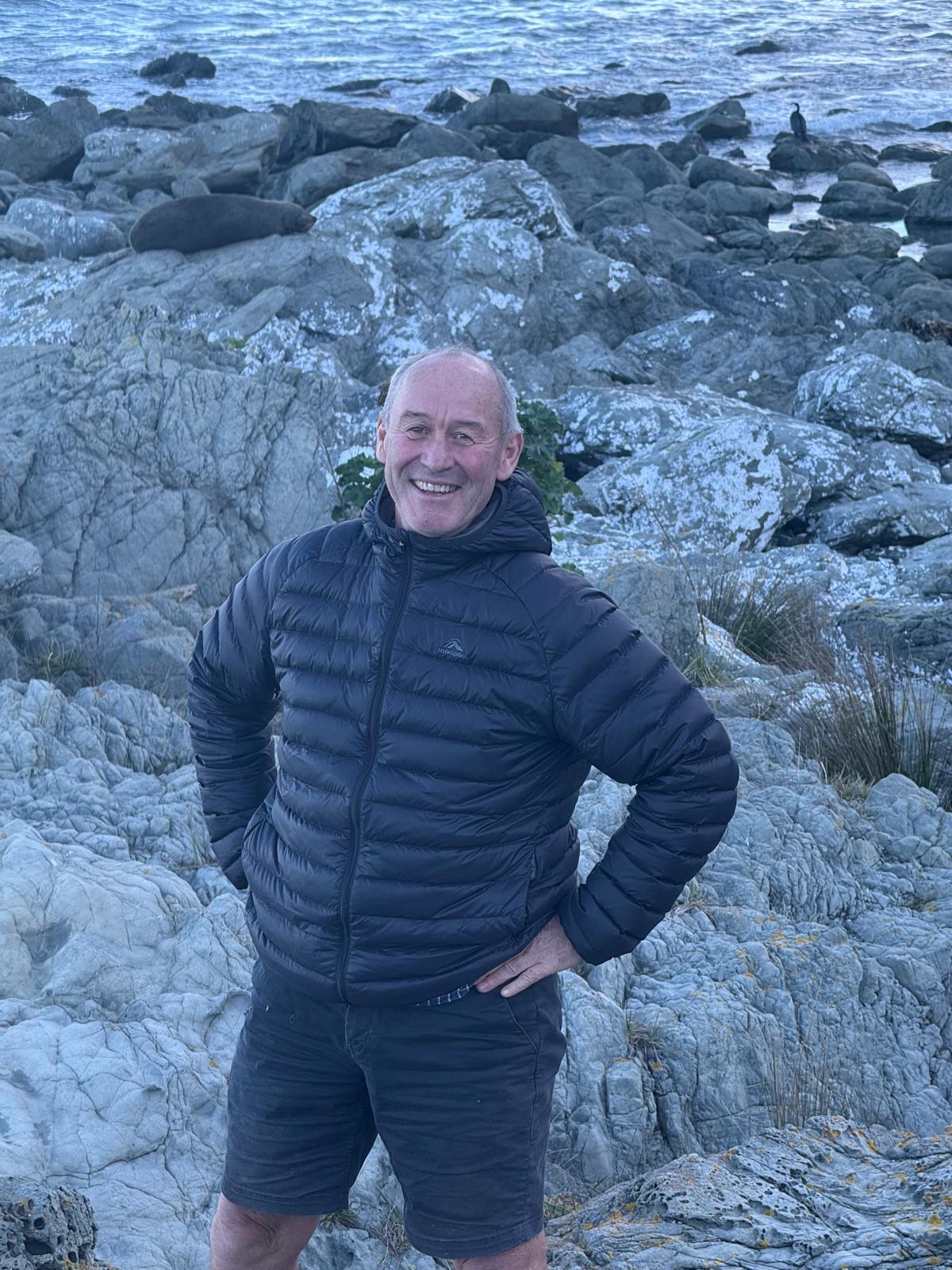
The family of Graham Garnett say they are overwhelmed with gratitude after he was found alive following nearly three weeks lost deep inside Kahurangi National Park, and are urging others to take proper safety precautions before heading into the back country.
Disoriented by heavy cloud and worsening weather, one wrong turn was all it took to send Garnett far off track, sparking an extensive Police-led search operation.
“He’s extremely lucky to be alive,” said Sergeant Jonny Evans, officer in charge of the Police Search and Rescue operation.
“Graham had been on the move much of the time, and had sustained injuries along the way.”
Evans said Garnett made repeated attempts to self-rescue, navigating difficult terrain by following natural features.
“He had tried to get himself out numerous ways, by following streams and ridges and finally finding the Karamea River, which he recognised, and which led him back to Venus Hut.”
As part of the extensive search, Police and Land Search and Rescue New Zealand teams checked huts throughout the area early in the operation, including Venus Hut. Garnett, however, only arrived there a day or two before he was discovered by contractors.
“Even following suspension of the search, Police and Land Search and Rescue continued to support the family in their efforts to bring Graham home,” Evans said.
Garnett remains in hospital, surrounded by loved ones. His family has requested privacy as he continues to recover.
Safety message for the back country
Police and Garnett’s family are now using his ordeal as a reminder for anyone heading into the bush or back country to go prepared.
“New Zealand has spectacular back-country areas and a great outdoors culture,” Evans said. “However, being stranded in the bush for days or weeks on end can be incredibly harsh and, in many cases, isn’t survivable.
“We want anyone heading out to take the appropriate precautions and come home safely.”
Police recommend that anyone entering the back country:
- Carry a Personal Locator Beacon (PLB), along with a paper map and a handheld GPS with spare batteries
- Avoid relying on cellphones as a primary communication tool due to limited coverage and battery life; satellite devices should be considered
- Always sign hut books when passing through or staying in huts
- Plan trips carefully and ensure friends or family know your intended route and return time
- If lost or injured, stay put and make yourself visible using fire, bright clothing, whistles or mirrors, where safe to do so
More information is available via the New Zealand Mountain Safety Council.
Statement from the Garnett family
In a statement, the family of Graham Garnett thanked those involved in the search and rescue effort.
“We have been overwhelmed by the support given to us as we searched for Graham.
“We want to acknowledge the time and effort put in by the New Zealand Police and Land Search and Rescue, including searchers on the ground, in the rivers and in the air.
“We are also deeply thankful to those who joined two private searches. Your professionalism, compassion and expertise were exemplary.
“To those who helped us in the field by providing radios, freeze-dried meals and specialist searching skills and equipment, we are truly grateful. We also thank friends and family who gave love and support in many different ways.
“Last but not least, we are in awe of Graham, his incredible self-reliance, resilience and perseverance. Words cannot express how overjoyed we are to have him back, and we acknowledge Kahurangi National Park as a place of rugged beauty.”