


|
Getting your Trinity Audio player ready...
|
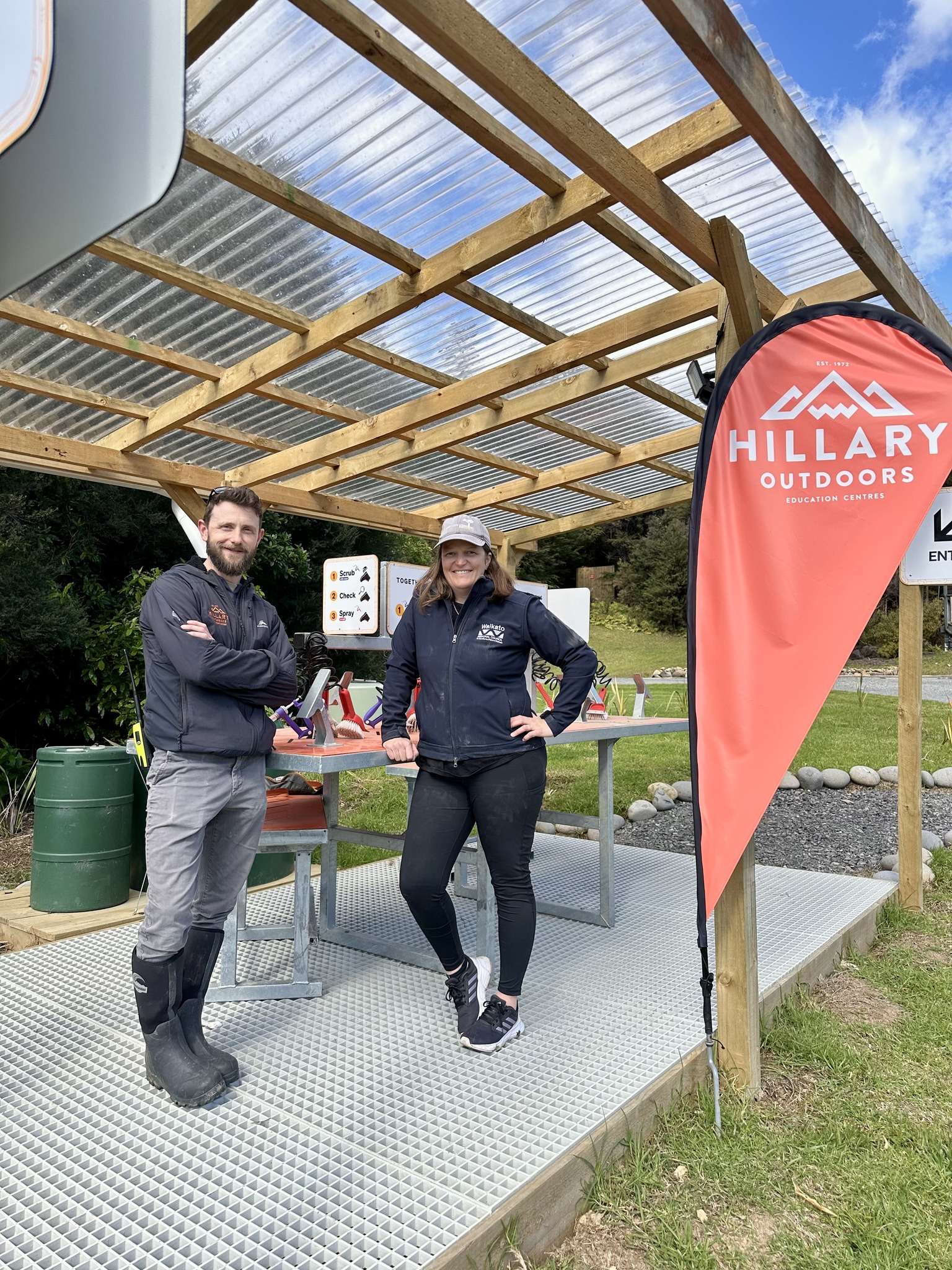
A new marine and conservation outdoors centre in the Coromandel has state-of-the-art kauri biosecurity protocols and education.
The Hillary Outdoors Centre at Port Charles in northern Coromandel was set up in late 2024, with the first group of visitors welcomed in December 2024 for a pilot programme.
Visitors are surrounded by 340 hectares of regenerating native bush, including kauri, which is rich with roaming kiwis and other native bird life due to ongoing predator control.
Already about 1000 young people have come through the centre and hygiene stations, along with parents, teachers, instructors, and contractors.
The majority of young people are high school students aged between 13-17, with other groups, such as youth organisations, making up the remainder.
Coromandel centre manager Hayden Devine said each cohort spends five days at the residential centre, learning through a variety of environmental challenges. Students are immersed in hands-on learning experiences covering various marine and land-based activities and conservation efforts.
“The centre aims to create meaningful outdoor, adventurous experiences for rangatahi (young people), where they can explore the marine and bush environments while also engaging with conservation,” Devine said.
Waikato Regional Council provided advice and expertise on the centre’s biosecurity protocols, which are essential to protecting kauri in the surrounding forest.
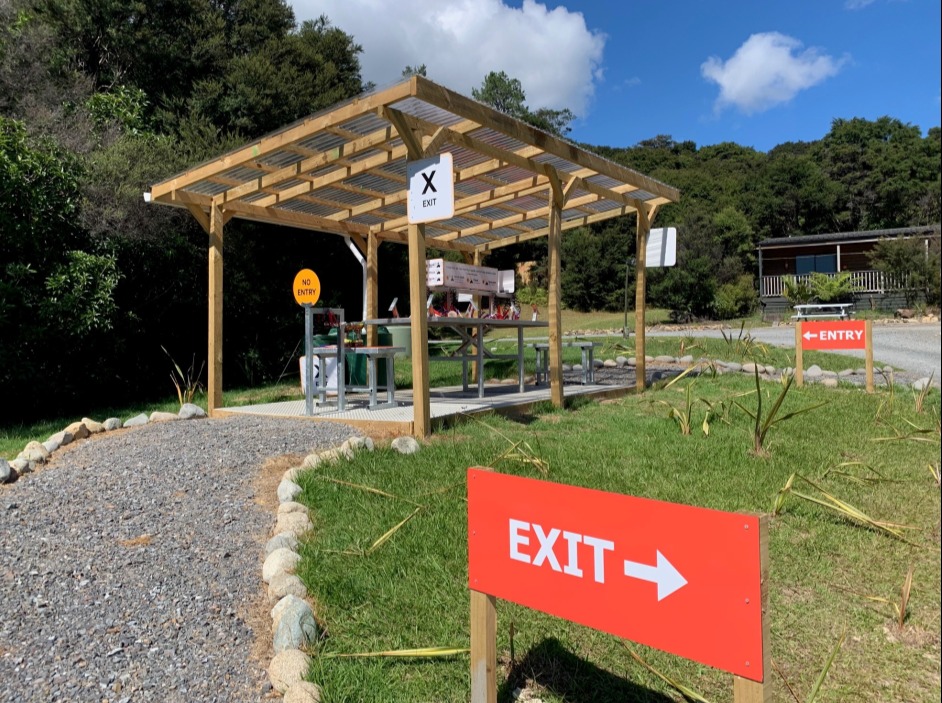
This includes two hygiene stations, designed specifically to meet the needs of the centre. The main station is at the entrance to the centre, while another smaller station is in the centre compound.
“Visitors arrive at the centre, and the first thing they do is clean and inspect all of their footwear and equipment at the hygiene station,” Waikato Regional Council biosecurity pathogens and projects unit lead Amy Lendrum said.
“Hygiene stations are typically designed with individual hikers or small groups in mind, who only need to clean the shoes they are wearing. The centre, however, needed a hygiene station that could cater for large groups of children who need to clean multiple pairs of shoes all at the same time.
“It’s important that we promote best practice in biosecurity practices because this helps to protect kauri. Contaminated footwear can spread kauri disease, which, as the name suggests, is devastating for our native kauri,” Lendrum said.