


|
Getting your Trinity Audio player ready...
|
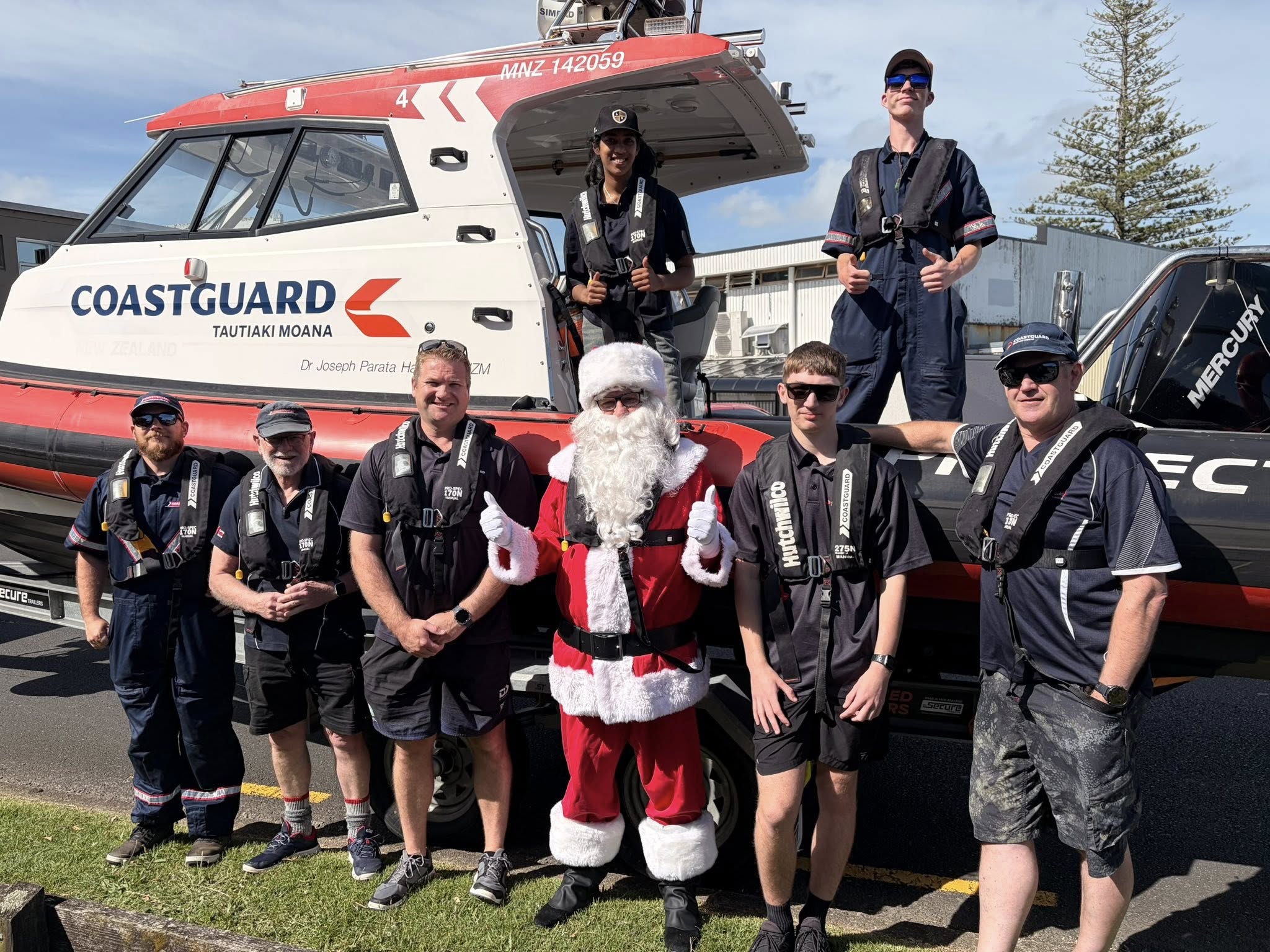
With Kiwis in and on the water this summer, Helena O’Neill talks with long-time Coastguard Papakura skipper and volunteer Rod Frost.
How long have you been with Coastguard Papakura, and why did you join?
I’ve been with Coastguard for 21 years. I’ve always had a love for boating and with Coastguard I can combine that with helping people in trouble. I can do something for the community while being self-employed and able to respond most of the time.
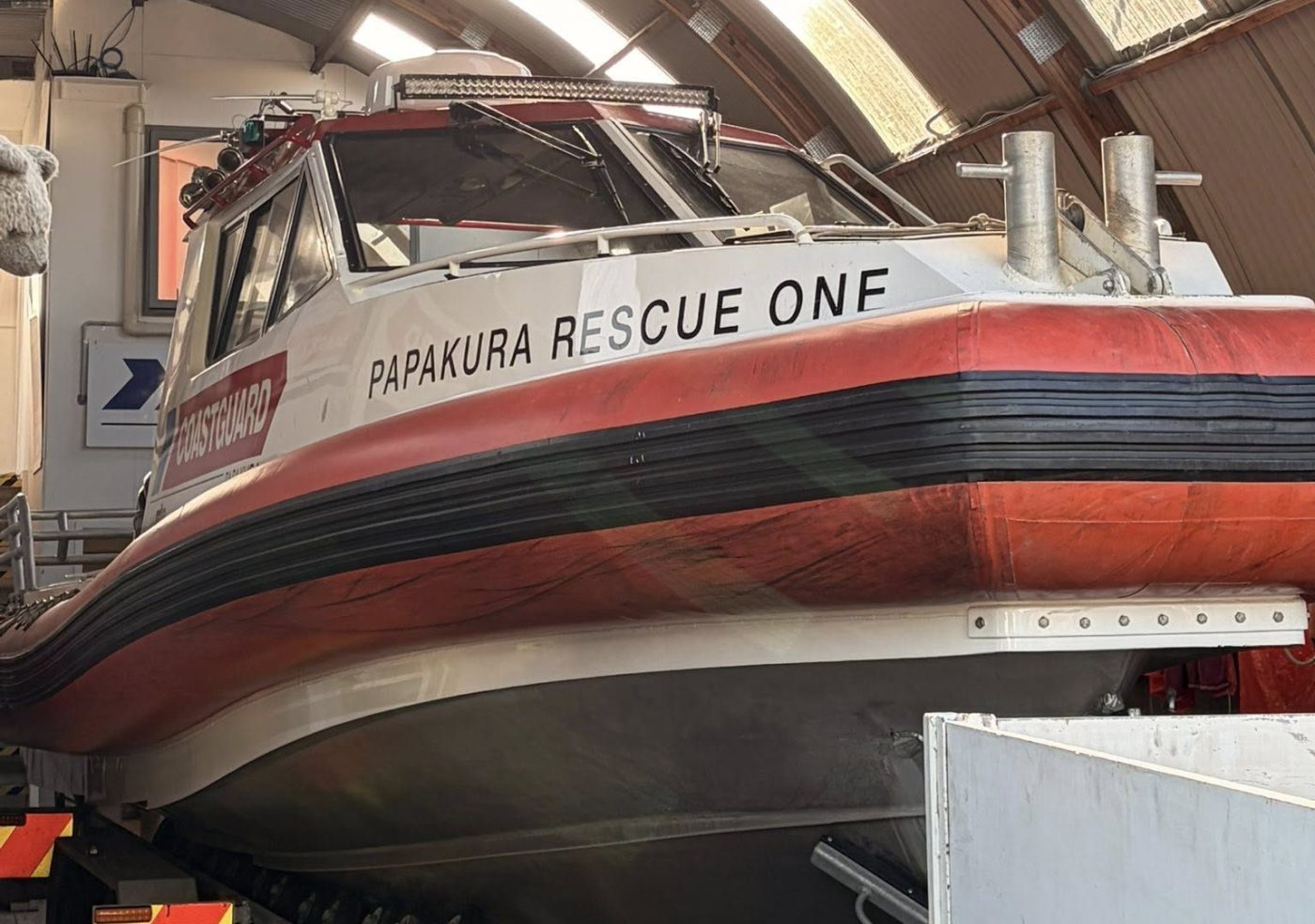
What are some of the common callouts you attend?
Breakdowns are the most common, but we are seeing a rise in kayak callouts. The last major search we did a couple of weeks ago was for a potential missing person in a kayak. Particularly on the Manukau, it can get pretty choppy, pretty quick.
There have also been a few people washing off the rocks lately as well.
Do you think people underestimate the weather and the conditions?
A lot of it is people underestimating the current. The Manukau Harbour has really challenging currents. It makes everything dangerous in that sense of if you are fishing and someone falls overboard, they can’t swim back to their boat in the water, and they get dragged away or get into that current.
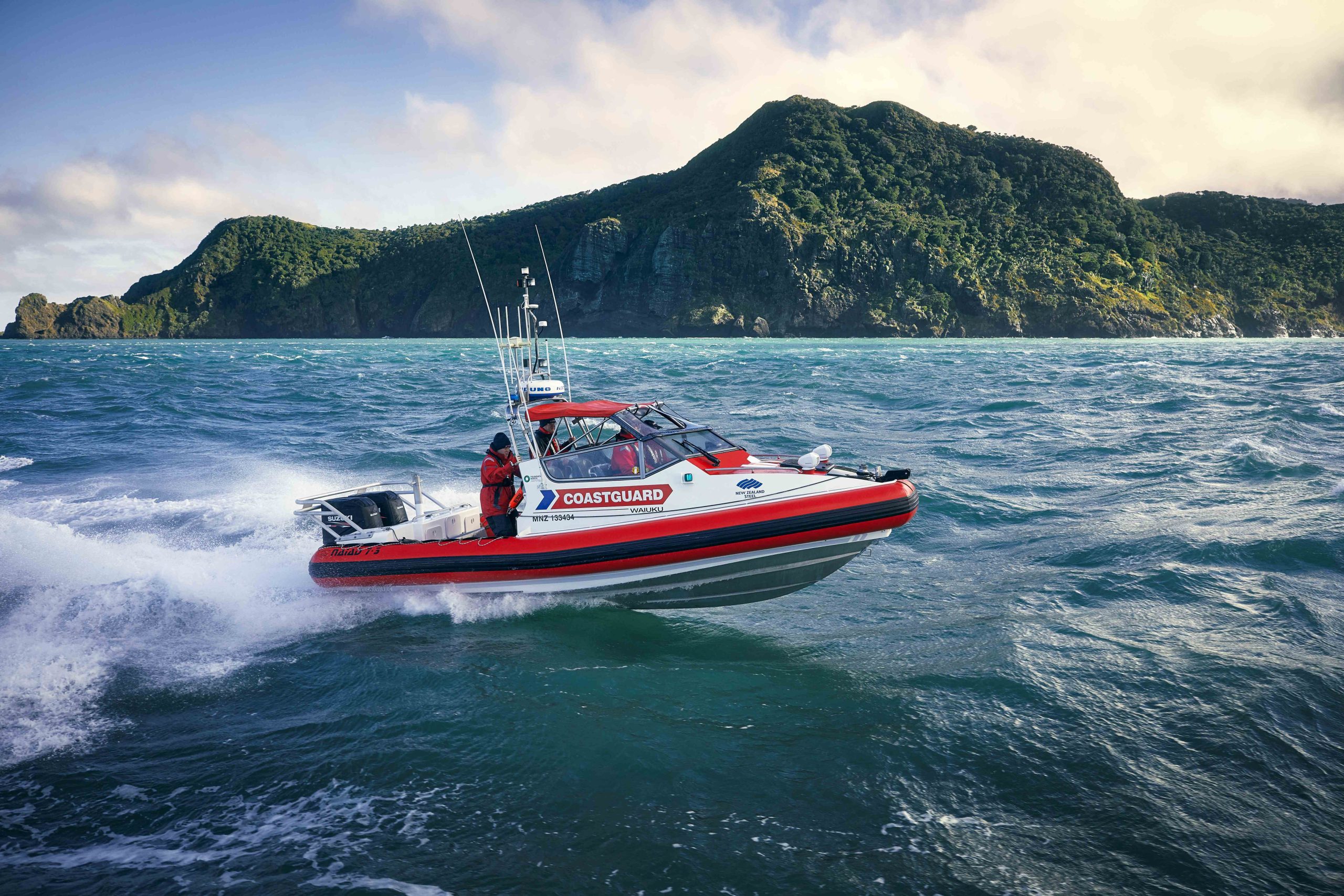
How can these be prevented?
It’s the same old message: life jackets. If you’ve got a life jacket on, then it gives us time to come and help you. Then even in winter, there’s enough time to get someone before they get hypothermia.
Life jackets are definitely number one and then make sure that people know where you’re in trouble. We can’t come and help you if we don’t know you’re there and need help.
Seek local knowledge and be familiar with the environment that you’re fishing in and being
aware of what’s going around you. The Manukau is a great harbour but it can change really
quickly.
Education is a big one. Do boat safety courses, get local knowledge, understand the environment where you’re fishing, what can actually happen, and the effects of wind and tides.
What do you think about the growing number of bar cameras available? How are these helpful, and would you like to see more of these cameras?
Yeah, they’re definitely helpful in being able to see what the bar is doing, albeit they’re quite distant. But as you get more familiar with it, you look at the camera, and then you go out, and you think well; it looked like that and now on the water, it’s actually like this. Build up your observations, then that will help you to better use them.
It’s early days so it’s hard to tell whether they will result in fewer incidents or not.
What is your favourite memory or experience out on the water?
When it comes to Coastguard there’s nothing better than reuniting families. You might get called to a breakdown; we get those a lot in South Auckland, you get back to the ramp, and the families are there waiting. You actually have an opportunity to bring someone home and put a family back together. I’ve been on the other end of bringing in an empty boat as well, which is not cool.
Personally, anytime I get a nice fish or have a good day out with family, that’s always going to be a good day out on the water.
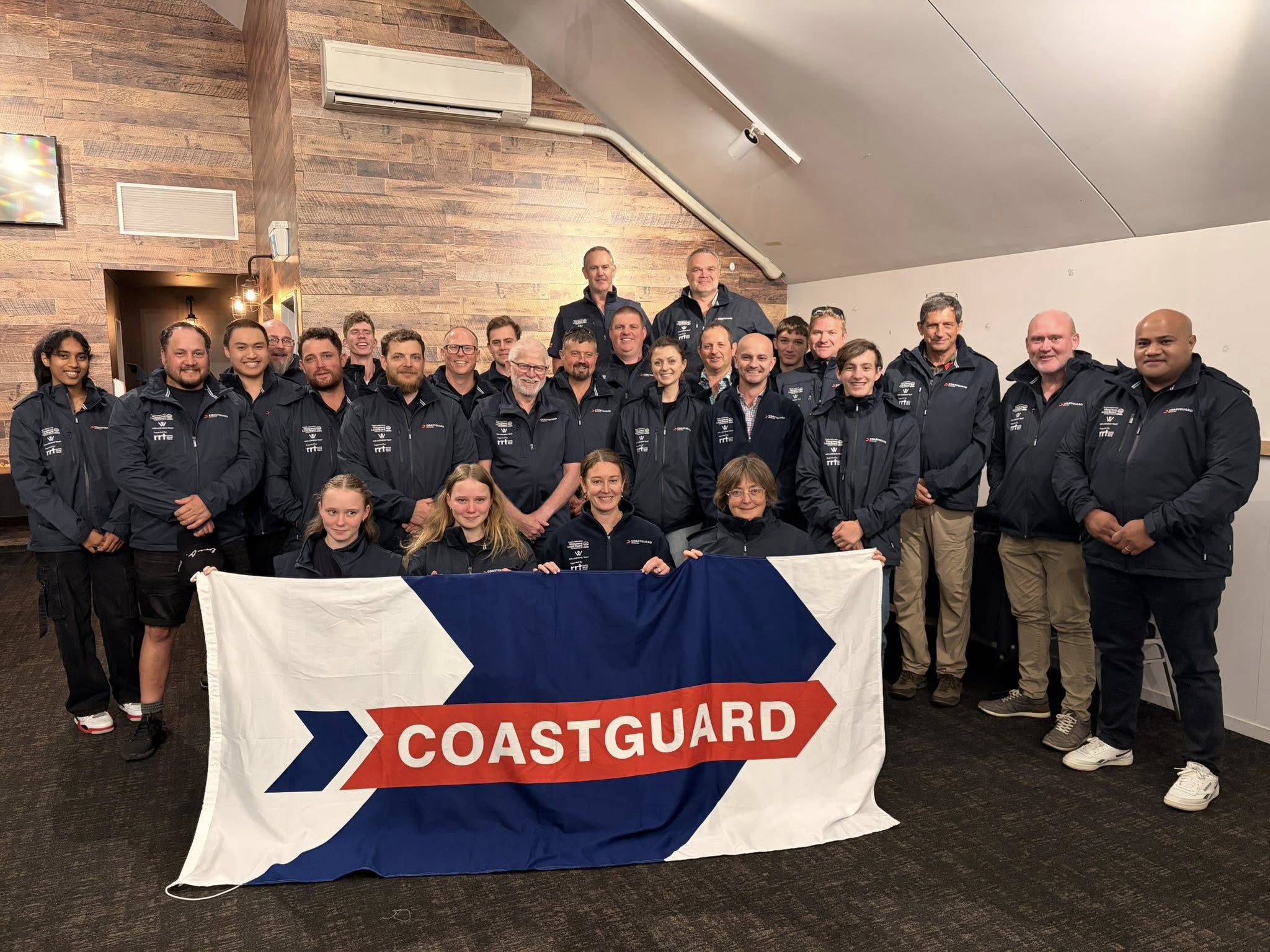
Franklin Coastguard
Coastguard Papakura – Summer 24/25
- Responded to 14 incidents.
- Brought 37 people home safely.
- 1,001 volunteer hours.
- 28 volunteers.
Coastguard Waiuku – Summer 24/25
- Responded to 12 incidents.
- Brought 33 people home safely.
- 401 volunteer hours.
- 24 volunteers.
Crossing a bar?
Crossing a bar can be dangerous in some circumstances.
If your launching point requires a lengthy transit to the bar, Coastguard encourages you to log a trip report by VHF or through the Coastguard App and follow that up with a VHF bar crossing report before you cross.
Bar crossing reports can’t be made through the app but can be logged by VHF Radio or by
calling *500 from your mobile phone. Coastguard will actively monitor your passage and will promptly follow it up in the event that you don’t close it.
You can find more boating safety tips here.