


|
Getting your Trinity Audio player ready...
|
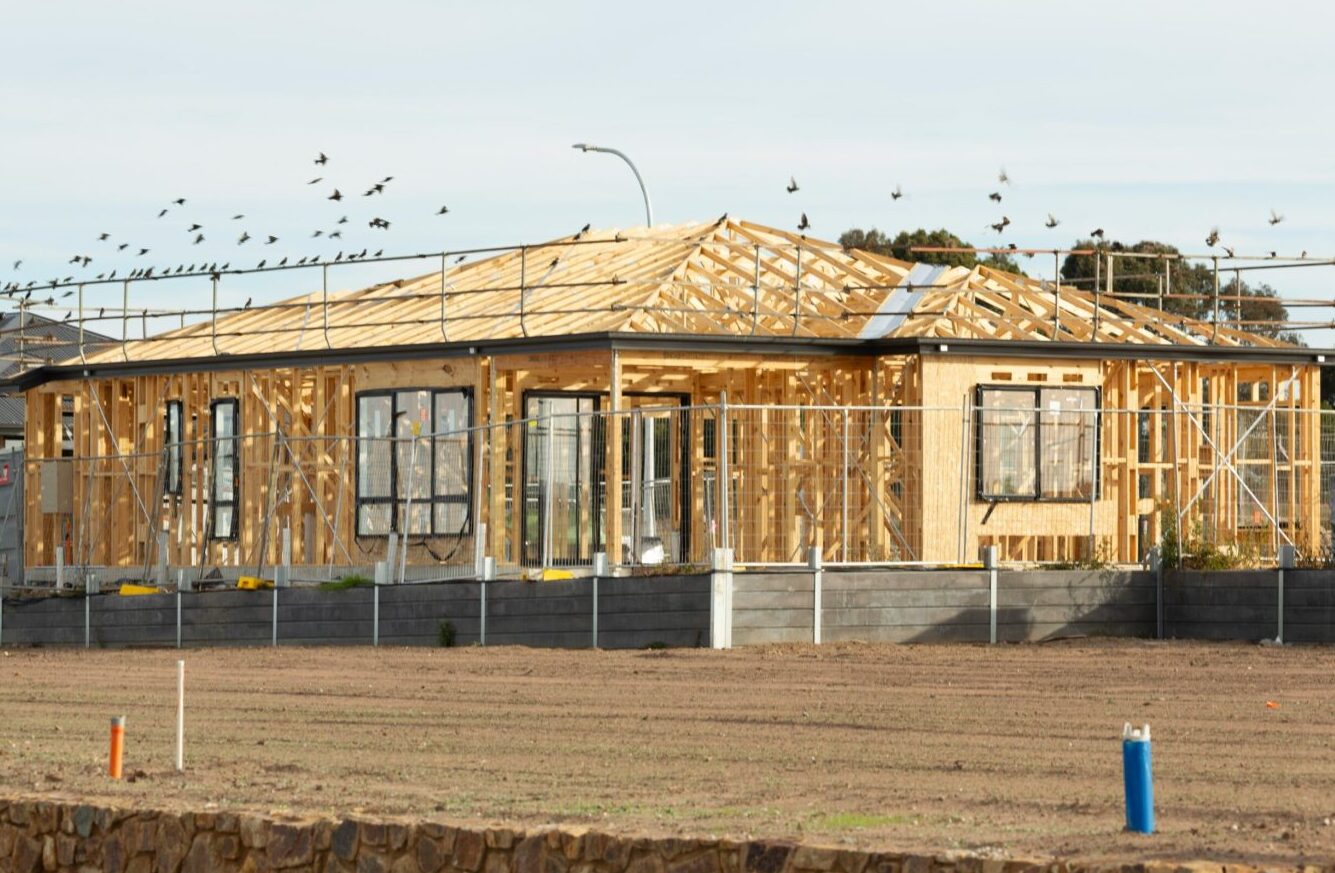
Residential construction costs rose slightly 0.6 per cent in the June 2025 quarter, according to Cotality’s latest Cordell Construction Cost Index (CCCI).
That’s up from a 0.3 per cent increase in the first quarter of the calendar year.
Despite the uptick, cost growth remains below the long-term average of 1.0 per cent a quarter, says Cotality.
Annual construction cost growth reached 2.7 per cent, the fastest pace since quarter three of 2023.
However, the “modest acceleration” largely reflects the removal of a sharp 1.1 per cent drop in quarter two of 2024 from the annual comparison, rather than a resurgence in price pressures.
Cotality chief property economist Kelvin Davidson says that while the quarterly lift is worth noting, cost inflation across the residential building sector remains relatively subdued.
“Although the annual growth rate has nudged higher, it’s important to recognise this is more about base effects than any significant reacceleration.
“At 2.7 per cent, annual cost growth is still well below the long-term average of 4.2 per cent, and a far cry from the Covid-era peak of 10.4 per cent in late 2022.
“Overall, construction cost pressures remain contained.”
Davidson notes that reduced workloads across the sector over the past two to three years have created a degree of spare capacity, helping to ease cost pressures.
“New dwelling consents have dropped from more than 51,000 in the year to May 2022 to fewer than 34,000 now,” he says.
“That decline has taken the heat off both wages – which account for around 40 per cent of the CCCI – and material costs, which represent roughly 50 per cent.”
The June quarter revealed a varied picture across individual product lines, Davidson explains.
Weatherboard cladding saw a 6 per cent increase, while prices for decking timber and ceiling batts fell 1 per cent.
“Cost movements are now being driven by specific supply and demand dynamics rather than broad-based inflation,” Davidson says.
“We’re seeing more nuanced and patchy shifts that reflect a normalising market.”
While the pace of growth has slowed, Davidson warns that overall build costs remain elevated.
“Households can be more confident costs won’t run away during a project, but the total cost to build remains a hurdle.
“With ample existing stock on the market, builders may still face challenges attracting new projects in the short term.”
Looking ahead, Davidson says several factors could support a gradual lift in construction activity.
“Population growth is still positive, mortgage rates have eased, and regulatory settings around loan-to-value and debt-to-income ratios continue to favour new builds.
“As the broader economy recovers, the construction sector should follow.
“Cost growth may well have bottomed out, with some renewed upward pressure possible in 2026,” Davidson says.
“But a return to the double-digit growth rates of 2022 seems unlikely.”