


|
Getting your Trinity Audio player ready...
|
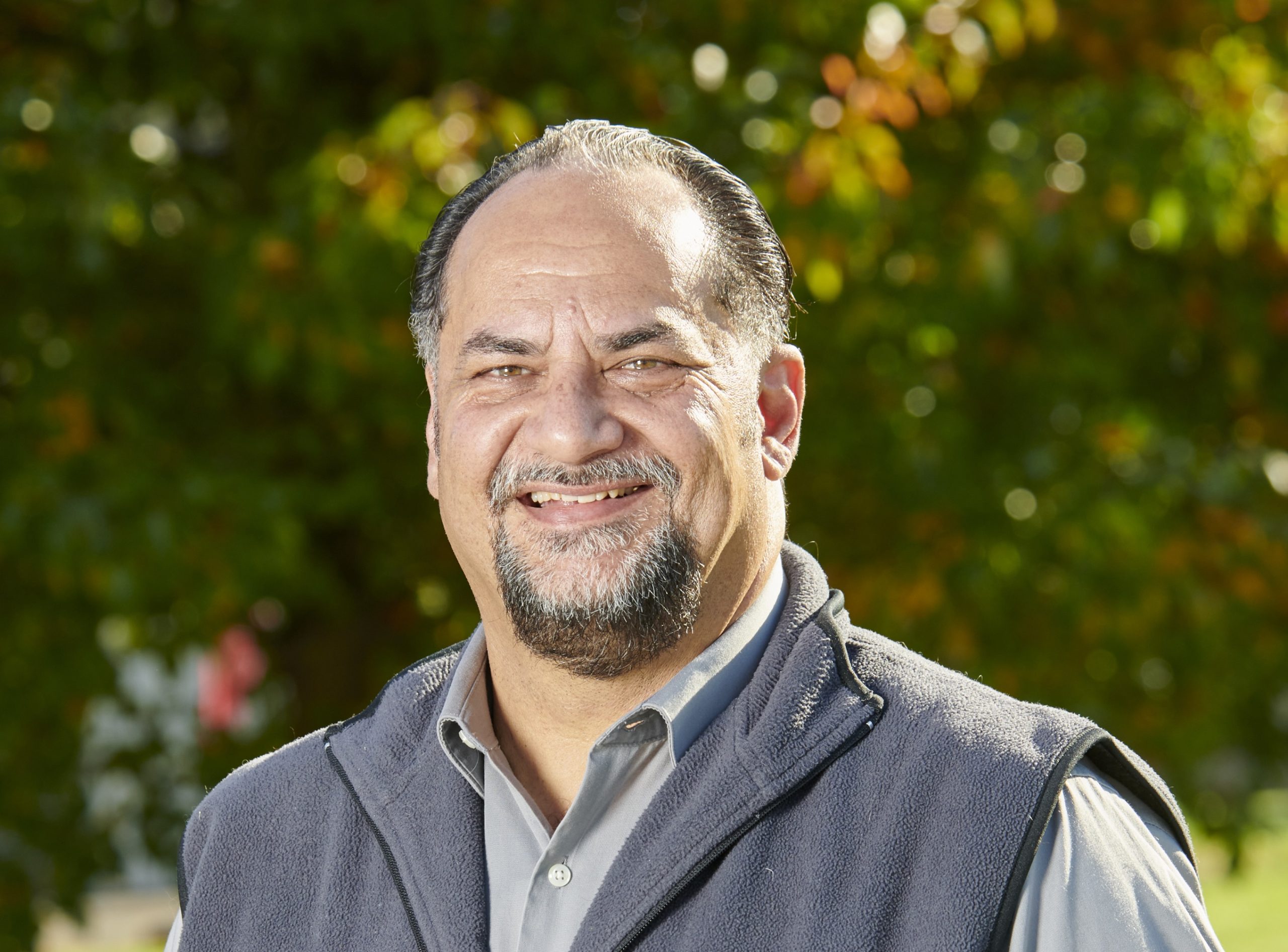
Three Waikato councils are calling on Fire and Emergency New Zealand (FENZ) to urgently reinstate the Huntly and Ngāruawāhia brigades’ powered watercraft and swift-water rescue capability on the Waikato River, warning the stand-down is leaving communities exposed at the start of summer.
Waikato District, Hamilton City and Waipā District councils have sent a joint letter to FENZ outlining their concerns, saying the decision was made without a workable alternative in place and without genuine collaboration with the two brigades that have carried out safe and effective rescues for many years.
Waikato District Mayor Aksel Bech said the timing of the stand-down was especially worrying.
“Summer is here and school is out. A preventable drowning whilst local brigades are ordered by FENZ to stand down is a very real possibility. We are being clear that this risk now sits with FENZ, not with our local volunteers who have the training, the equipment and a proven track record of safe rescues.”
The mayors say FENZ has not provided clarity about who will respond to time-critical water emergencies on the awa. They note that Police are generally equipped for recovery rather than rapid rescue, and that Coastguard, Surf Lifesaving and the Harbourmaster are not able or mandated to respond in these inland river conditions.
Bech said the councils are advocating not only for community safety but for the volunteers who have long provided river rescue capability.
“Our communities have invested heavily in keeping people safe on the awa, including raising more than forty thousand dollars for rescue equipment. It is not acceptable for FENZ to withdraw capability without an alternative that can meet local conditions and response times.”
The councils want FENZ to return to the table and work with local brigades and iwi to develop a flexible national framework that supports safe and timely water rescues on the Waikato River. They are also calling for an interim arrangement allowing Huntly and Ngāruawāhia brigades to resume responding under agreed safety parameters while a longer-term solution is developed.
“We are ready to work with FENZ. Our expectation is simple: local risks require local capability. We need FENZ to reconsider its position before lives are put at risk unnecessarily,” Bech said.