


|
Getting your Trinity Audio player ready...
|
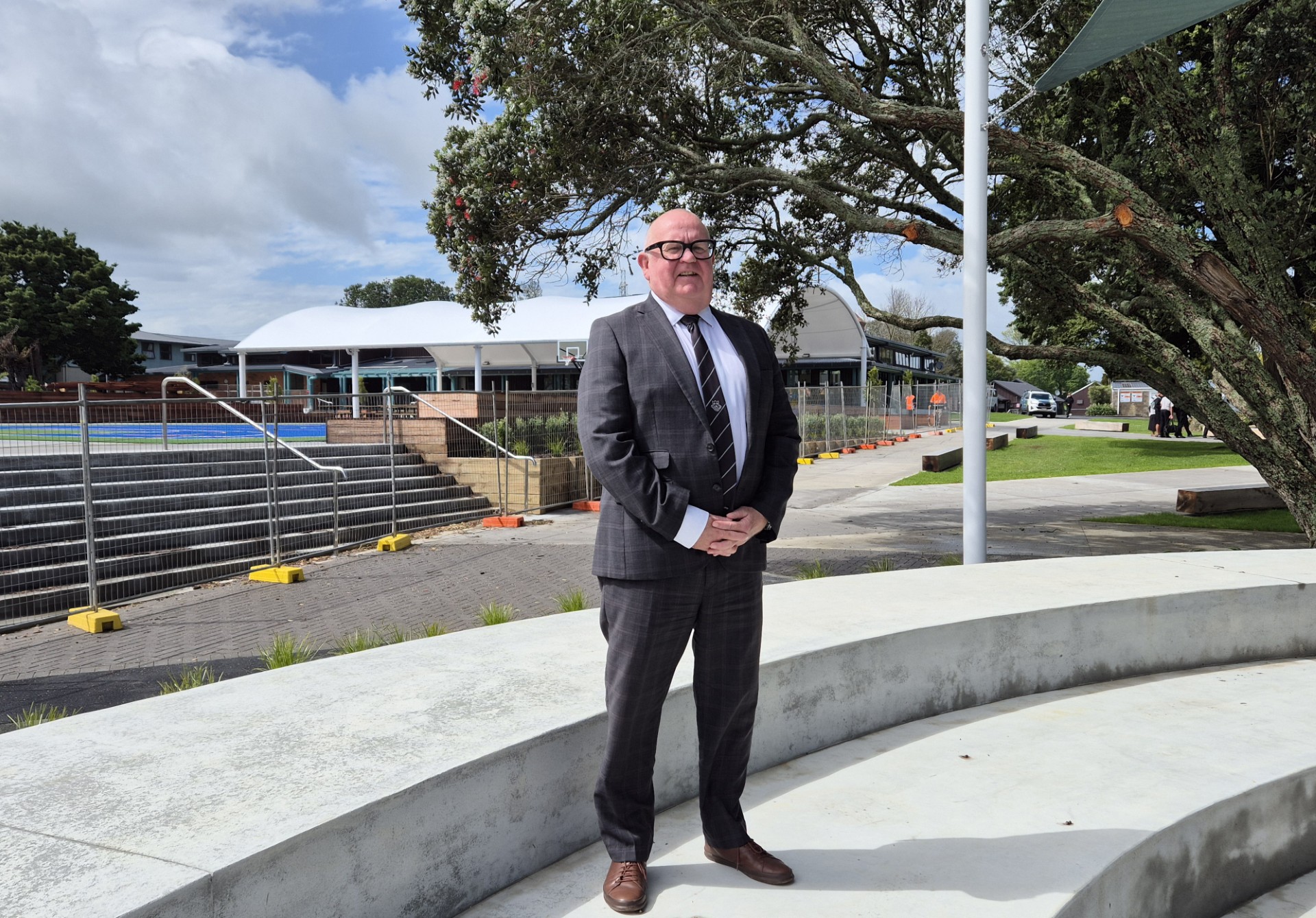
Wesley College Principal Brian Evans says the South Auckland school is being unfairly portrayed in some reports that describe it as “embattled.”
Evans says the label does not reflect the school’s reality or the hard work undertaken by its community to evolve and improve.
“That term is unfair and doesn’t reflect who we are today. Our community has worked incredibly hard over recent years to evolve and improve every part of the school -academically, pastorally, and culturally,” he told the Franklin Times.
It comes after the Wesley College Trust Board announced on October 20 that all five of the school’s student hostels will close at the end of Term 4 2025.
Chairperson Jan Tasker said that while progress had been made in improving safeguarding and culture, deeper structural change was needed. The decision affects about 160 boarders, almost half of the school’s roll.
During the closure period, the board plans a full review of hostel culture, staffing, and student care, alongside upgrades to facilities and security.
Principal Brian Evans said renovations are set to begin early next year to bring two hostels up to a “state-of-the-art standard.”
Dedicated bus services and homestay options will support students who previously boarded, and the hostels will reopen only once the highest standards of safety, care, and wellbeing can be guaranteed.
“While there’s always more to do, our focus is firmly on enabling every student to succeed in a safe, caring, and well-supported environment,” Evans says.
ERO-mentored change
Following improvement goals drawn from ERO’s previous evaluation work, Evans says the school’s culture is now “warm, caring and full of life”, with students reporting high levels of happiness and safety.
Wesley’s recent Term 3 hostel report found that out of 89 students surveyed, 75 per cent agreed or strongly agreed they felt supported in maintaining their mental and emotional wellbeing.
“I’m immensely proud of the way our students have embraced the positive cultural change at Wesley,” Evans says.
“After the Covid years, our academic results have risen sharply back to pre-pandemic levels.
“We take pride in seeing that success linked to wellbeing and belonging; those outcomes come from genuine transformation.”
Evans has led Wesley College for eight years, following senior roles at Kelston Boys’ High School, De La Salle College and in teacher development, as well as coaching the Black Ferns to a Rugby World Cup win in 2010.
The March 2025 Education Review Office report confirmed significant progress in the school’s leadership, student wellbeing and learning culture.
It found leaders “continue to make good progress on prioritising and providing for the emotional and physical safety of students” and highlighted improvements in oversight, communication, and student engagement.
The ERO praised the college’s professional development focus, its positive relationships between students and teachers, and achievement rates for Māori and Pacific students that are consistently above national averages at NCEA Levels 1–3.
Attendance is also improving, with ERO acknowledging “an increasingly settled and inclusive school environment.”
Evans said the temporary closure of the school’s hostels marks the next stage of the school’s “cultural renovation”, following years of steady improvement.
“The current closure reflects a broader reset, taking all the positive traditions of Wesley and leaving behind practices that don’t reflect our values today.”
The Wesley College Trust Board has confirmed the school will remain on its historic site, with renovation work due to begin soon.
The Taina and Maia hostels are expected to reopen as “state-of-the-art facilities.”
Asked about a petition calling for the closure decision to be reversed, Evans said the school welcomed the passion behind it.
“It reflects how much people care about Wesley College, and that passion is something we value deeply. We’re listening to our community and want to ensure every decision made now strengthens Wesley for generations to come.”
The school currently has around 380 students, with teaching and learning continuing as normal in 2026. Dedicated private bus routes and homestay options funded by the Trust Board will support students who previously boarded.
“Our goal is for every student to continue thriving as part of the Wesley whānau,” Evans says.