


|
Getting your Trinity Audio player ready...
|
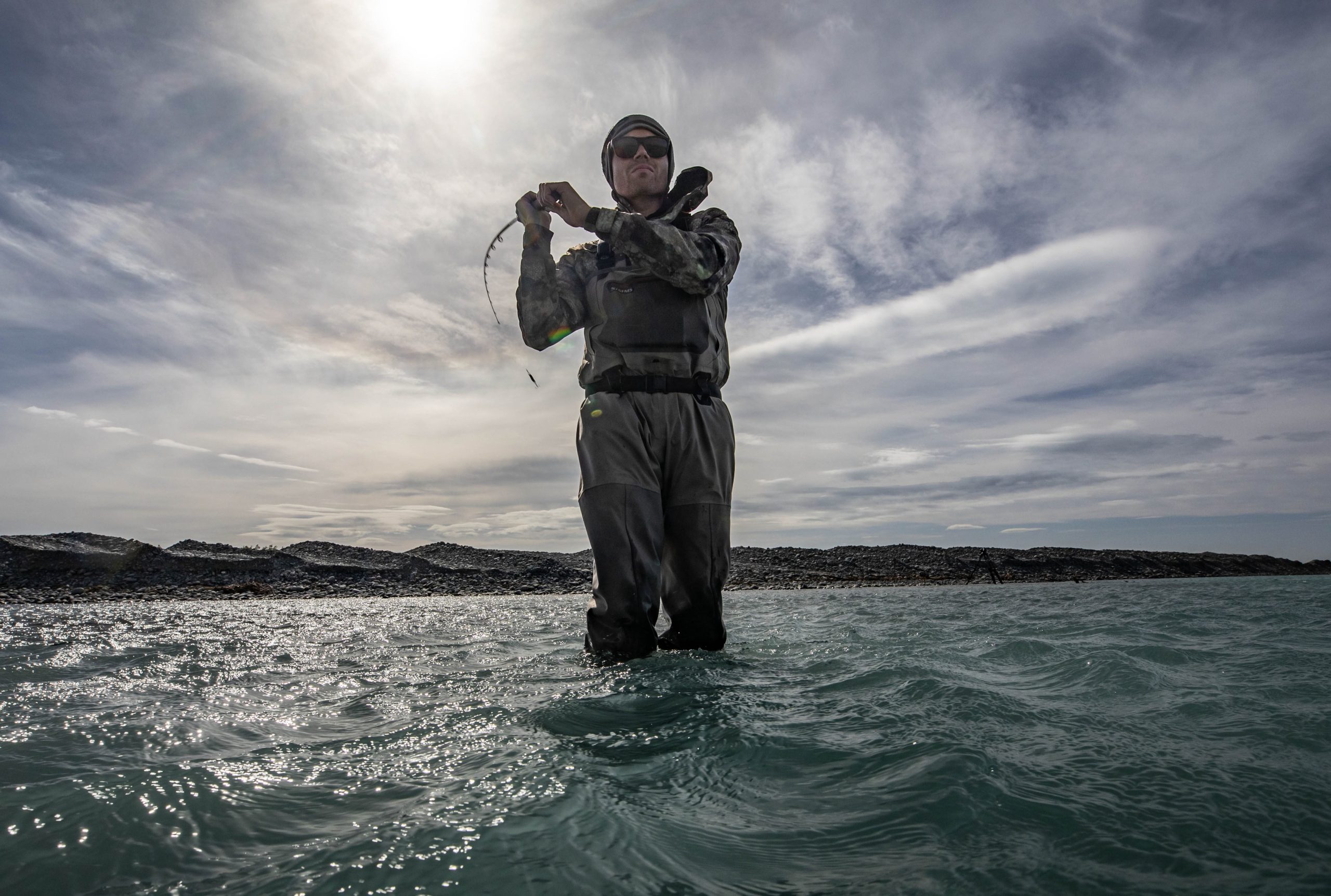
A New Zealand study of nearly 1,900 anglers, the largest of its kind globally, has shown that fishing can significantly boost wellbeing and mental health.
According to the study published in the international journal Leisure Sciences, active anglers were 52 per cent less likely to report psychological distress or thoughts of self-harm.
Fish & Game New Zealand, in collaboration with Dr Shyamala Nada-Raja, University of Otago, and independent researcher Paul Garbett, led the research examining the link between recreational fishing and mental health. Fish & Game staff on the project were Cohen Stewart and Heather Sanders-Garrick.
The research used validated clinical assessment tools to demonstrate that active anglers were 52 per cent less likely to report moderate-to-severe psychological distress and thoughts of self-harm, and 46 per cent were less likely to experience moderate-to-severe anxiety.
Fish & Game New Zealand chief operating officer Richie Cosgrove said the scale and rigour of the findings provided significant evidence of fishing’s mental health value.
“We’ve long suspected that the peace and connection anglers find on our rivers and lakes goes deeper than just recreation, but this research provides further proof at a scale never before achieved globally.”
Cohen Stewart added: “The fact that we found a clear dose-response relationship – the more you fish, the better your mental health outcomes – is particularly compelling.”
Dr Nada-Raja, a wellbeing and suicide prevention researcher from the University of Otago, said the findings could reshape approaches to mental health support.
“What we’re seeing here is evidence that nature-based interventions like trout fishing could serve as valuable complements to traditional mental health treatments,” Dr Nada-Raja said.
“Some people who might not access conventional counselling services may find heading out to a river for a few hours both appealing and beneficial.”
Dr Nada-Raja said another special thing about the study was that it was essentially one of the largest studies focused on men’s mental health and wellbeing done in New Zealand.
“By seeking information about angling and its benefits, we have learned a lot about the mental health and wellbeing of men from all walks of life, as they were the majority of participants.”
The research identified specific elements enhancing mental health outcomes, including water contact through wading, fishing with companions, and physical activity involved in accessing fishing locations.
Importantly, the benefits remained consistent across gender and ethnic groups, including New Zealand European and Māori participants.
Otago University Professor of General Practice Tim Stokes said: “The research is internationally significant as nations worldwide grapple with declining mental health.”
The research arrives as New Zealand faces concerning mental health trends, with psychological distress rates rising from 4.6 per cent of the population in 2011 to 11.9 per cent in 2023.
About 140,000 fishing licences are sold annually, with anglers spending over one million days fishing in New Zealand’s waters.