


|
Getting your Trinity Audio player ready...
|
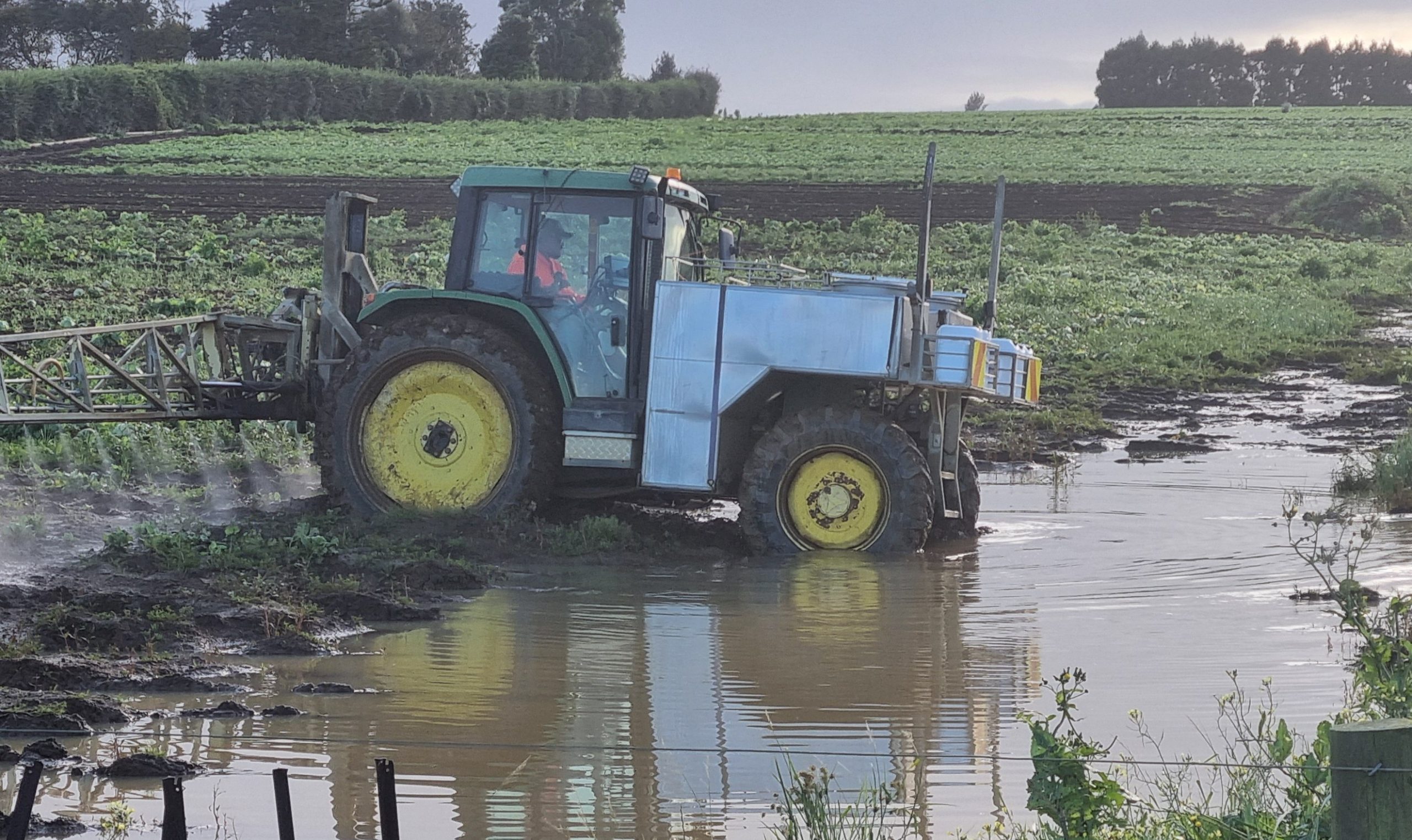
Coal may no longer be king, but fossil fuels are still vital to our primary industries. As for Alan Cole – Franklin Local Board chair and president of Auckland Federated Farmers – he appreciates just how vital they are.
“It’s been really hard for farmers,” he says. “All of a sudden, their fuel costs doubled, something they couldn’t really have prepared for. Whatever the price of fuel, the same amount of work still needs to be done, so it’s been one more extra cost of doing business that they don’t need.”
Shots exchanged over in the Middle East have been hitting too close to home for all New Zealanders, but farmers have been particularly vulnerable. Despite a tentative ceasefire, pain at the pump sees prices rise at the checkout if growers can’t afford to carry the can.
A shortage of diesel, the most common farm fuel, has caused its price to rocket even higher than petrol, adding to the problem.
While proximity to the Super City has been favourable, Franklin’s strong horticultural focus and the timing of the conflict have not.
“We’re probably a little bit lucky by being so close to Auckland because some in remote areas are definitely having more serious issues,” Cole says.
“It’s also significant for dairy farms, milking and feeding out during winter, but it’s growers who have been worst affected. Busy with harvests and then getting fields ready for winter, that’s
“It’s also significant for dairy farms, milking and feeding out during winter, but it’s growers who have been worst affected. Busy with harvests and then getting fields ready for winter, that’s when they need to burn through the most fuel.”
Acts of ‘kings’ aside, a recent act of God almost appeared set to add injury to injury. Fortunately, Cyclone Vaianu was more merciful to Franklin growers than Cyclone Gabrielle and other severe weather events, for which Cole says farmers likely issued a deep sigh of relief.
“There was a little bit of flooding, just the usual stuff, nothing out of the ordinary. There was a lot of rainfall, but I haven’t heard of anyone badly affected. We got away lightly this time, I think.”
While cyclones are harder to avoid, a speedy end to the war in the Middle East can’t come soon enough for farmers.
“The sooner it ends, the sooner we can get back to some normal pricing, the better,” Cole adds. “Because if it doesn’t end, if it escalates again, it’s going to push prices up again even more so.”