


|
Getting your Trinity Audio player ready...
|
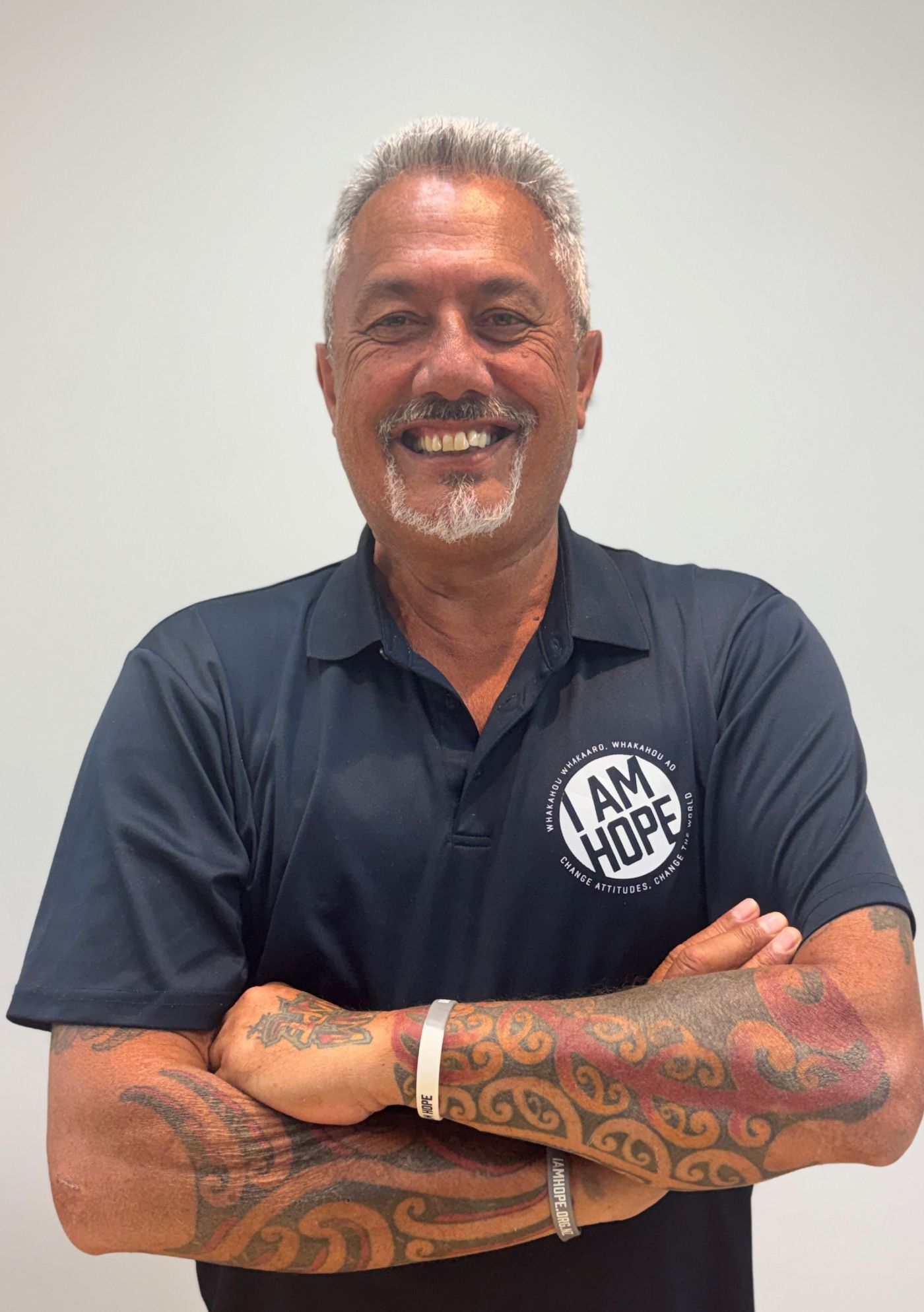
- By Mike King, executive director, I Am Hope Foundation
After a previous column about the young boy diagnosed with scurvy, I received a message from his father. And I’ll be honest with you, it stopped me in my tracks. Because behind the headline, behind the shock factor, behind the easy judgement, was a family who’d been doing exactly what everyone tells parents to do.
They asked for help. They pushed for support. They raised concerns early. And they were met with nothing. It wasn’t neglect that led to that boy becoming unwell. It was a system that didn’t respond when a family put their hand up and said, “We’re struggling here”.
That’s the part that didn’t make the headlines. The father told me they’d been actively trying to expand their son’s diet before things reached crisis point. They’d gone to their GP. They’d engaged with a child development specialist through the Ministry of Health. They’d asked for help.
Nothing meaningful came of it. By the time their son was seriously unwell, they were not only dealing with the medical reality of that situation, they were also fighting to be heard. And then months later, after they’d already lived through that crisis, the story was picked up and published publicly. No contact. No warning. No context.
Their child was identified. At school. In the community. Think about that for a second. A family already under pressure, already navigating a complex condition, already dealing with the guilt and fear that comes with a child being unwell, suddenly finds themselves exposed to public scrutiny. Not because they did something wrong. But because their situation made a good headline. It was retraumatising. That’s the word the father used. And I believe him.
What makes this even harder to swallow is the original intent was good. The case was shared in a medical journal so professionals could recognise the signs earlier in other children.
That’s how the system is supposed to work. But somewhere between that journal and the front page, the purpose shifted. It stopped being about helping clinicians and started being about grabbing attention.
And in that shift, a family paid the price. Here’s the part I want people to sit with. Since that hospital stay, that boy has had a feeding tube inserted so his nutritional needs can be properly managed.
He’s now thriving. Not because someone pointed a finger. Not because a headline shamed his parents. But because, eventually, the right support was put in place. That’s the story. Not the scurvy. Not the diet. The support. Or more accurately, the lack of it when it mattered most.