


|
Getting your Trinity Audio player ready...
|
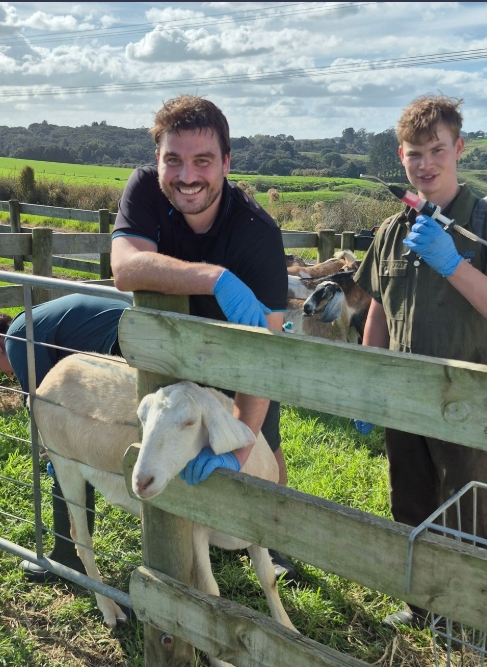
By Dr Blair van Dyk, BVSc, farm veterinarian
Drench resistance is already a major problem in New Zealand farming systems, and lifestyle block owners in Auckland are seeing this issue develop in real time. Arguably, parasite management is one of the most pressing issues for lifestyle block owners, and staying informed about the ever-evolving topic of drench resistance is essential.
Drench resistance occurs when worms survive treatment and pass those resistant genes on to future generations. Over time, common drenches stop working properly, leading to poor growth, weight loss, diarrhoea, ill-thrift, and death in stock.
Lifestyle block owners may be at particular risk because small mobs are often drenched frequently, grazing areas are limited, and new animals are commonly introduced without quarantine. Auckland’s warm, humid climate also favours parasite survival on pasture for much of the year.
The good news is that resistance can be slowed with good management. Industry advice now recommends reducing reliance on drench alone and focusing more on pasture management, stocking rate, nutrition and strategic treatment.
Some practical tips for lifestyle block owners: Get informed! Have a read of the Beef and Lamb “Wormwise” website that goes into detail
about parasitism.
Don’t drench if the animal doesn’t need it!
Use faecal egg counts to guide whether a drench is required – call your local clinic for more
info. We can test onsite at our Pukekohe clinic and have results back to you that day.
Avoid drenching young stock more often than every 28 days unless advised by your
veterinarian.
Weigh animals accurately and dose to the heaviest animal to prevent under-dosing.
Quarantine drench all newly purchased stock before mixing them with resident animals.
Rotate grazing where possible and avoid overstocking small paddocks.