


|
Getting your Trinity Audio player ready...
|

As the number of dog attacks and wandering dogs across Auckland continues to rise, one Bombay resident says owners need to step up.
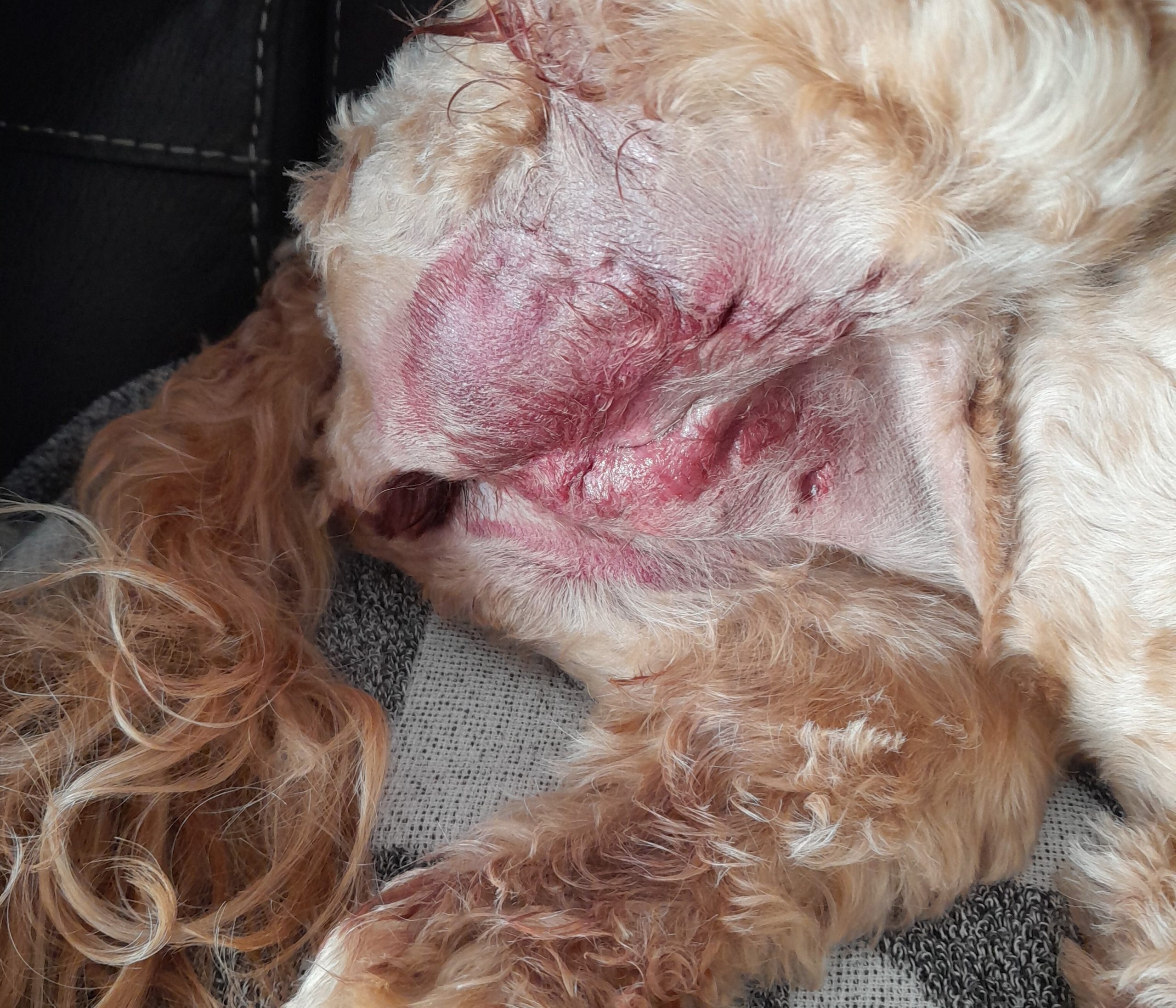
On May 17, Lynn Wilson, of Bombay, was watching her grandson’s rugby game at Pakuranga United Rugby Club when her two-year-old Cavoodle, Amber, was attacked by two dogs.
The club fields are at Bell Park in Lloyd Elsmore Park and are home to Auckland’s biggest rugby club. While walking back to her car (and past another kids’ game), Amber was attacked.
“I was only about 20 metres away from the game when one of the dogs ran over and bit onto Amber. Once she did a yelp, another dog ran over to go for her throat. The first one had bitten one of her rear legs.”
While protecting Amber, Wilson was bitten by American Staffordshire terriers until bystanders helped grab the attacking dogs’ leads. The two dogs were among four being exercised by a dog walker.
The attack left Wilson with lacerations and nerve damage to her hand.
Amber’s vet costs were around $1000, and while her wounds have healed and fur is growing back, she is now fearful of larger dogs.
“The day I was in A&E in Pukekohe, I was the third dog attack.”
Wilson understands Auckland Council investigated, fined the owners, and ordered the dogs to be muzzled when off the owner’s property.
A few weeks after the attack, the council announced it had formed a partnership with the SPCA to address one of the city’s growing challenges: roaming and un-desexed dogs.
The pilot aims to de-sex at least 445 dogs across ten priority suburbs with high numbers of roaming dog complaints: Pukekohe, Papakura, Manurewa, Ōtara, Papatoetoe, Māngere, Henderson, Massey, Māngere East and Mount Wellington.
Regulatory and Safety Committee chair Councillor Josephine Bartley said the council was aware there are instances where some dog owners in these areas can’t afford the cost of de-sexing their dogs.
“By providing vouchers for owners to get their dogs desexed, we are preventing the number of roaming dogs from growing further, in the areas where we are seeing the biggest problems with this issue,” she said.
“In these areas, dogs that have not been de-sexed are having litters that contribute to the problem, as these unwanted puppies grow into dogs that are left to wander the streets in packs, causing injury and harm in the community.”
Between January and May 22, 2025, Auckland Council received 6167 reports of roaming dogs and impounded 2460. The number of dog attacks across Auckland continues to rise, with 3000 attacks on people and animals reported in 2024 alone.
In announcing the scheme, SPCA’s General Manager of Animal Services Corey Regnerus-Kell said it was a community-focused solution that was urgently needed.
“This campaign isn’t just about animal welfare; it’s about keeping people safe. We’re investing in proactive solutions that reduce the risks associated with roaming and aggressive dogs.”
However, Wilson isn’t as confident that the campaign will do much to reduce the ever-increasing number of dog attacks.
“People need to take responsibility for their dogs, including training them and controlling them. It all comes down to the owners.”