

|
Getting your Trinity Audio player ready...
|
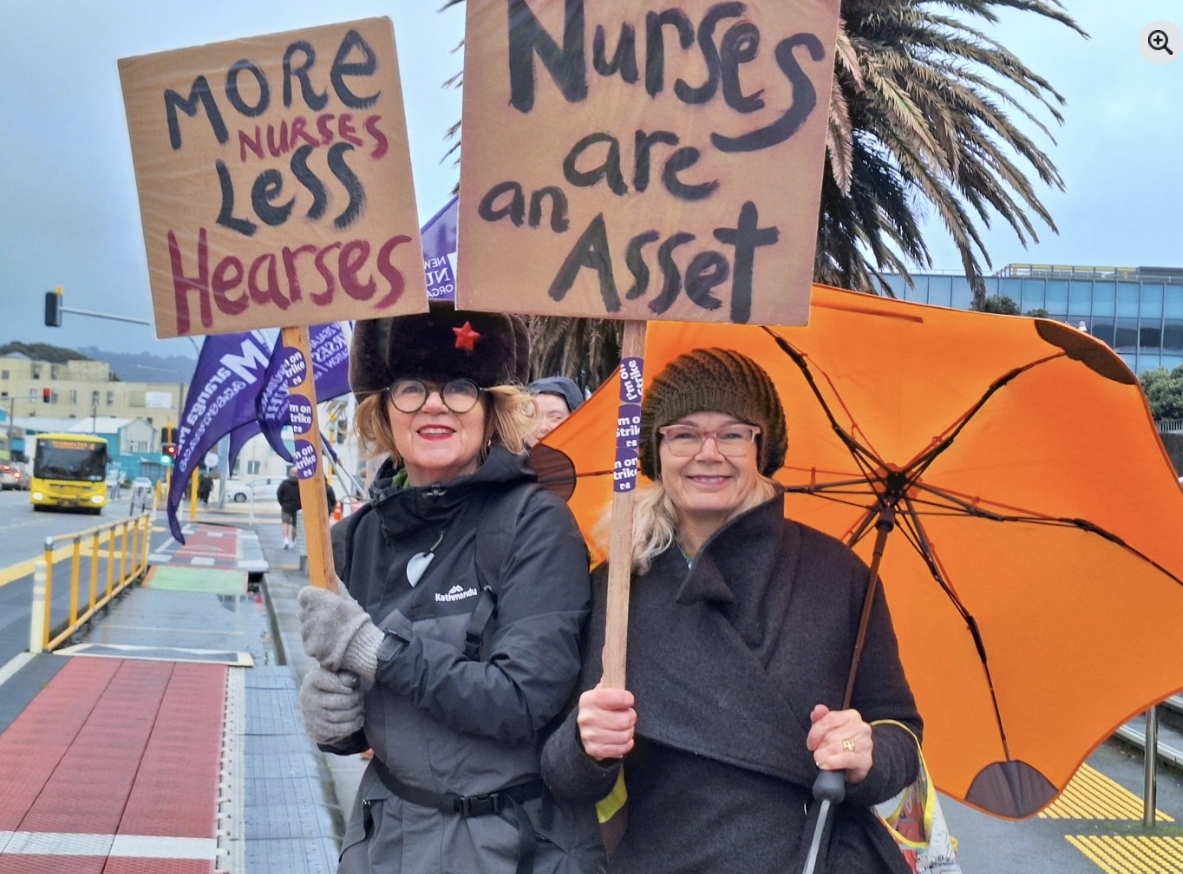
More than 3500 mental health nurses and assistants and public health nurses as well as 1700 policy, advisory, knowledge and specialist workers have voted to strike on Friday, November 28.
The Public Service Association Te Pūkenga Here Tikanga Mahi (PSA) says workers have voted to strike in support of their claims for a settlement that ensures safe staffing and a pay increase that keeps pace with cost-of-living increases facing these workers and their families.
“The votes for strike action highlight the deep frustration health workers are feeling with Te Whatu Ora and the Government,” PSA national secretary Fleur Fitzsimons says.
“Te Whatu Ora and the Government are not listening to the real concerns of these vital health workers or responding with realistic offers that would enable us to reach a settlement.”
In a ballot that closed on November 10, the mental health nurses and assistants and public health nurses voted overwhelmingly to strike for four hours from 1pm to 5pm on November 28.
The vote followed a mediation with Te Whatu Ora last Friday, where no settlement was reached.
The Policy, Advisory, Knowledge and Specialist Workers collective (PAKS) voted to strike in their ballot, which closed on Friday night.
This collective includes workers who keep IT systems working 24/7 and data secure, who provide supplies and equipment, keep payrolls functioning and provide other vital policy support.
These two votes swell the number of health workers striking on November 28 to about 16,700 people.
On November 7, 11,500 Allied health workers, who include physiotherapists, occupational therapists, social workers, Māori health specialists, scientists, anaesthetic technicians, and many more health professions, voted to strike on November 28 after their mediation failed to deliver meaningful results.
“These health workers are reluctantly taking strike action,” Fitzsimons says.
“They care deeply about their patients and their work and will ensure life-preserving services continue.
“But they feel they have no choice when their concerns are not responded to.
“The pay offers for the three collectives still doesn’t keep pace with inflation. They are effectively a pay cut.
“Meanwhile, there are simply not enough health workers to provide the level of care New Zealanders need.
“The PSA remains committed to settling these collectives. Mental health nurses and assistants and public health nurses will have another round of mediation on November 14, and the PAKS collective on November 25.
“Overworked and undervalued health workers need to once again send a strong message to the Government: value us, listen to us, and address the staffing crisis that’s compromising patient care across the country,” Fitzsimons says.