


|
Getting your Trinity Audio player ready...
|
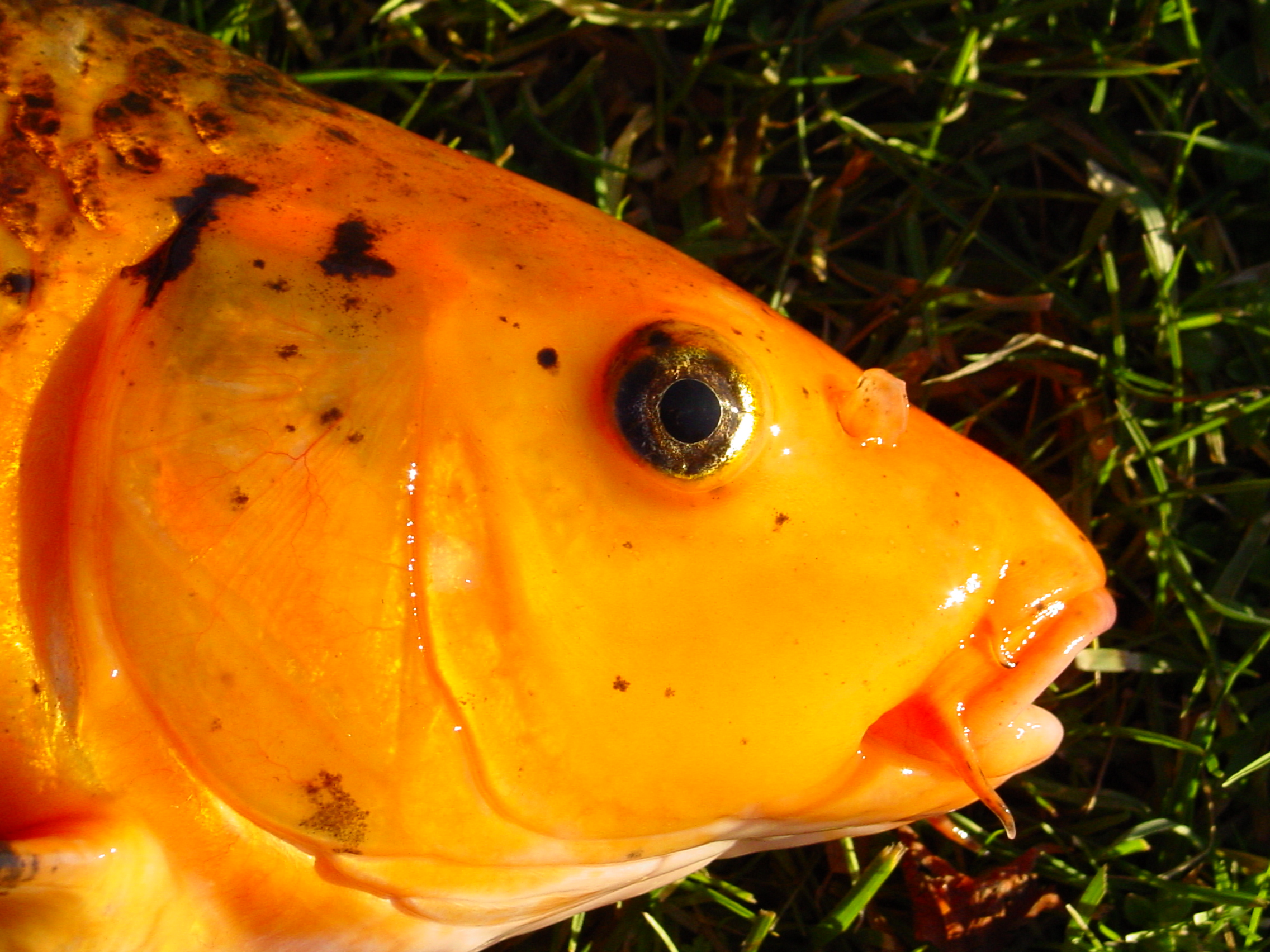
Time is running out to register for the inaugural Franklin Mud Marlin Competition.
Franklin Young Farmers Club is hosting the event, which club chair Marie Taylor says is the first time they have run the competition.
“Koi carp are a big pest around here. So we’ve decided to do something about it.”
The event runs from November 7 to 9, with koi carp allowed to be caught anywhere in the wider Franklin area, including North Waikato, provided competitors have permission from landowners (if not on public land). Bow hunting is also allowed.
“All you have to do is catch koi carp on your own property or visit anyone you know that is happy to have you catch some koi carp. Then bring them to the Aka Aka Hall for the daily weigh-in from 3pm.”
There will be two age categories: junior (under 18) and senior (18+). Registrations close on October 29. Any additional sponsors for the competition would be welcomed, Taylor said.
Waterways pest
Andy Loader, chair of the Primary Land User Group (PLUG) is calling for urgent action to tackle koi carp.
He said that the popular ornamental species was introduced into the Waikato both accidentally and intentionally. Also dubbed the “rabbits of the waterways”, female koi produce over 100,000 eggs per kilo of bodyweight and can reach a biomass of 4000 kg per hectare.
In recognition of their destructive nature, moving koi carp can result in fines of up to $100,000 or five years imprisonment, Mangatangi Maramarua Catchment chair Will Murphy said.
“Yet there is no plan to eradicate them.”
A report in 2017 by Dr D.C. Edmeades and Fred Phillips highlighted Lake Waikare and the Whangamarino wetlands suffer from lower water clarity and higher phosphate concentrations than the surrounding farmlands, consistent with the effects of koi carp activity.
Murphy said that since that time the infestations of koi carp have further encroached upstream, with farmers reporting sightings as far as the Mangatangi Dam.
“There is increasing frustration with the lack of any response from government departments,” he said.
Loader and Murphy said a strategic plan is needed that includes the physical removal of koi and investment in biological control in order to effectively eradicate koi carp.