


|
Getting your Trinity Audio player ready...
|
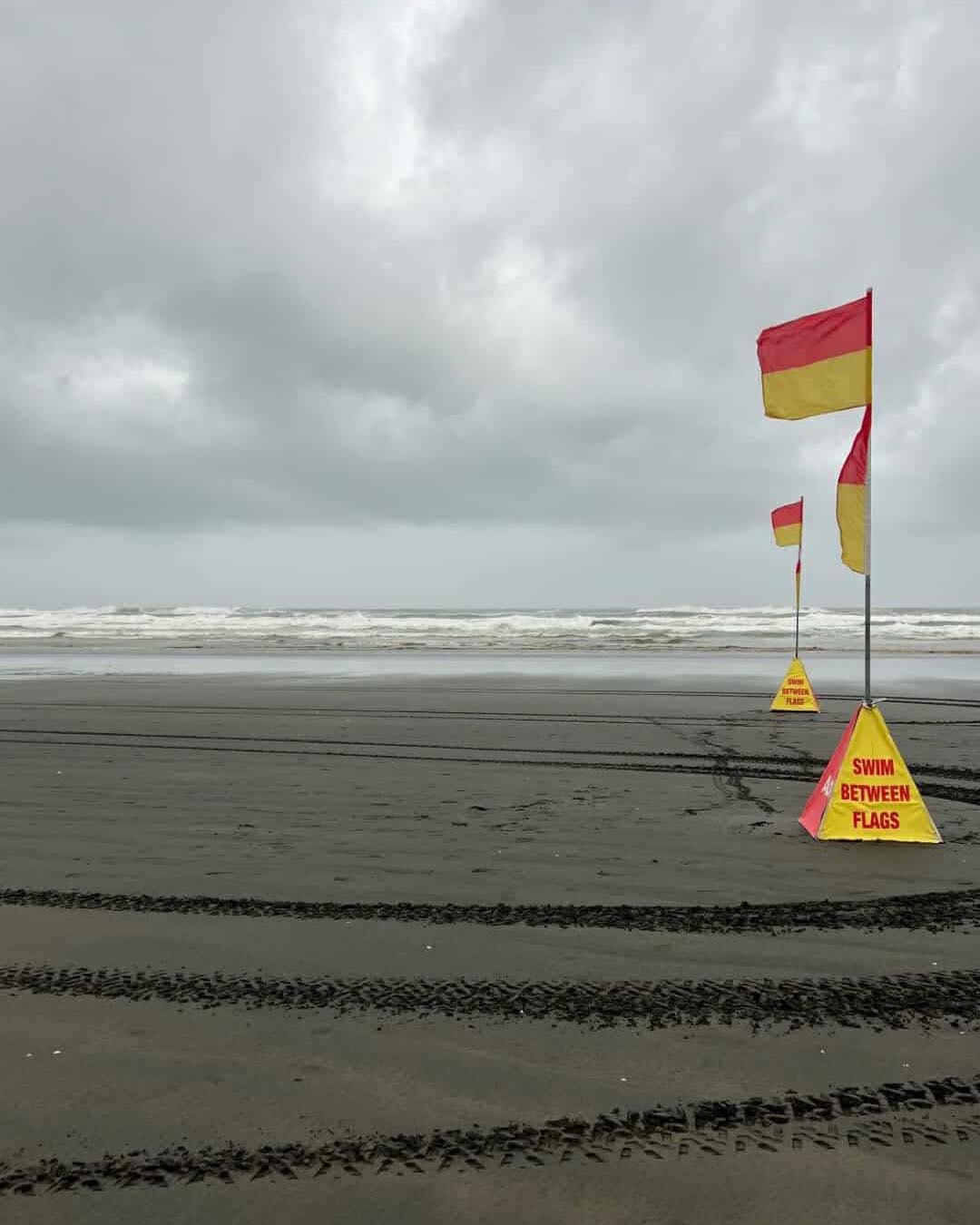
As Kiwis take to the beaches in droves this summer, Surf Life Saving New Zealand is reminding beachgoers to swim safely.
From October last year to this April, Surf Life Saving New Zealand (SLS) was involved in 589 rescues, with 54 of those in Waikato/Franklin. Across the country, SLS carried out 177 searches (32 in Waikato/Franklin) with 801 assists nationwide.
There have already been several serious incidents at West Coast beaches this month.
A 26-year-old man died while swimming at Karioitahi Beach on December 8, and on December 14, a young child was pulled from the water and given CPR by a member of the public after nearly drowning in Raglan. Three young swimmers were sucked into a rip and separated on December 7 during a night swim at Bethells Beach before they were rescued by off-duty lifeguards.
There are three beaches in Franklin and North Waikato that are actively patrolled: Kariaotahi, Sunset, and Raglan.
A paid lifesaving (PLS) patrol runs from 11am to 7pm Monday to Friday at Kariaotahi until February 13. At Sunset Beach near Port Waikato, the PLS patrol runs from 11am to 7pm until February 6.
Volunteers patrol both beaches from 11am to 5pm during weekends.
Further south at Raglan, PLS patrols 10am to 7pm over peak periods, 11am to 7pm off-peak, until February 27. Volunteers patrol from 10.30am to 6pm on Saturdays and 10.30am to 5pm on Sundays over the peak season.
Surf Life Saving’s five key beach safety messages
- Know how to float
If you don’t know how to float, don’t go into the water.
Being able to float when you are in the water increases your chance of survival. Floating allows you to calm yourself and keep your airways out of the water. It is also the first thing to do if you get caught in a rip.
Anyone can learn to float, but some people may take a little longer to learn. - Find the safest place to swim
You can find a lifeguarded beach (and patrol hours) at www.safeswim.org.nz. The surf lifeguards are there to help keep beachgoers safe by keeping a constant eye on the sea as they continuously scan for hazards or people in difficulty, keeping on top of weather forecasts and understanding the swell and tide conditions too.
And always swim between the red and yellow flags. - If in doubt, stay out
Dangerous rip currents are hard to spot, and conditions can be unpredictable.
It’s better to be safe than sorry. Too many people get into trouble in the water because they overestimate their abilities and underestimate the conditions. - Take care of others
Always keep children within arm’s reach in or near the water. Waves can move quickly and unexpectedly, and can knock kids off their feet and sweep them away. Everyone has different levels of ability, so watch out for your mates too. - Know how to get help
If someone in the water is in trouble and surf lifeguards are on patrol, let them know.
If you can’t see any surf lifeguards, call 111 and ask for police. Police have a direct line to surf lifeguards and others who can help.
If you’re in the water and in trouble yourself, signal for help.