


|
Getting your Trinity Audio player ready...
|
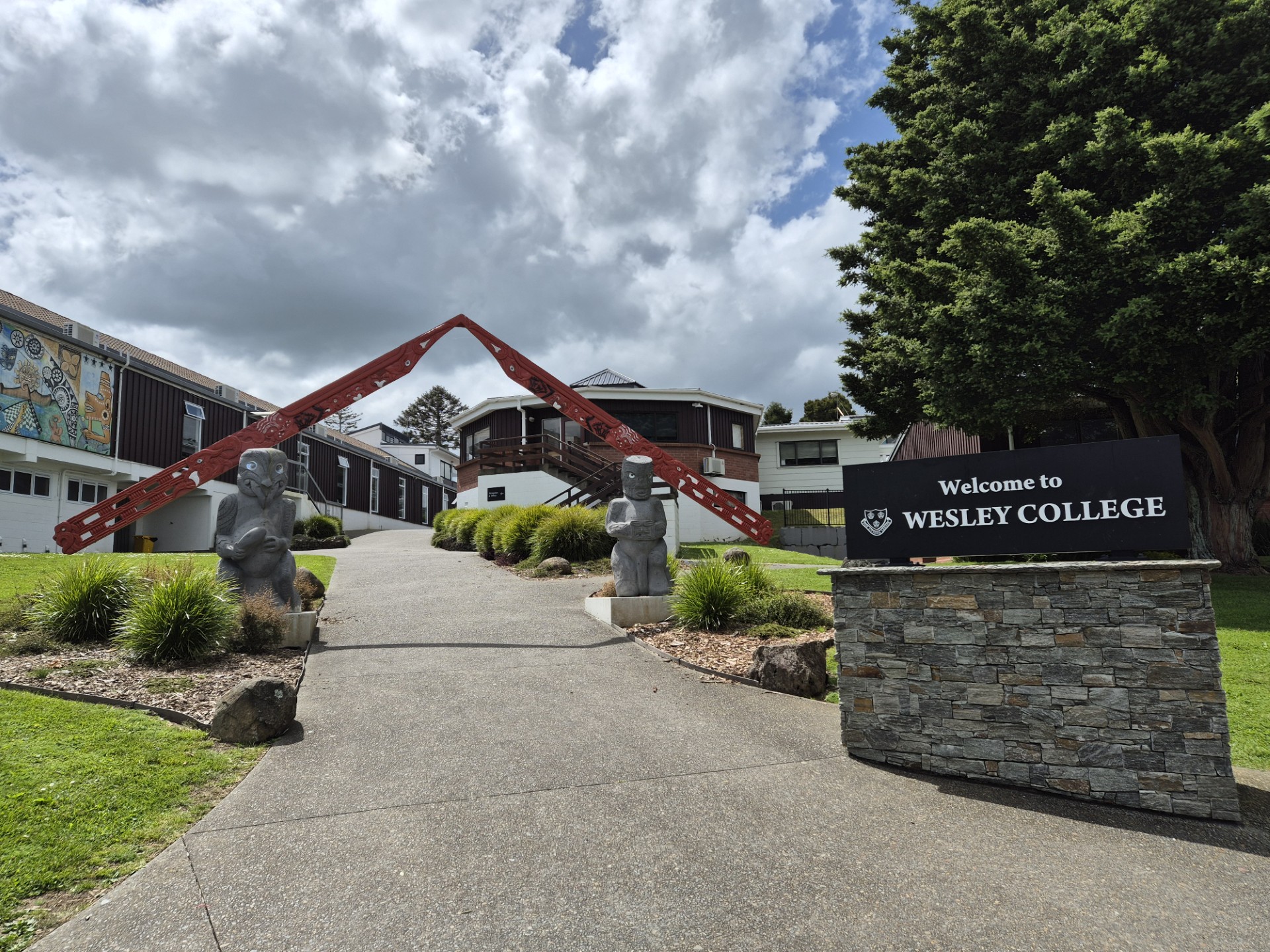
Wesley College principal Dr Brian Evans has paid tribute to outgoing Trust Board chair Jan Tasker, describing her as a steadfast supporter of the school during a period of intense scrutiny over hostel safety and governance.
Tasker’s departure comes after the Methodist Church of New Zealand announced it would dissolve the Wesley College Trust Board and commission an external review into the school’s governance, following concerns about the management of its hostels.
Church dissolves Trust Board, launches external review
In a statement issued on November 18, the Methodist Church said the changes were designed to strengthen oversight and ensure the College’s future was built on “sound governance and care for its community”.
“At its Conference last week, the church resolved to dissolve the current Wesley College Trust Board and commission an external review. This process will inform the reconstitution of a refreshed Trust Board structure to guide the College into its next chapter,” the Church said.
During the transition, Church President Te Aroha Rountree will act as the Interim Trust Board, supported by the Vice President and the General Secretary.
Rountree said the decision followed “careful reflection” about Wesley College’s future direction.
“Wesley College holds a special place in the life of the Methodist Church and across generations of families who have been part of its story. Our decision to pause, review, and renew its governance is about ensuring the College has the strongest possible foundation for the years ahead.
“This is a time to listen, to learn, and to rebuild with integrity and care. The wellbeing of students, staff, and whānau remains at the heart of everything we do.”
The external review’s findings will be presented to the Church’s Tauiwi Strategy and Hui Pōari.
Rountree also acknowledged the outgoing board members.
“We are deeply grateful to the outgoing Trust Board members for their generous service. Their commitment and aroha for the College over many years have been immense.”
Outgoing chair expresses disappointment at how decision was handled

Tasker told the Franklin Times she was “disappointed” by how the dissolution was announced, saying board members only learned of the decision after it had already passed.
“The decision to dissolve the Wesley College Trust Board was made at the Methodist Church Annual Conference which was happening online across last week,” Tasker said.
“I was the Trust Board representative at the Conference but unfortunately, they brought this on to the floor of Conference while I was on the stage presenting the awards at the Wesley College Senior Prizegiving on Friday morning, November 14.”
Tasker said the decision followed the presentation of the Board’s report late the previous afternoon. The debate and acceptance of the closure motion took place the next morning.
“It was very disappointing and I feel let down by the church that we were not able to speak to the motion,” she said.
“If we had been present, we would have agreed that an independent review would enable all views to be considered and positive actions agreed as a way forward.”
Tasker joined the Board in 2018 and became Chairperson in 2019. The Trust Board had 10 members.
Principal honours Tasker’s contribution
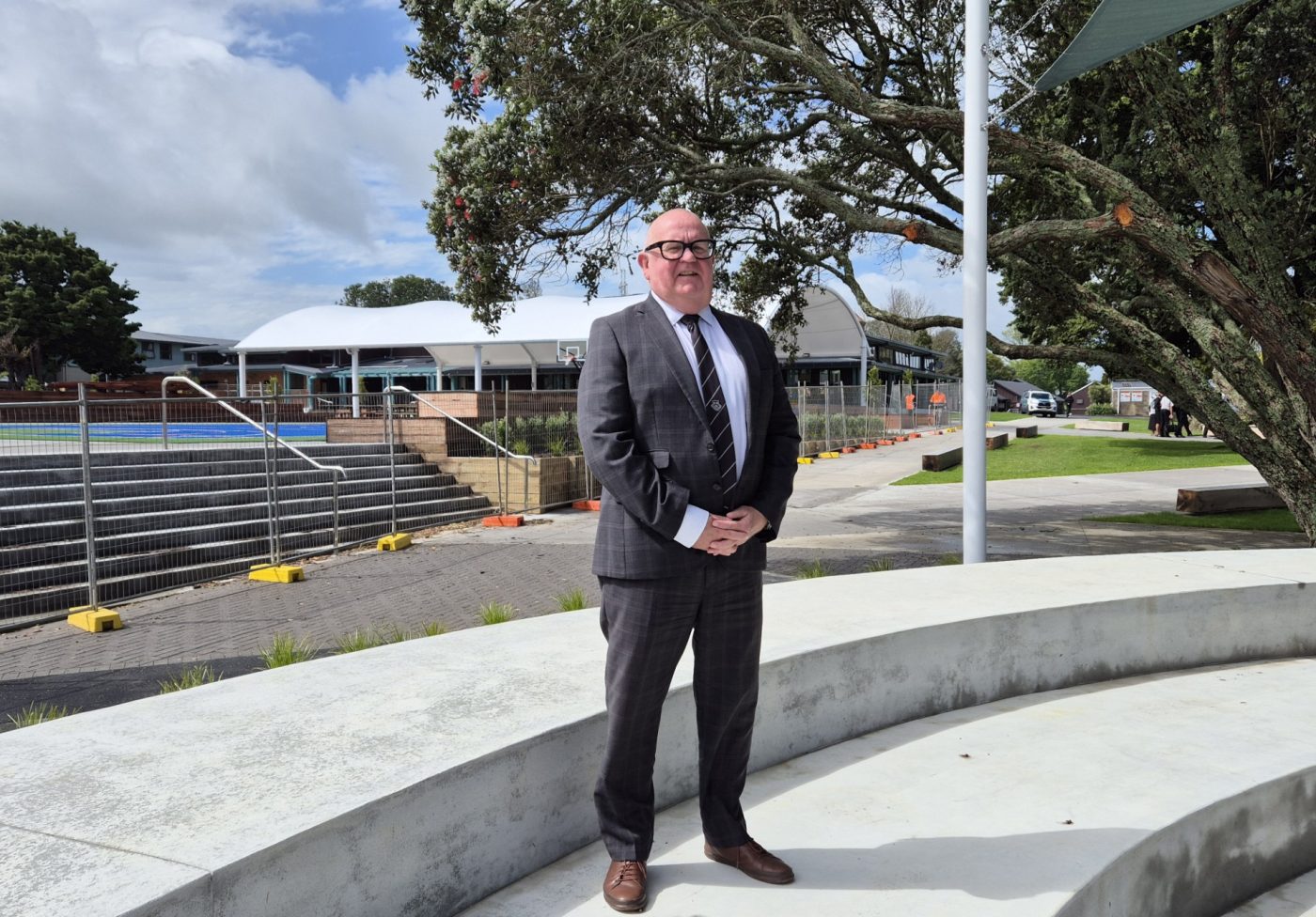
Evans said Tasker’s leadership had been instrumental during a challenging period for the school.
“Jan Tasker has been a steadfast advocate for Wesley College and its community, and I have appreciated her dedication to the school,” he said.
“The work Jan and the Trust Board have done reflects a real commitment to improving safeguarding, strengthening our values, and supporting positive change. Jan’s passion for Wesley and the wellbeing of our students has always shone through and she remains a true friend of the school.”
ERO identifies major concerns after hostel assault
The March ERO report had been largely positive, but by September the agency raised fresh concerns after identifying “another significant bullying incident” in the hostels.
According to the report, more than 30 senior students left their hostel building at night, entered a junior boys’ building, and a small group participated in or witnessed the bullying and assault of junior students.
“The supervising staff and wider student body did not prevent the incident, nor was it reported immediately by either staff or students,” ERO said.
The school allegedly learned of the incident from a single parent.
Three investigators were sent to the school on 30 July. They interviewed 27 students, the Trust Board chair, the principal and several parents.
The report said while school leaders acted promptly once notified, staff struggled to identify those responsible.
ERO found “a pervasive culture of not speaking out and accepting bullying and assault as a rite of passage in the hostel persists”, despite efforts by leadership to change this.
It also identified “deeply entrenched practices” and beliefs among some students and staff that perpetuated intimidation and systemic abuse.
Students reported continuing to wander at night and being caught only “50 percent of the time”.
ERO said it was not assured further physical bullying would not occur. It also cited issues such as assault videos being recorded and shared, and claims staff encouraged a code of silence.
“ERO does not have confidence that hostel culture has sufficiently improved and that the five hostel buildings are positive, inclusive and emotionally safe climates and environments for all boarders.”
The Office recommended suspending the hostel licence.
Principal disputes aspects of ERO’s findings
Evans said the school had been unfairly stigmatised and took issue with how ERO interviewed students.
“The September ERO progress report references both ‘historical and recent’ events but offers no clarity on which issues are ongoing and which were long-since addressed,” he said.
“We have fully acknowledged historical failures, particularly abuse and negative traditions identified by previous reviews and the Royal Commission. However, conflation of timelines risks misleading both the public and our school community about the scope and persistence of challenges.”
Evans said safeguarding systems had significantly improved.
“Our safeguarding program aims to be gold standard and one that we are confident is working well. No longer do we have a culture of silence in the school.”
Evans said recent behavioural issues needed context.
“When this report was written we had just one incident this year that has involved students in possession of alcohol. We have had one incident that involved students in possession of cannabis. You would be hard-pressed to find a school in New Zealand that doesn’t have low-level issues such as these.”
Evans also said students felt pressured by ERO interviewers.
“Over the past few years, we have found the stance of the ERO staff to be deeply disrespectful of the students they interviewed, claiming they were lying and covering up,” he said.
“Students disclosed after several visits that they felt the ERO staff were trying to put words in their mouths and badgered them about whether they felt safe at the school. Students said they felt pressured to provide negative answers.”
He said this undermined efforts to build trust and reporting systems.
“We’re confident we have broken down the former culture of silence. Our anonymous reporting systems are effective, with incident reporting indicating a system students trust. We believe that ERO’s continued scepticism towards the authenticity of student voice is at odds with this real transformation.”
Evans said student wellbeing and academic results were improving.
“We’ve seen significant improvements to NCEA achievement and student wellbeing. NCEA Levels 2 and 3 achievements are up, and chronic absenteeism down. Students report increased engagement in learning and feel more positive about school culture than in the past.”