


|
Getting your Trinity Audio player ready...
|
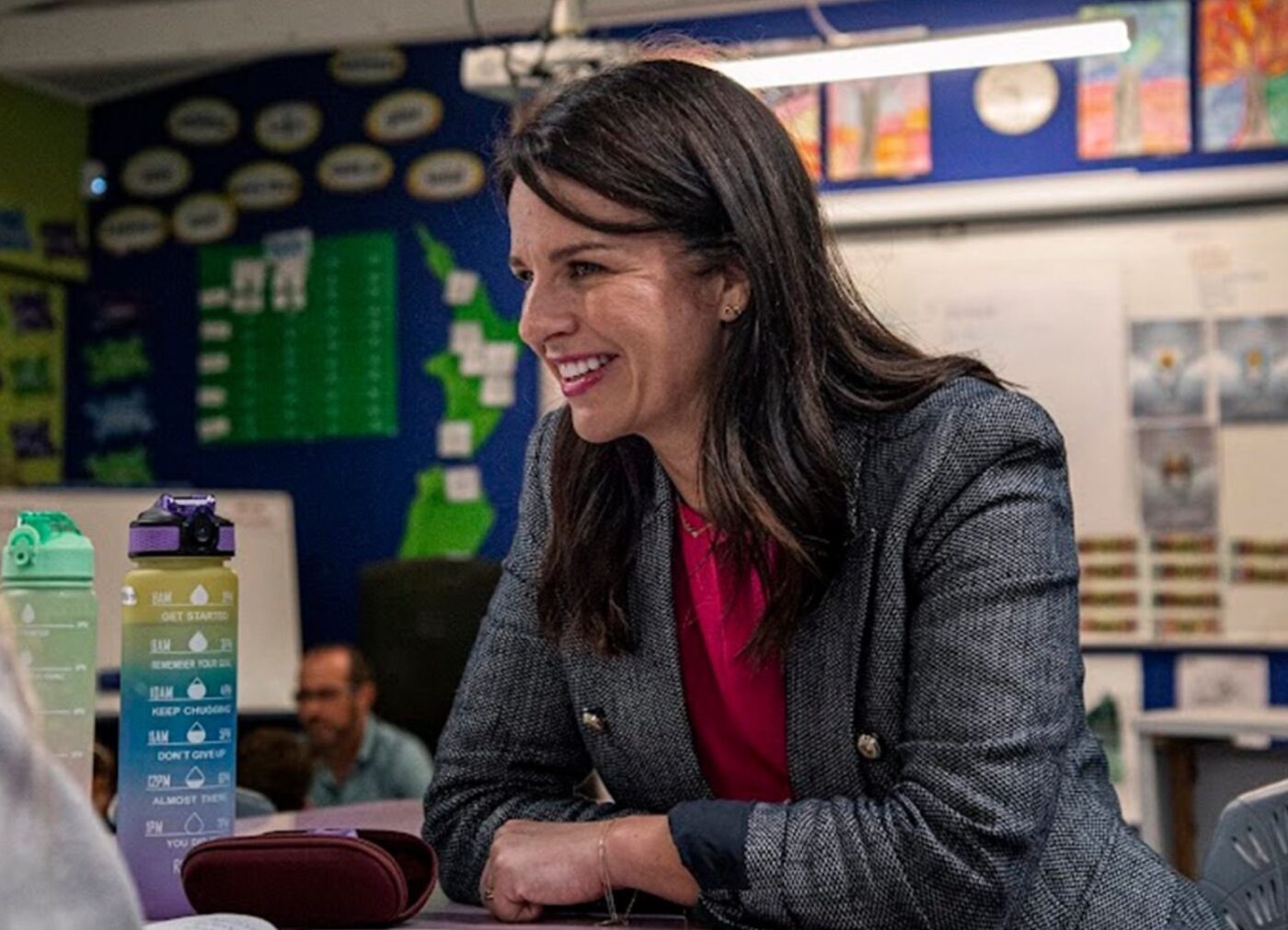
Education minister Erica Stanford says the government is rolling out immediate targeted support to help small, rural and isolated schools manage fuel cost pressures, keep classrooms warm, and ensure students remain engaged in learning.
“Global fuel price volatility is hitting some schools harder than others, particularly those that rely on diesel and where students face longer distances when travelling to and from school.
“Our priority is to ensure students are attending school and are engaged in their learning.
“Recently, I directed the Ministry of Education to contact every single school to understand the impact of fuel cost pressures on their individual circumstances so that targeted, temporary and timely responses can be designed.
“As a result of this engagement, we’re rolling out interim support for the schools most likely to experience challenges from fuel cost-pressures, while simultaneously planning for a range of potential future scenarios.”
Stanford says the government is investing $37 million to accelerate work to replace diesel boilers at up to 70 schools nationwide, removing dependence on diesel and protecting schools from future fuel price shocks.
The upgrade is expected to save around 600,000 litres of diesel per year, delivering cost relief while improving long‑term resilience.
“Relief teachers play a valuable role throughout our schooling system,” she says.
“To support staffing in our schools, particularly through the winter months in rural and isolated communities, the Government has also agreed to a temporary increase to Relief Teacher Transport Allowance mileage rates, which I’m confident the unions will support.
“Car reimbursement rates will rise from 37 cents to 83 cents per kilometre, and motorbike rates from 15 cents to 31 cents.”
The increase is effective from April 20 and will apply for 12 months or until fuel prices ease to below $3 per litre for four consecutive weeks, Stanford says.
“Schools receive operational grant funding to cover mileage costs, however small schools that are predominantly rural are less likely to be able to afford the increase to the mileage reimbursement rate from their operational grant funding.
“In response, we’re paying one-time cash grants of $2,500 to all schools with under 100 students, in addition to funding schools already receive.
“We’re also increasing the conveyance allowance by 30 per cent to help eligible families with the cost of getting children to school or the nearest bus route, benefiting 5,000 further students.
“These measures are carefully targeted to where fuel costs are having the greatest impact.
“Looking to the medium term, we are investing $2.35 million per year for two initiatives to grow the workforce of the future and ensure rural and isolated schools have a good pipeline of teachers, funded through reprioritisations.
“The Go Rural programme, where student teachers receive $4,000 to cover the costs of undertaking a professional experience placement in a rural and isolated school is being expanded by a further 87 places per year, from the 2026/27 financial year.
“We are also increasing the number of places available in the Teacher Bonding Scheme by 50, from 185 places to 235 per year.
“This bonding scheme supports teachers with up to an additional $40,000 over five years for working in hard to staff schools, the majority of which are rural and isolated.”