


|
Getting your Trinity Audio player ready...
|
- By Dr Mel Jones, BVSc, veterinarian, Pukekohe
As the weather cools in late autumn and winter, many pets begin to show subtle changes in
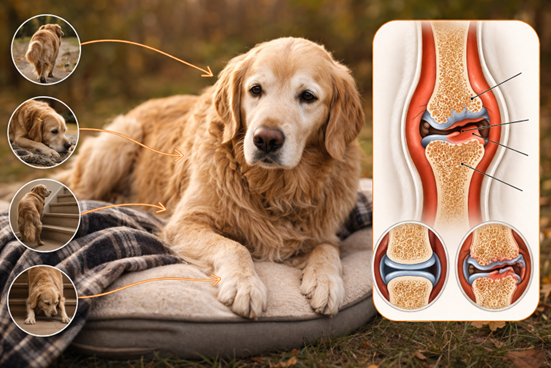
their movement and behaviour. These changes are often dismissed as “just getting older,” but they can be early signs of arthritis, a common and painful joint condition that affects both dogs and cats.
Arthritis (osteoarthritis) occurs when the cartilage that cushions joints gradually wears down.
This leads to inflammation, stiffness, and discomfort. While it’s more common in older pets,
it can also affect younger animals, especially large breeds, active working dogs, animals with a history of trauma/previous injury or pets carrying extra weight.
How can you tell if your pet might have arthritis?
The signs are often easy to miss because they develop slowly. Keep an eye out for:
- Stiffness, especially after rest or in the morning.
- Slowing down on walks or tiring more easily.
- Hesitation to jump into the car, onto furniture, or climb stairs.
- Limping or an altered gait.
- Changes in behaviour, such as irritability or reduced playfulness.
- Cats may stop jumping to high places or have accidents outside the litter box.
Colder temperatures can make these signs more noticeable, as joints tend to stiffen in the
cold.
What can be done to help?
The good news is that arthritis can be managed effectively, especially when caught early.
Treatment is usually multi-faceted and tailored to your pet:
- Veterinary pain relief: Safe, prescribed medications can reduce inflammation and
dramatically improve comfort. - Weight management: Keeping your pet at a healthy weight is one of the most
important factors in reducing joint strain. - Joint supplements: Products containing ingredients like glucosamine, chondroitin,
or omega-3 fatty acids may support joint health. - Exercise: Regular, gentle movement helps maintain joint mobility—short, consistent
walks are better than occasional intense activity. - Home adjustments: Provide soft, warm bedding, use ramps where needed, and
minimise slippery surfaces.
Why early action matters
Arthritis is a progressive condition, meaning it worsens over time if left unmanaged.
However, with early recognition and the right care plan, pets can remain active, comfortable, and happy for years.
If you’ve noticed your pet slowing down or behaving differently, it’s worth having a
conversation with your veterinary team. What may seem like a normal part of ageing could
be treatable pain, and improving your pet’s comfort can make a world of difference to their
quality of life, especially as we head into the colder months.