

|
Getting your Trinity Audio player ready...
|
What is osteoporosis?
Stemming from the Greek “osteon” meaning “bone” and “poros” meaning “holey”, osteoporosis is a disease of the skeleton, characterised by low bone mass and subsequent increased fracture risk.
Low bone mass occurs as part of the aging process and affects both women and men.
During our lifetime, old cells are constantly being removed and replaced with new cells.
After the age of 30, bone loss gradually starts to exceed bone formation, leading to eventual decreased bone density.
There are other risk factors to also consider:
- Coeliac, Crohn’s, irritable bowel syndrome, ulcerative colitis – the body doesn’t effectively absorb the nutrients in food.
- Early menopause (<45 years) – oestrogen plays a vital role in supporting bones through the remodelling process.
- Excessive alcohol – reduces calcium absorption, elevates cortisol, disrupts oestrogen and testosterone levels.
- Low body weight – reduced structural loading on bones and the muscles supporting them.
- Low testosterone levels – testosterone also plays a vital role in supporting bones through the remodelling process.
- Medications, e.g., Prednisone, particularly in high doses over a long period of time.
- Overactive thyroid or parathyroid glands – both conditions accelerate bone turnover.
Poor diet – lack of the vital nutrients that support bones. - Rheumatoid arthritis – chronic inflammation triggers bone cell breakdown.
- Sedentary lifestyle – bones respond best to the stimulation provided by weight-bearing exercise.
- Smoking – the chemicals in tobacco disrupt remodelling, reduce calcium absorption, constrict blood vessels and lower oestrogen levels.
How is bone health assessed?
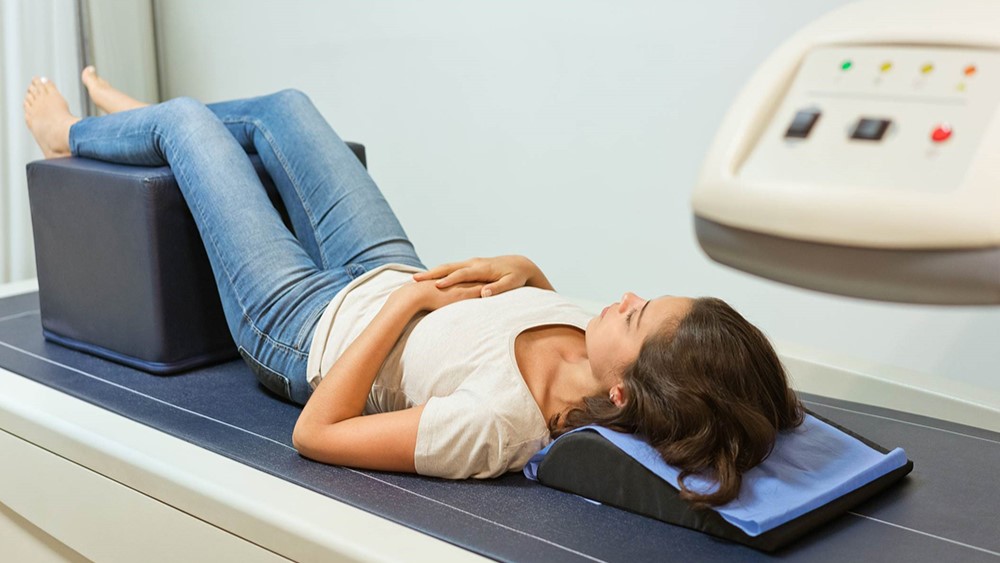
A DXA scanner uses X-ray technology to assess bone density. It is a quick, non-invasive scan, and you can refer yourself. The scanner has an open structure and a comfy mattress. Each scan takes just a few seconds to acquire. The hip, lower spine (and in some cases the wrist) are the sites dictated by the World Health Organisation to provide the best data. The results are available in a few days and can be sent to you and your chosen healthcare provider.
If you are over 50 (ladies) or 65 (gentlemen) and/or have any of the conditions listed above, consider having a DXA bone density scan to assess your bone health – give your bones the best chance to live their best life!
For more information, visit www.boneandbodyblueprint.co.nz.
Next time: Osteoporosis v osteoarthritis