


|
Getting your Trinity Audio player ready...
|
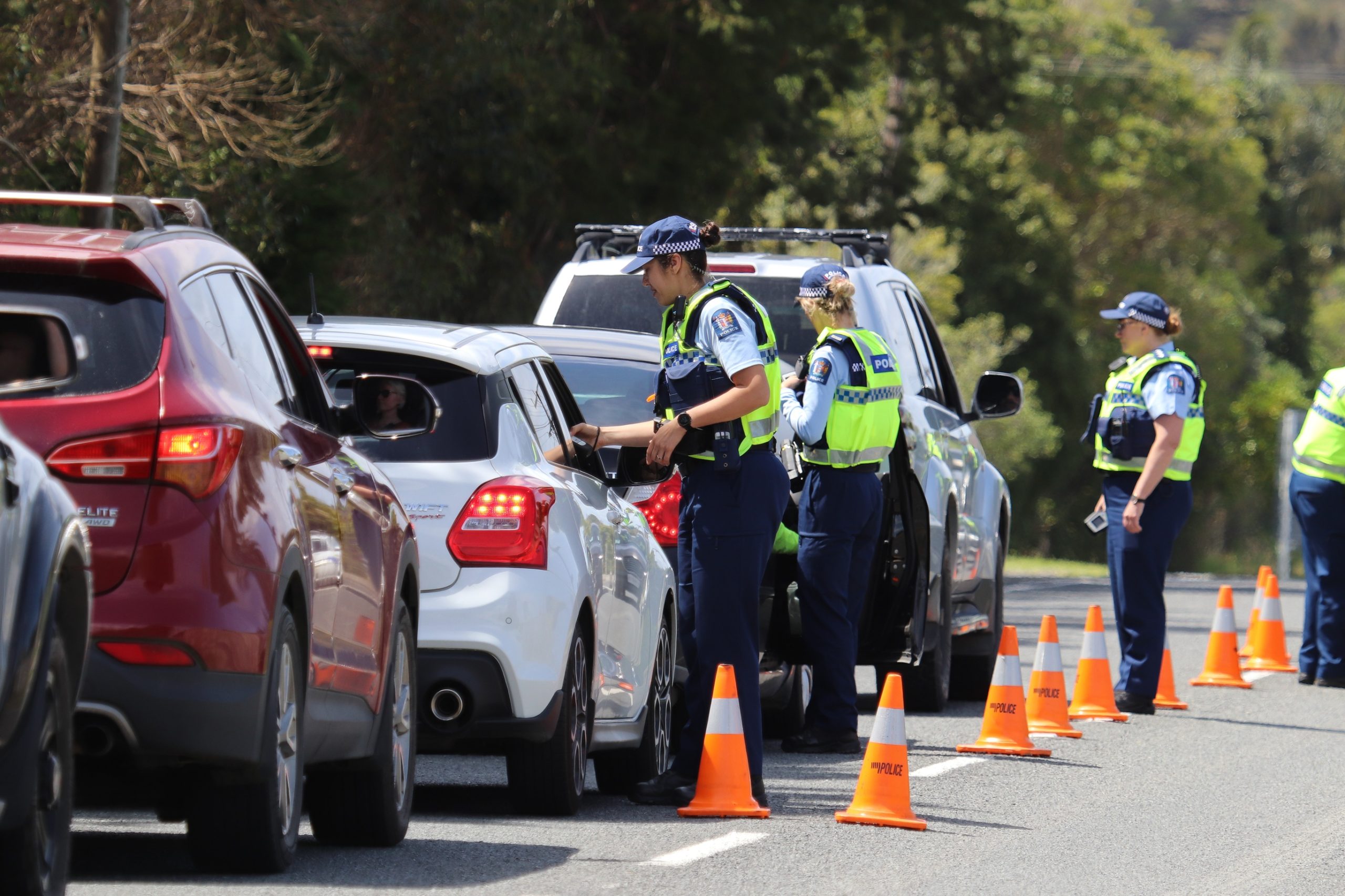
Around 120 police officers are under disciplinary scrutiny after a nationwide review revealed some staff falsely or erroneously recorded alcohol breath tests that never occurred.
Police Acting Deputy Commissioner Jill Rogers confirmed a review of 5.3 million roadside breath screening tests conducted between 1 July 2024 and 30 September 2025 found that less than 0.6 per cent, about 30,961 tests, were wrongly recorded.
The issue was uncovered after Police ICT (Information and Communications Technology) developed a new algorithm in August 2025, allowing the National Road Policing Centre to better analyse test data.
“What is a concern, however, is that the data clearly shows either poor judgment or poor processes by a small number of staff using the testing devices,” Rogers says.
“This behaviour was isolated to a small number of staff and does not reflect the majority of our officers who act with honesty and integrity every day.”
She says about 120 staff now face further scrutiny under an internal disciplinary process.
“This is incredibly disappointing and concerning. It is important we hold our staff to account, as the public has a right to expect we will go about our duty honestly and fairly.”
Rogers says Police met and exceeded its Road Policing Investment Programme (RPIP) 2024-27 target, delivering about 900,000 more breath tests than required.
The RPIP funds NZ Police $1.315 billion over three years from 2024–27 to deliver road policing and enforcement.
“We are confident the required number of breath tests agreed upon with New Zealand Transport Agency – Waka Kotahi, Ministry of Transport and Police has been surpassed despite the number of falsely or erroneously recorded tests,” she says.
Rogers says staff have been reminded of their obligations and given further training to ensure integrity in future testing.
“Reducing harm on New Zealand roads is a priority for our dedicated staff, and this is highlighted by the record number of breath screening tests over the course of 2024/25,” she says.
Police will continue to update partner agencies as disciplinary processes continue.
It comes as Police today announced a further update on the measures taken since a rapid review of Police information security controls was completed in June 2025.
Following the review, the Police Executive Leadership Team approved a remediation plan with 26 actions to be implemented between July and December 2025, including “better oversight and management of the use of devices.”
“Police have some specialist groups that require technology solutions that historically have not been able to be run on enterprise networks and devices,” Chief Information Officer Matt Winter says.
“Following a stocktake of these devices, and looking at technology options that are now available, a decision has been made to move the majority of these onto enterprise devices and networks to allow for improved management, technical controls and oversight, including logging, monitoring, and alerting.
“Any exemptions require executive approval and would be limited to discrete sensitive capability. Procurement of devices is now limited to standard processes, with any exemptions requiring ICT review and Chief Security Officer approval.”
In January this year, police published its latest update of information on ICT use. It expressly explains officers must not “tamper with or attempt to circumvent any system or security measures.”
NZTA has been approached for comment.