


|
Getting your Trinity Audio player ready...
|
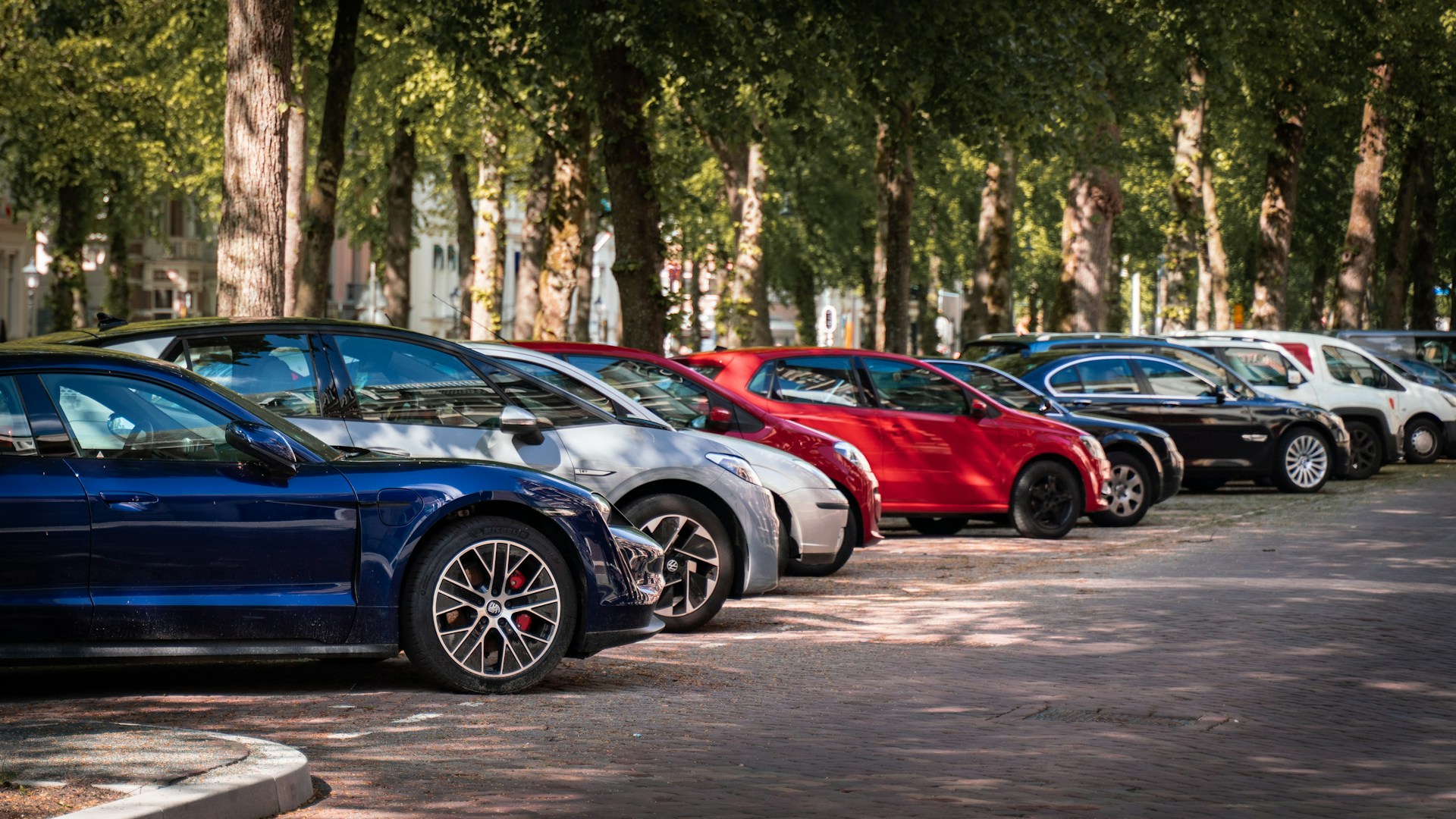
New and used imported vehicles could become cheaper for motorists under changes aimed at reducing fees for car importers, Transport Minister Chris Bishop says.
Bishop announced today that the Government will temporarily slash the Clean Vehicle Standard charges in a bid to prevent additional costs being passed on to consumers.
The Clean Vehicle Standard, introduced in early 2023, was designed to help lower the cost of living by encouraging the purchase of more fuel-efficient vehicles. Importers incur charges for bringing in higher-emitting cars and earn credits for lower-emission models. Charges are only paid if they cannot be offset with credits.
Bishop said the scheme has contributed to improved fuel efficiency, but changing market conditions mean targets have become too stringent. Supply of cleaner used cars has tightened, demand for new EVs has dropped, and many importers can no longer earn enough credits to avoid charges.
“Most importers are now unable to meet the passenger-vehicle targets. In fact, right now, 86 per cent of importers are facing a net charge rather than net savings from credits. The scheme is so out-of-whack with reality that even some hybrid vehicles will attract charges rather than credits,” he said in a statement.
“Without relief, the local automobile industry faces significant charges that are likely to be passed on to consumers through higher car prices and reduced choice.”
What’s changing:
To ease pressure while the Standard is reviewed, the Government will:
- Cut charges by nearly 80 percent for 2026 and 2027 – reducing top rates from $67.50 to $15 per gram of CO₂ for new vehicles, and from $33.75 to $7.50 for used imports
- Protect existing credits so none expire before 31 December 2028
- Begin a full review, with recommendations due to Cabinet by June 2026.
Officials say the new rates still provide incentives to import low- and zero-emissions vehicles, while offering meaningful relief to importers.
Under current settings, 85.6 per cent of importers are in a net-charge position, with an average charge of $1,226 per vehicle. The reduction is expected to significantly ease those costs and, in most cases, prevent them being passed on to consumers.
While the lower charges are expected to reduce potential fuel-efficiency gains by up to $115 million, officials say this is more than offset by avoiding an estimated $264 million in net charges that could otherwise flow through to vehicle prices.