


|
Getting your Trinity Audio player ready...
|
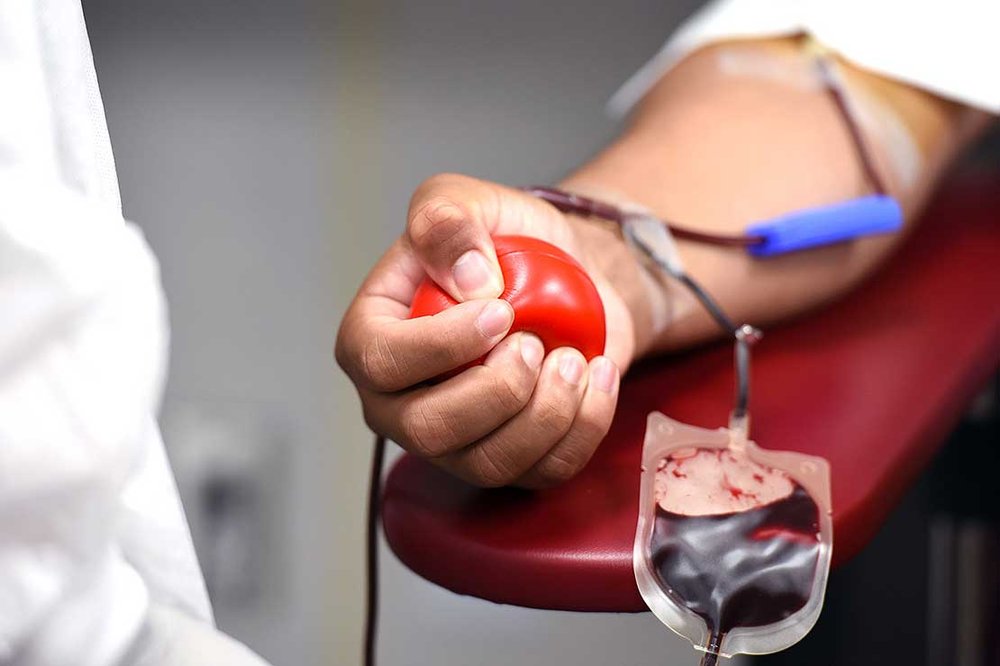
Serious accidents happen all the time, and despite record-low car-related fatalities last year, blood and plasma are still in demand.
Every year, around 30,000 people are saved through donated blood or plasma (the yellow liquid part of your blood). Right now, the country only has 130,000 blood and plasma donors, which make up just four per cent of the population.
Demand exceeds supply, and the New Zealand Blood Service needs to collect 5,000 donations each week to meet that demand.
Scott Sinclair, New Zealand Blood Service Donor Relations Team Leader (Northern Region), says that while donations increased before Christmas, it is when people decide to go on holiday that collections become a challenge.
“However, things typically quieten down after Christmas and into January, as many people are away enjoying a well-deserved break.
“This makes it a challenging time for collections, so we’re encouraging people to make an appointment now for when they return from holiday.
“We’re also encouraging people to check our mobile drive schedule, as we might be popping up near their holiday destination, making it easy to donate while they’re away.
“Blood donation involves giving whole blood, which is separated into components like red cells, plasma, and platelets.
“Plasma donation is a similar process, but it takes a little longer because only the plasma – the yellow liquid component of blood – is collected, and the other components are returned to you.
Plasma is used to make lifesaving medicines for people with immune deficiencies, bleeding disorders, and other conditions.
“[Last] year, we received around 227,000 donations from generous donors across the country. Every donation counts, and the need is constant – especially for plasma, with demand increasing by over 10 per cent every year.”
You can find locations to donate blood here, including the mobile blood drive.