


|
Getting your Trinity Audio player ready...
|
- By PJ Taylor, Eastern Times
Social service Stand Tū Māia is settling into its new whare, where it cares for and heals Kiwis who have been physically and mentally injured by events that can happen in life.
The people it delivers critically important services to are children, and then their whānau families and wider community, and it has a long, proud track record and lots of mana (respect) for the way it has gone about its mahi work for eight decades.
Stand Tū Māia was previously known as Stand Children’s Services and before that the Children’s Health Camp at Half Moon Bay, which originally was the King George V Memorial Health Camp for Children, opened in December 1949.
The Times had the privilege of attending the heartfelt blessing of the new home of Stand Tū Māia’s Regional Centre for Trauma Healing and Family Support in June, in Ronwood Avenue, Manukau.
Gracing the very special occasion was the Governor General, Dame Cindy Kiro, the Stand Tū Māia patron.
The centre provides specialised therapeutic services for tamariki (children), mokopuna (grandchildren) and whānau affected by adverse life circumstances and the impacts of trauma.
Last week, the Times had the privilege again to see further into the new premises and operations.
We met with Pene Frost, Stand Tū Māia’s Auckland regional manager, a very highly respected social worker and East Aucklander who was awarded a King’s Service Medal last year for her more than 40-year career with the health camp whanau.
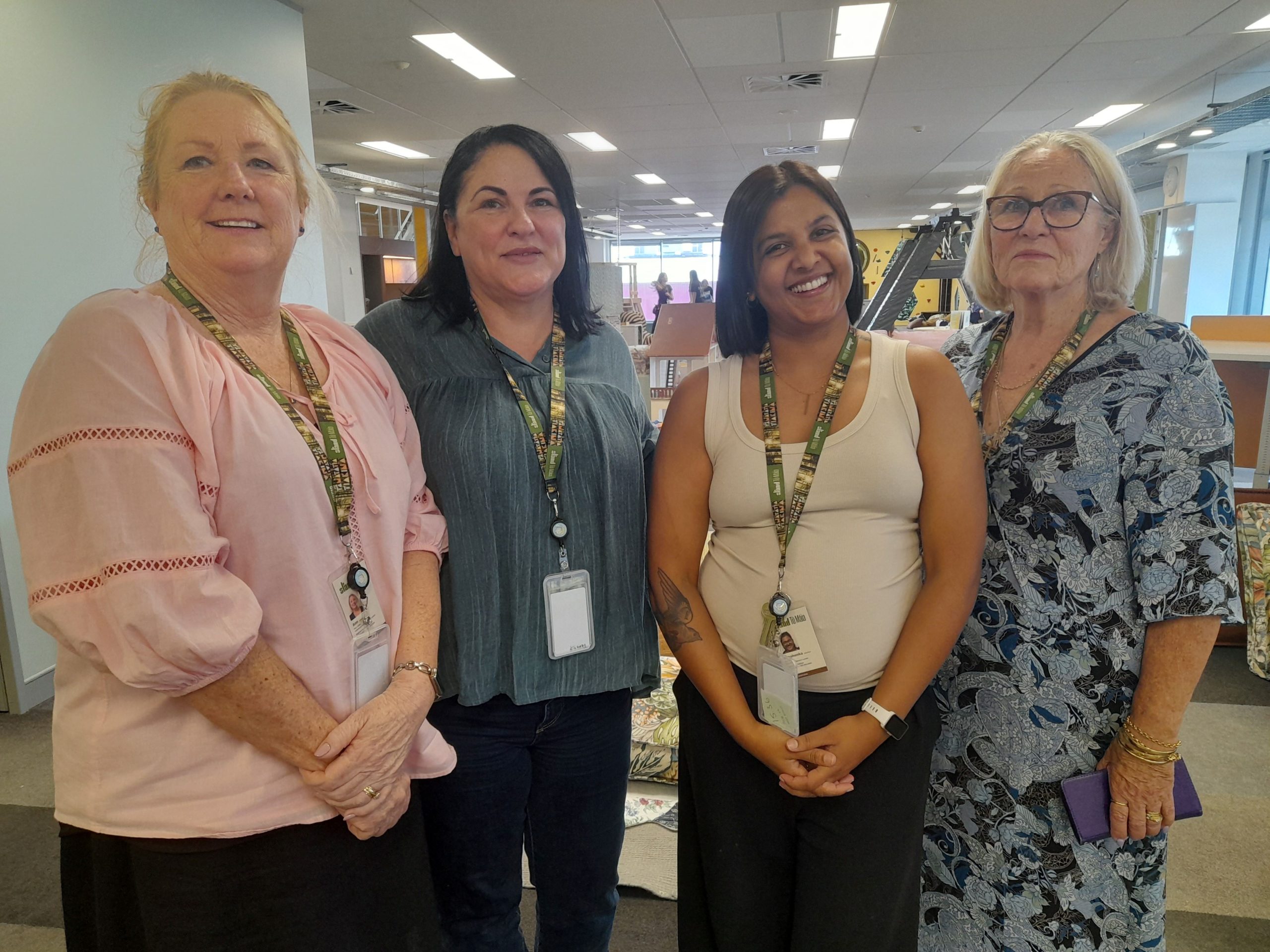
With her were Preshenka Pillay, a kahukura aroha education service leader; Tereza Ivankovich, an intensive family wraparound social worker; and Ann Voykovich, a kahukura aroha services leader.
They’re all committed, positive, empathetic and qualified people suited to what they do, and say they love their work.
That’s probably because they also see the positive changes they can make in people’s lives.
On our tour, the first noticeable thing is that it’s quiet in the large, spacious areas. There are children there, about a dozen, and they’re just finishing hot dogs for lunch, and about to get into the afternoon’s activities.
At intensive wraparound services, where Tereza and Ann work, there are 10 social workers handling referrals about children needing education, health and social services, sent by a host of organisations including schools, Oranga Tamariki, police, health practitioners, psychologists, and counsellors.
They’re dealing with “children at risk” cases, young ones who have gone through “traumatic experiences”.
The children who attend Stand Tū Māia are in the five to 12 age group, and the time spent there has a “focused structure”.
Where Half Moon Bay had accommodation for overnight stays in the past, for children’s respite care, the new base is only for day stays, and they can be from two to five days.
We also visited Jemma Fong, a creative art therapist and counsellor, a recent newcomer who is teaching and encouraging in a bright and active art space.
The expansive, open-plan play, learning and activities spaces have many great options to occupy the children, and interesting structures to play on or relax in.
A lot of them have been supplied by Spectroom, a specialist in developing equipment for children with disabilities and learning needs.
Frost says 2025 was a year “marked by challenge and change for Stand Tū Māia and the wider social services sector”.
“Our commitment to delivering transformative outcomes for tamariki mokopuna and whānau has remained steadfast.
“Despite uncertainty, particularly around funding, we’ve continued to stand strong, showing up for those on the edge of care and delivering outcomes that restore stability, strengthen families, and change life trajectories.”
In the Auckland region last year, Stand Tū Māia supported 686 children and families.
Nationally, it supported 1465 families (6667 individuals), and a further 400 families (1823 individuals) were on the waitlist for services provision.
Stand Tū Māia also has centres in Whangārei, Rotorua, Gisborne, Wellington, Christchurch, and Dunedin.
“Around 80 per cent of the tamariki mokopuna we work with have had involvement with Oranga Tamariki, and almost all live with multiple and compounding risks: 97 per cent experience five or more risk factors, and 82 per cent experience 10 or more,” Frost says.
“These realities reinforce the urgency and importance of our work.
“Independent analysis by ImpactLab in 2024 confirmed the significant value of our trauma-capable model, finding an average social value of more than $51,000 per whānau, and demonstrating that targeted early intervention delivers human, social, and economic benefit at scale.
“But the most powerful demonstration of our impact is in the stories of the Tamariki mokopuna and whānau we walk alongside.
“Across every measure we track – trauma impacts, child difficulties, behavioural challenges, family functioning, well-being in home, school and community – outcomes show strengthened resilience and renewed hope,” Frost says.
“We’re pleased with Oranga Tamariki funding confirmed for Stand Tū Māia, along with the wider sector, through to March 2027.
“This has been warmly welcomed by our team, the families we support, our referrers and partners, and our communities.
“We continue to make positive progress with Oranga Tamariki and the Social Investment Agency on how continued investment in our services supports Government priority outcomes in the areas our services operate.”
Frost says the opening of its new centres in Auckland and Whangārei represented “major milestones”.
“These spaces are more than buildings – they are places of healing, belonging, and collaboration. They will also help foster greater cross-sector collaboration and learning.
“Early feedback from tamariki mokopuna, whānau, our staff, and referrers shows these
therapeutic environments are already making a profound difference.
“We also commissioned Changing the Trajectory, independent research highlighting how advances in neuroscience, underpinned by data science and strong values, can transform outcomes for tens of thousands of vulnerable children.
“The findings reinforce that trauma-capable services not only improve lives but deliver greater value for money across government.
“Our practice remains grounded in the strongest national and international evidence, informed by te ao Māori, our own practice learning, and the lived knowledge of our communities.
“We’re proud to be working alongside Oranga Tamariki and the Social Investment Agency, in shaping the wider system conversations about early, specialist, trauma-capable interventions.
“There is clear evidence that acting early changes life courses and reduces long-term costs to the state.”