

|
Getting your Trinity Audio player ready...
|
Putting down an animal is never pleasant, but how do zoos know when it’s time to let them go?
This is the situation the Hamilton Zoo found themselves in recently when they had to euthanise three of their animals within a week.
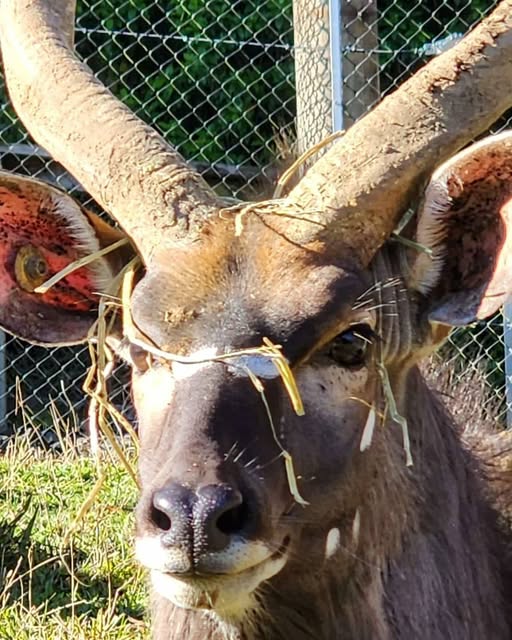
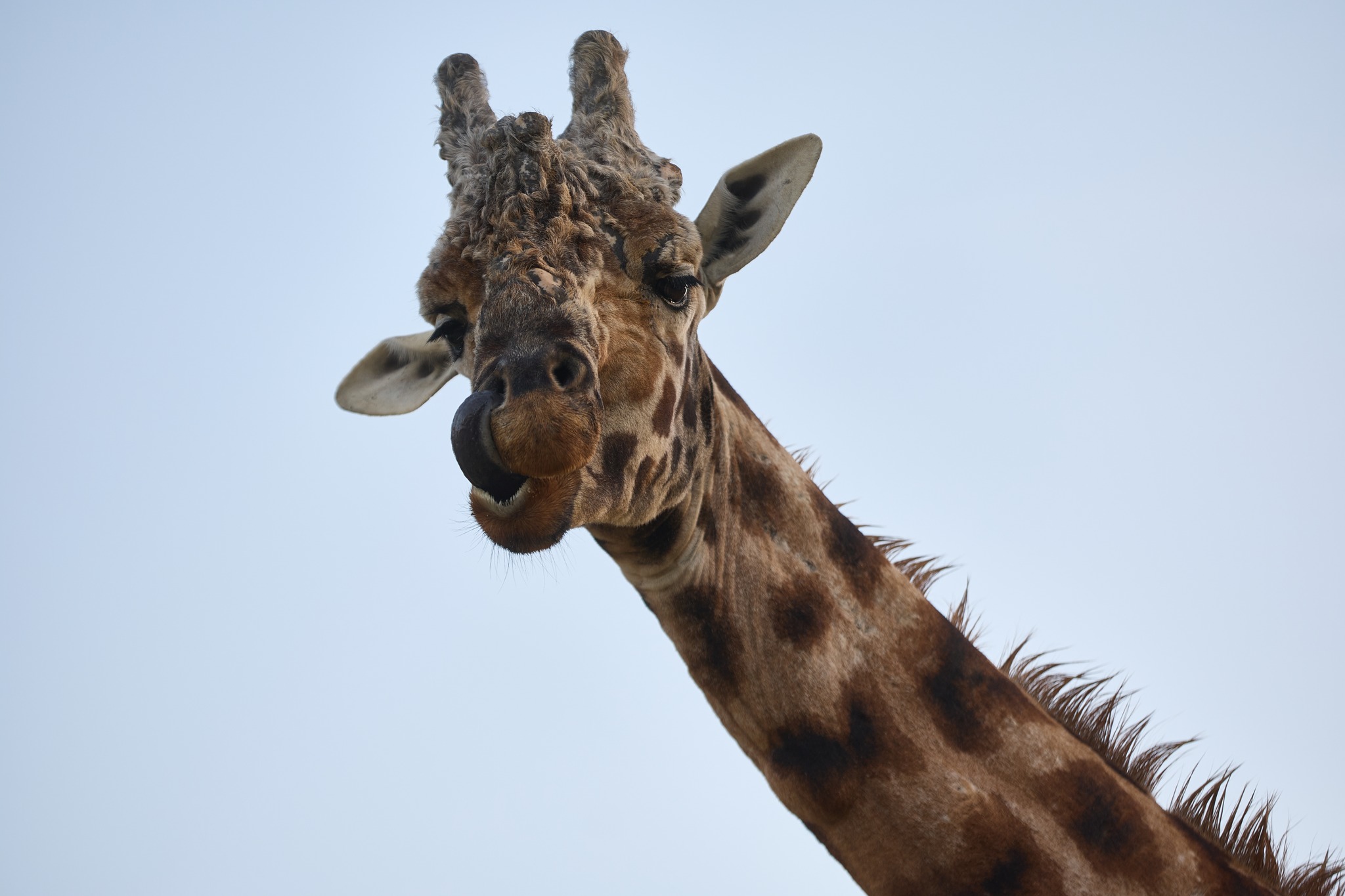
They were Masamba, the giraffe, for severe foot problems, Chica the agouti for a persistent jaw infection, and Barry the nyala, who had to be put down after an ongoing foot injury he sustained in November 2024.
While it was a heartbreaking decision, it was ultimately a case of quality-of-life versus spending hundreds, maybe thousands of dollars to keep them alive, and prolong their suffering.
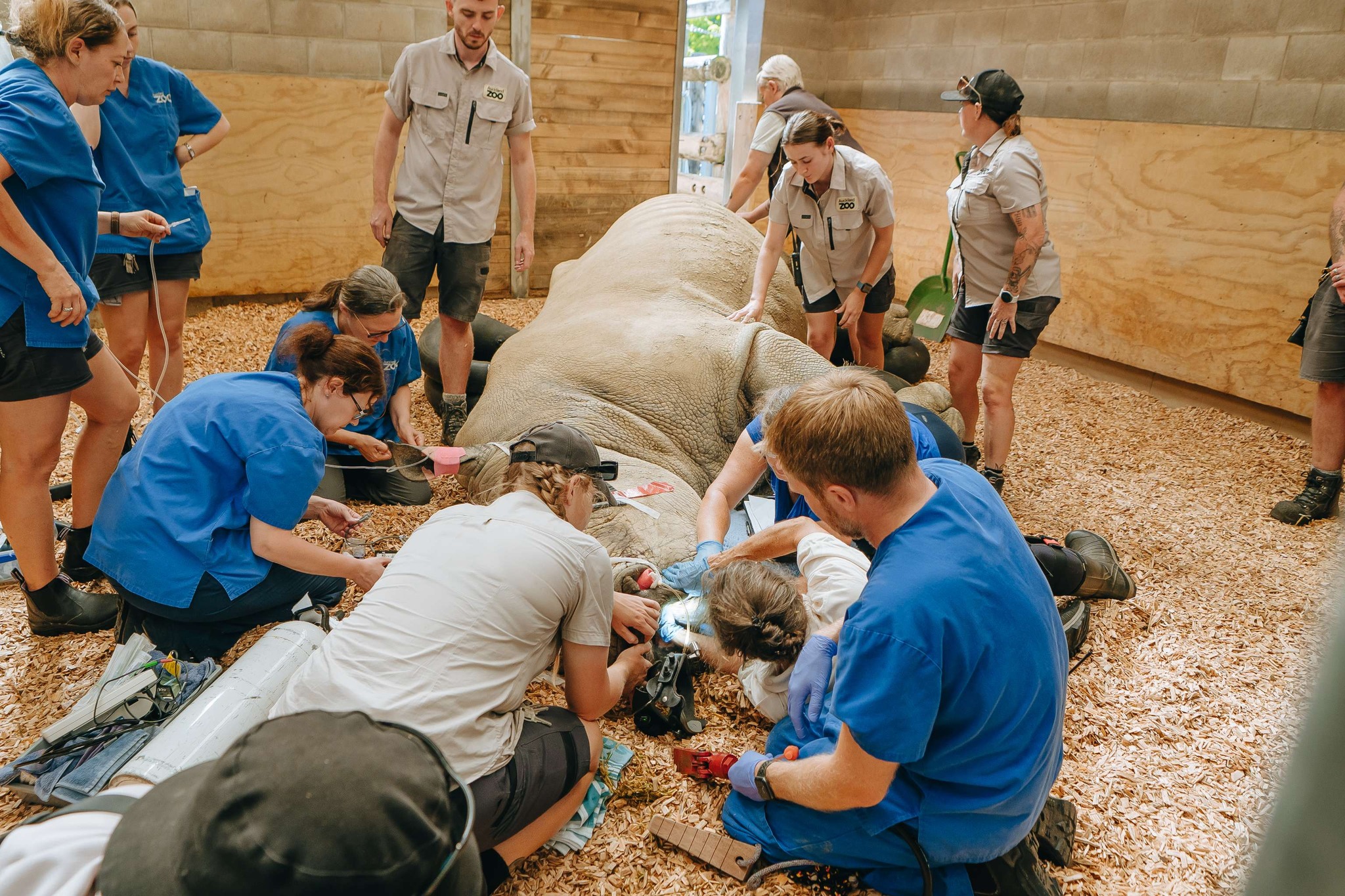
Likewise, Auckland Zoo had to euthanise Southern white rhino Zambezi on December 16 due to deteriorating age-related health conditions, vet Dr Adam Naylor said.
“As an older animal approaching the end of his natural lifespan, our vet and keeper teams have monitored him very closely in recent years. As part of his care, he has received regular health assessments with the support of veterinary dental specialists.
“Dental disease is a common age-related health issue in rhinos; a result of continuous chewing and years of cumulative wear, particularly in long-lived individuals,” Naylor said.
“We’ve been able to maintain Zambezi’s welfare through a combination of dental procedures, medication, husbandry, and dietary support. However, over a number of months, we have seen a deterioration in his dental health, he has had increased difficulty eating and his body condition has gradually declined as a result, making humane euthanasia the kindest decision for him now before he started to suffer. It’s never an easy decision to do this, and one we never take lightly but, by acting now we have been able to give him a peaceful and dignified end to his life.”
Auckland Zoo head of animal care and conservation, Richard Gibson, has 30 years’ experience as a herpetologist (reptile and amphibian specialist). He said euthanasia was always done in the animal’s best interest.
“Animal euthanasia is used both reactively and proactively to end or prevent negative welfare situations. Most often, it is when an individual’s welfare, as assessed across the 5 Domains of Animal Welfare model, is no longer demonstrably positive.
“This might be owing to disease or injury, age-related deterioration, or sometimes social circumstances which lead to adverse behavioural consequences.”
Gibson said euthanasia decisions involved a comprehensive and complex process, including veterinarians, specialist animal managers, and keepers, sometimes specialists from outside the immediate zoo/organisation, and often a welfare committee.
“They take into consideration all aspects of the individual’s current circumstances and condition, sometimes those of the family/wider group where relevant and consider the viability of all options available to resolve/prevent the actual or predicted welfare compromise.
“In different circumstances, these might include medical intervention, castration, splitting groups, moving animals to new locations, and, of course, euthanasia where the former options are not viable.”
Elderly animals were subject to continuous health and welfare assessment to ensure that, wherever possible, vets and keepers work in a timely fashion to prevent undue suffering.
“In such cases, the decision is effectively made weeks/months/years in advance, and clear triggers are agreed upon regarding at which time the decision will be implemented.
“More complex cases where a group’s welfare is impacted, or individual behavioural/psychological welfare is a concern, might not always be so clear and straightforward.
“Sometimes complex cases require detailed data collection, external consultation, trialling of alternatives to euthanasia, and continuous assessment, and therefore might be a dynamic decision-making process over several weeks or even months, said Gibson.
A spokesperson for an Auckland animal sanctuary, who spoke on the condition of anonymity, said the decision to euthanise the animals they look after was never easy.
“For me, it’s not black and white, and as a charity, I’m sure for the (Hamilton) Zoo as well, you must weigh up so many factors. How much quality of life is this animal going to have, and sadly, you must weigh that up against the cost of providing that quality of life.
“If it’s going to cost the entire budget for the year to give an animal three more weeks, then that’s not fair to the other animals, who are then not going to have the resources they need to have happy lives.
“So, all of that must be weighed up, how much time are they going get, is the time they get going to be worth having? I think a lot of people in (animal) rescue are aware there is a fate worse than death, and living a life that’s riddled with pain, lack of community, all of those issues I think are worse for animals.”