

|
Getting your Trinity Audio player ready...
|
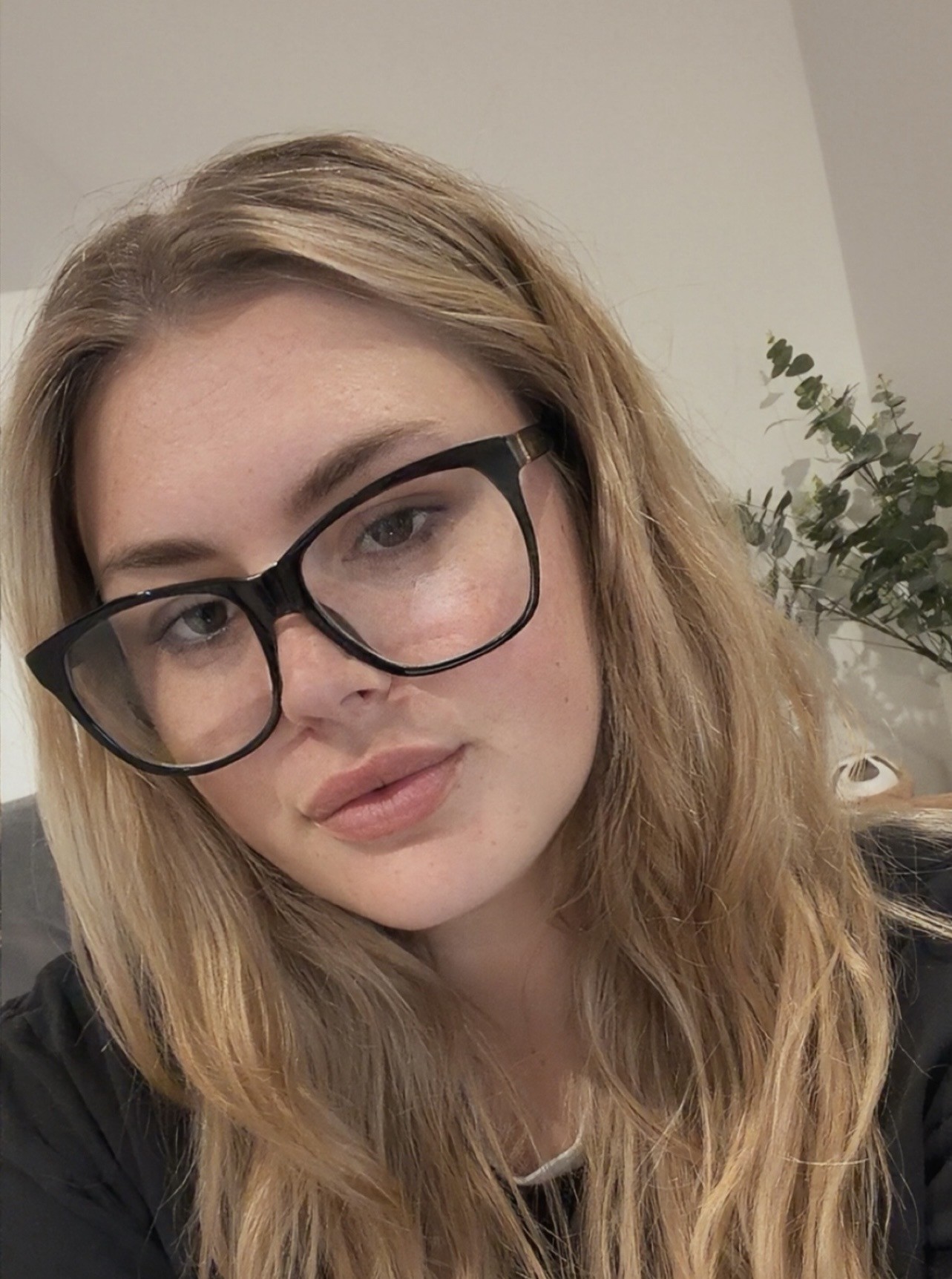
3D areola restorative tattooing offers millions of people the chance to live their lives confidently after undergoing surgery.
Cancers can require treatments that physically alters a person’s body, affecting how others see them, and more importantly, how they see themselves.
A post-surgical procedure called 3D areola restorative tattooing helps people regain their confidence.
Tattooists like Jaimee-Dawn Holland use specialised techniques to create lifelike images that simulate the appearance, and texture, of body parts they may have lost or have been altered through cancer treatments or invasive surgery.
Holland is an award-winning cosmetic and paramedical tattooist who created a Facebook challenge to raise awareness of 3D areola restorative tattooing and other treatments to help anyone recovering from surgery.
“It’s something not widely known about, even within the healthcare system,” she says. “A lot of doctors, even surgeons, don’t know it exists or it’s available because not many of us offer it as a service.”
In August, 2017, a partnership between the Waikato District Health Board (DHB), Tristram Clinic (a skin clinic in Hamilton), and Debbie Casson of Lady Ink Cosmetic Tattooing began offering fully funded 3D areola restorative tattooing. Currently, it’s funded by Te Whatu Ora via several options.
Depending on a person’s coverage, insurance may also cover restorative tattoos, and that’s something Holland would like more people to know about.
“I’ve been doing this for a while, and I’ve been doing it out of my own pocket, but now there’s funding available it means getting the word out about this procedure, and it means giving more of my time to help people, rather than doing it in drips and drabs, where I can.”
Unlike decorative tattoos, 3D areola restorative tattooing is clinical and restorative and can be used for patients beyond those who have survived cancer.
“You’ve got people who have alopecia or other conditions like a cleft lip, where you can create the shape of their lips, and you can give them more confidence, or if someone’s been in a car accident and have facial scaring, we can work on minimising those scars,” Holland says.
“It’s not a traditional tattoo – it’s using certain techniques to help the restorative side of things.”