

|
Getting your Trinity Audio player ready...
|

Justice Minister Paul Goldsmith has announced a sweeping new $53 million Government action plan to combat methamphetamine harm and disrupt organised crime, with increased maritime surveillance across the Pacific, expanded police enforcement powers, and major new investment in prevention and addiction services.
Wastewater testing shows methamphetamine use in New Zealand has doubled in the past year, from 732 kilograms in 2023 to 1434 kilograms in 2024, while meth seizures have risen 266 percent in five years. The social harm caused by meth use is now estimated at $1.5 billion a year.
Goldsmith said in a statement today, November 9, the plan delivers on the Prime Minister’s directive for a coordinated response to the growing meth problem.
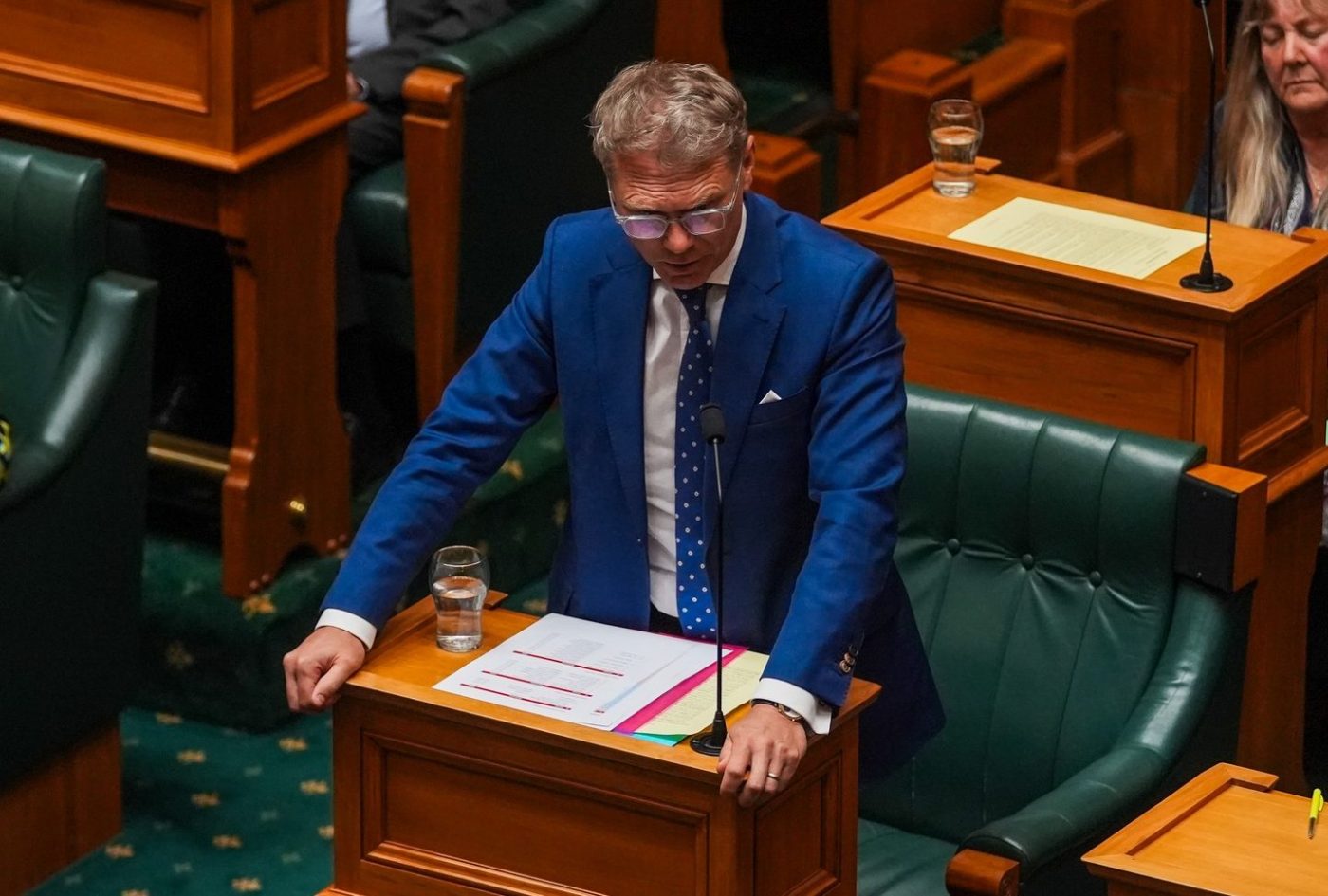
“Meth is a scourge on our society. Consumption doubled last year and ultimately, increased meth use fuels organised crime and destroys lives,” Goldsmith said.
“This Government’s primary justice target is to reduce the number of victims of crime.”
Maritime crackdown across the Pacific
Customs, the New Zealand Defence Force, and the Government Communications Security Bureau will partner on new maritime operations to detect, deter and disrupt drug shipments from Central and South America bound for New Zealand and Pacific nations.
Ministers Casey Costello and Judith Collins will lead the operations to collect intelligence and intercept smuggling ventures on the water, targeting transnational crime routes.
At home, the maritime sector will be consulted on proposed legislative changes to strengthen background checks for port workers and reduce the risk of criminal infiltration at New Zealand ports.
Strengthening Police powers and asset recovery
Police will gain enhanced powers to intercept communications and search electronic evidence under amendments to the Search and Surveillance Act 2012.
Further amendments to the Criminal Proceeds (Recovery) Act 2009 will allow police to seize criminal profits more quickly and effectively.
Police Acting Assistant Commissioner of investigations, Corrie Parnell, told the Franklin Times that “New Zealand Police welcome today’s announcement of funding for additional Police operational actions and the Resilience to Organised Crime in Communities (ROCC) work programme.”
He said the additional funding will help “follow and recover the money funding organised crime and meth trafficking.”
“The importation and supply of meth in New Zealand is motivated by profit. Increasing Police’s capacity to restrain and forfeit meth profits makes New Zealand a less desirable location for organised criminal groups to do business,” Parnell said.
“Two new international liaison officers and an additional money-laundering team will also enhance cross-border policing and financial investigations.”
$30 million for prevention and addiction services
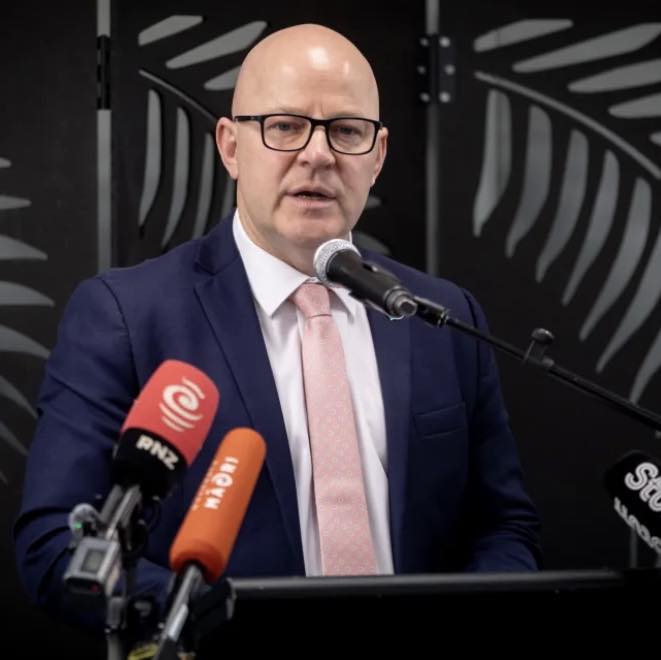
Associate Health Minister Matt Doocey will lead a $30 million, four-year investment in services to support communities most affected by methamphetamine, through the Vote Health mental health and addiction budget.
The funding includes:
- $3.6 million to expand the secondary-school-based Tūturu programme in Northland, Rotorua and Gisborne
- $6.9 million for early intervention and peer-support services
- $14 million for intensive treatment services in high-demand regions
- $6 million for training and upskilling addiction practitioners
A separate $5.9 million national media campaign, funded from the Proceeds of Crime Fund, will aim to discourage meth use and promote access to support services.
Community resilience and international cooperation
The Resilience to Organised Crime in Communities (ROCC) programme will receive $11.1 million to continue until December 2026. Led by Minister Costello, it coordinates targeted interventions in areas with high meth use, combining enforcement with social and health support.
New offshore liaison positions and stronger collaboration with international partners will also focus on disrupting meth and money-laundering networks at their source.