


|
Getting your Trinity Audio player ready...
|
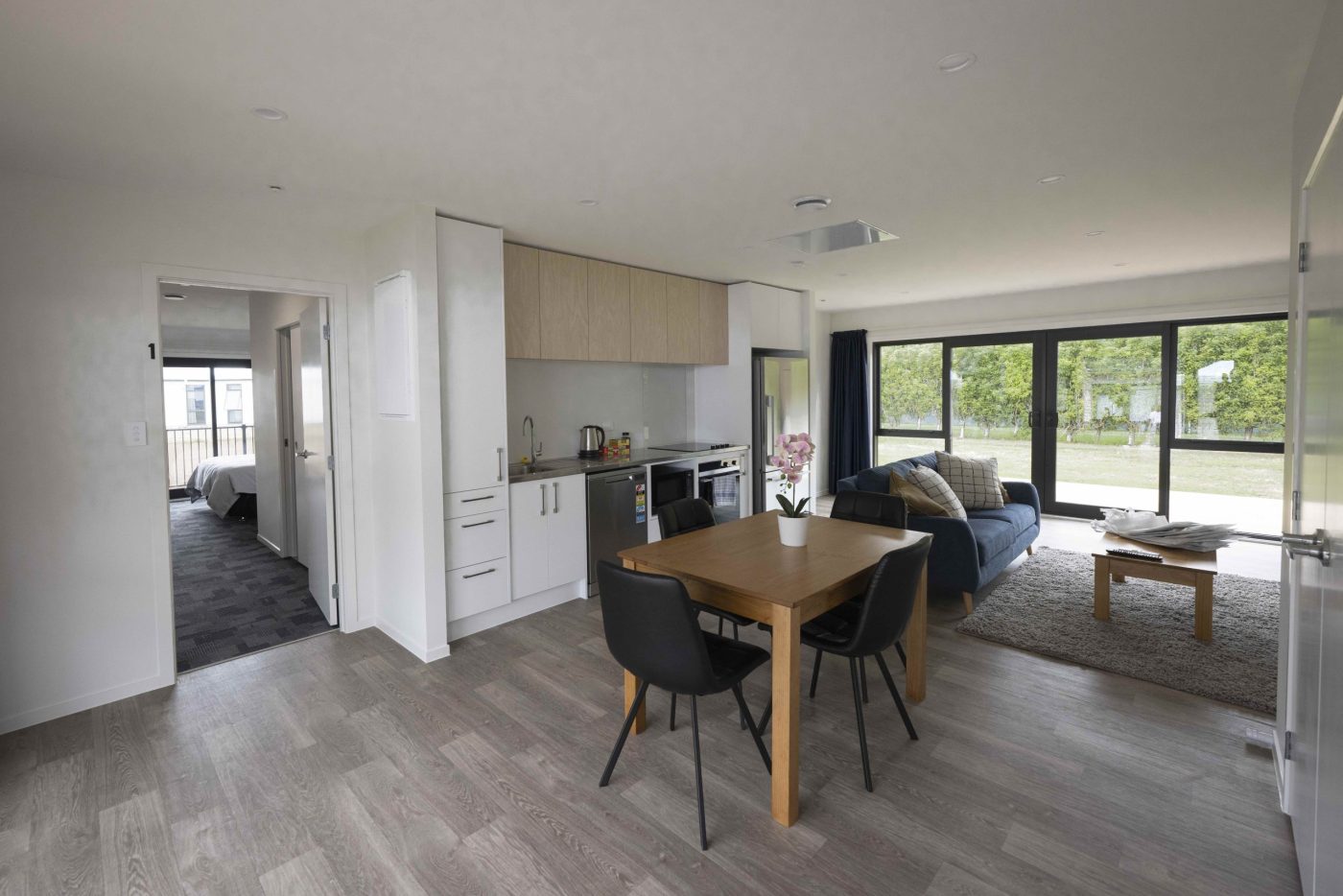
Papakura Military Camp will receive a major accommodation upgrade, with the New Zealand Defence Force confirming two projects are now under way to deliver 96 new permanent rooms from December 2026 onwards.
The programme is part of the Government’s newly announced Defence Estate Portfolio Plan, a long-term strategy to overhaul New Zealand’s ageing military facilities after decades of underinvestment.
The plan, released on November 26, warns that more than 70 percent of Defence infrastructure has less than 20 years of useful life remaining, with some buildings deteriorating to the point where training, operations and even personnel safety could be put at risk.
Associate Defence Minister Chris Penk said the condition of the estate had reached a critical point.
“The national security of New Zealand depends on a strong Defence estate that empowers the Force to perform at its best,” Penk said.
“Sadly, our infrastructure is not equipped to realise this vision. Much of it is aged, fragile and prone to failure.”
The Defence Estate Portfolio Plan sets out how $2.5 billion allocated in the Defence Capability Plan 2025 will be used over the next four years, subject to annual budgets, and establishes a pathway to regenerate the entire estate by 2040.
Upgrades already delivered at Papakura
Papakura Military Camp, home of the New Zealand Special Air Service, has already seen new accommodation added to the site. Five new barracks and a utility block were completed in late 2024 and early 2025, providing 20 modern bedrooms with shared kitchen and lounge facilities. A separate utility block contains laundry services and general storage.
These new rooms were delivered as Defence began vacating five older barrack blocks from May 2024.
Personnel were temporarily shifted into the new permanent rooms or housed in leased accommodation while long-term planning continued. The camp also has an existing permanent accommodation block constructed in 2008.

New projects to expand capacity
A Defence spokesperson said the two new accommodation projects announced will expand the camp’s capacity and address the ageing structures that have already been taken offline. The 96 permanent rooms will be delivered in stages from late 2026 onwards.
The spokesperson said Defence cannot confirm how many personnel live on site for security reasons but noted that Papakura remains a strategically important base within New Zealand’s military network.
Papakura Military Camp was established in 1939 as a Second World War training camp. It closed in 1991 and personnel were relocated to Mt Wellington and Hobsonville. In 2002, after the closure of Hobsonville Air Base, the camp was reopened and the NZSAS re-established at the site following a major construction programme.
In 2008, Combat Services Support Company (North) was also relocated to Papakura. Close to the camp, the Ardmore Military Training Area hosts weapons training ranges used by multiple North Island Army units.
The upgrades at Papakura form part of a nationwide effort to stabilise and modernise the Defence estate, which includes camps, bases, housing, training areas and critical infrastructure.
Penk said the Defence Estate Portfolio Plan replaces earlier fragmented approaches and is designed as a holistic rebuild focused on long-term capability, safety, resilience and housing quality for Defence personnel.