


|
Getting your Trinity Audio player ready...
|
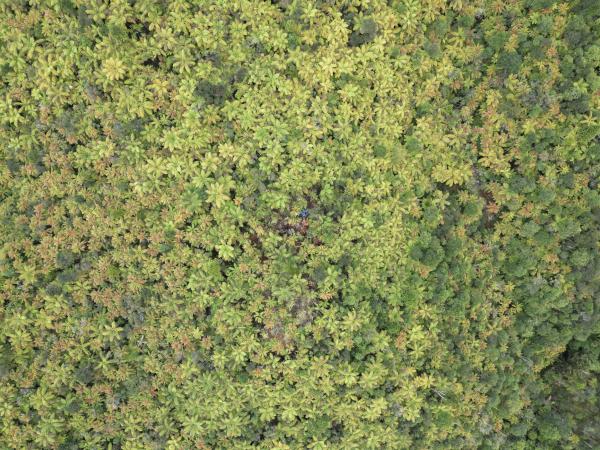
A feature-length documentary that has followed New Zealand Police during the search for Tom Phillips and his children may never be broadcast, despite months of filming and exclusive access to the investigation.
The documentary, provisionally titled The Marokopa Project, was produced by Dunedin-based NHNZ Worldwide in partnership with London-based company Grain Media under a formal access agreement signed with police in March 2025.
Documents released under the Official Information Act show police granted the producers exclusive access to Operation Curly, the long-running investigation into Phillips’ disappearance with his children from the Marokopa area.
That access was subject to strict conditions governing filming, editorial control, privacy protections and compliance with court orders.
However, multiple suppression orders, firm opposition from both sides of the children’s family and the launch of a closed government inquiry now place significant legal and practical barriers in the way of the documentary ever being aired in New Zealand or overseas.
What the agreement allowed
Under the agreement, police agreed to cooperate exclusively with the producers in the making of a feature-length documentary, expected to run between 90 minutes and two hours, following the Operation Curly investigation.
The agreement allowed the documentary team to attend and film selected police briefings, meetings and operational activity, record interviews with senior police involved in the case, and access certain evidence, still images, CCTV and aerial footage where police had authority to grant access.
Filming in the Marokopa community and surrounding areas was permitted, subject to police approval and consent requirements.
At the same time, police retained extensive control over the project. The agreement gives police full preview rights before any broadcast and the ability to require edits or removals on grounds including operational security, privacy, victim impact, fair trial considerations and family harm.
Police also retain veto rights over replays or altered versions and could terminate filming access at any time.
The agreement makes clear the documentary cannot be released before the children were recovered and all court proceedings are complete.
Police confirmed under the OIA they were not paid to participate and that no fee applied for the production.
Exclusive access and public concern
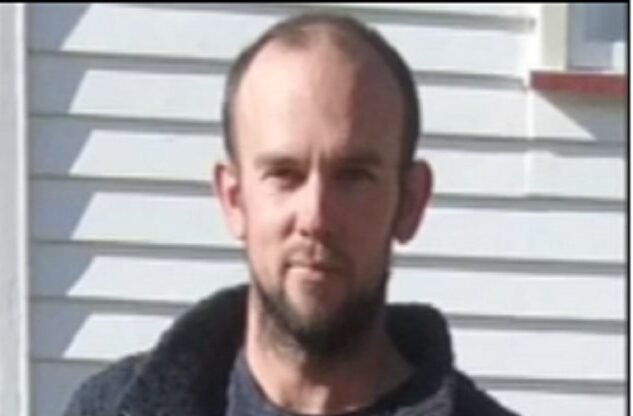
Police confirmed the documentary team was allowed inside the police cordon on September 8 and 9, 2025, following the fatal shooting of Tom Phillips and the recovery of his children, under the terms of the agreement.
Other media organisations were excluded from those restricted areas. Police have said the documentary crew was not present during the critical incident itself when a police officer was shot and Phillips died.
Dame Julie Christie, chief executive of NHNZ Worldwide, was present at a police media stand-up on September 8, shortly after the incident.
All media requests from the Franklin Times to NHNZ Worldwide seeking comment for this story have gone unanswered.
Suppression orders create major legal obstacles

Wide-ranging suppression orders issued by Hamilton Family Court Judge Garry Collin place severe restrictions on what can be published about the Phillips children.
The orders prohibit publishing or communicating any information about the children, publishing images or footage beyond those that existed before December 9, 2021, and publishing any documentary, film or book that refers to the children.
They also prevent filming or photographing any homes the children live in, any caregivers, or any educational or community facilities they attend.
The orders remain in force indefinitely unless lifted by the Family Court or High Court.
Separate suppression orders were also made in the High Court in the immediate aftermath of Phillips’ fatal shooting and the recovery of the children.
Stuff and NZME have applied for judicial review of the High Court and Family Court suppression orders. The Franklin Times and Eastern Times are not challenging either court’s decisions.
Families oppose the documentary
The Franklin Times understands both the maternal and paternal families oppose the making and airing of the documentary.
After speaking with a maternal family member on December 12, they said “no-one in the family consents to the documentary being made or airing.”
The children’s mother, Cat, has publicly stated she does not support or consent to the documentary being produced.
“My children and our whānau are navigating an experience few could ever imagine,” she told Mata.
“Our only wish is to move forward with privacy, healing, and dignity. We again wish to state unequivocally: we do not support, nor do we consent to, this documentary.”
Phillips’ sister, Rozzi Phillips, has also spoken out, telling RNZ the family was disturbed by the prospect of the tragedy being used for entertainment or profit, and stressing the importance of protecting the children’s privacy.
Police have acknowledged the family’s opposition, noting the agreement allows police to provide advice to the producers on victim and family concerns during editorial review.
Government inquiry adds further constraints
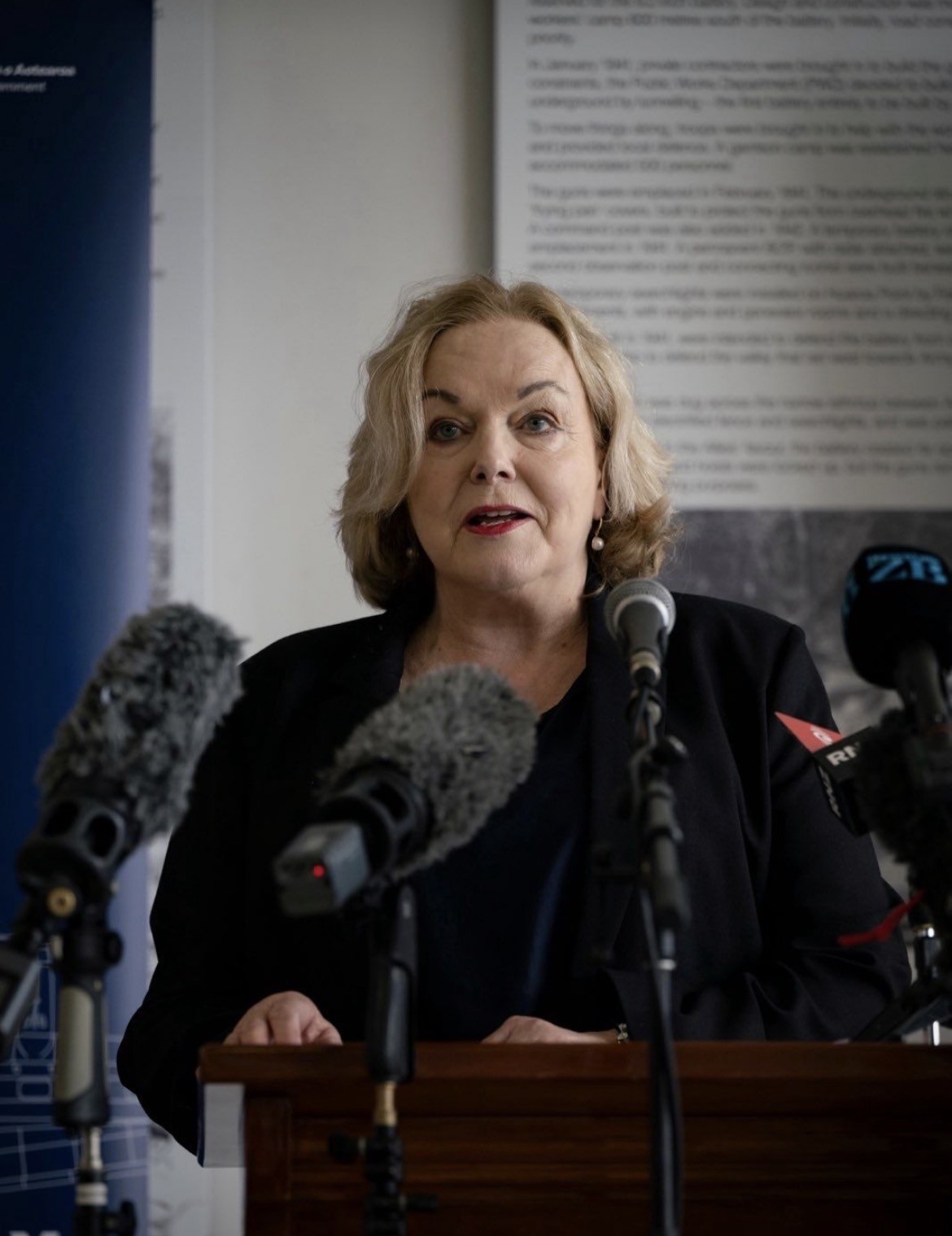
On November 27, 2025, the Government released the terms of reference for a public inquiry into the disappearance of the Phillips children.
Attorney-General Judith Collins said the inquiry reflected widespread public concern about whether government agencies took all practicable steps to protect the children during the nearly four years they were missing.
The inquiry will be held entirely in private because of the children’s vulnerability and existing Family Court suppression orders.
Former High Court judge Justice Simon Moore KC has been appointed as the sole member and must deliver his final report by July 21, 2026.
The inquiry will examine the actions of Police, Oranga Tamariki and other agencies from 2018 until the children were located on September 8, 2025. It will assess what agencies knew, how they engaged with the Family Court, and whether earlier or more effective intervention could have prevented the disappearance or shortened the search.
The inquiry will not revisit Family Court decisions, suppression orders or determine criminal, civil or disciplinary liability, though it may make findings of fault and recommend changes to legislation, policy or practice.
Why the documentary may never air
While the Police agreement anticipates a possible broadcast around 2027, the future of The Marokopa Project remains uncertain.
Indefinite Family Court suppression orders prohibit documentaries that refer to the children, while High Court suppression orders and related judicial review proceedings remain unresolved.
Strong opposition from both sides of the family adds further weight against publication, alongside the constraints imposed by a private government inquiry.
Although police have confirmed the agreement does not limit the documentary to New Zealand audiences, any release would still need to comply with New Zealand court orders and sub judice rules.