


|
Getting your Trinity Audio player ready...
|
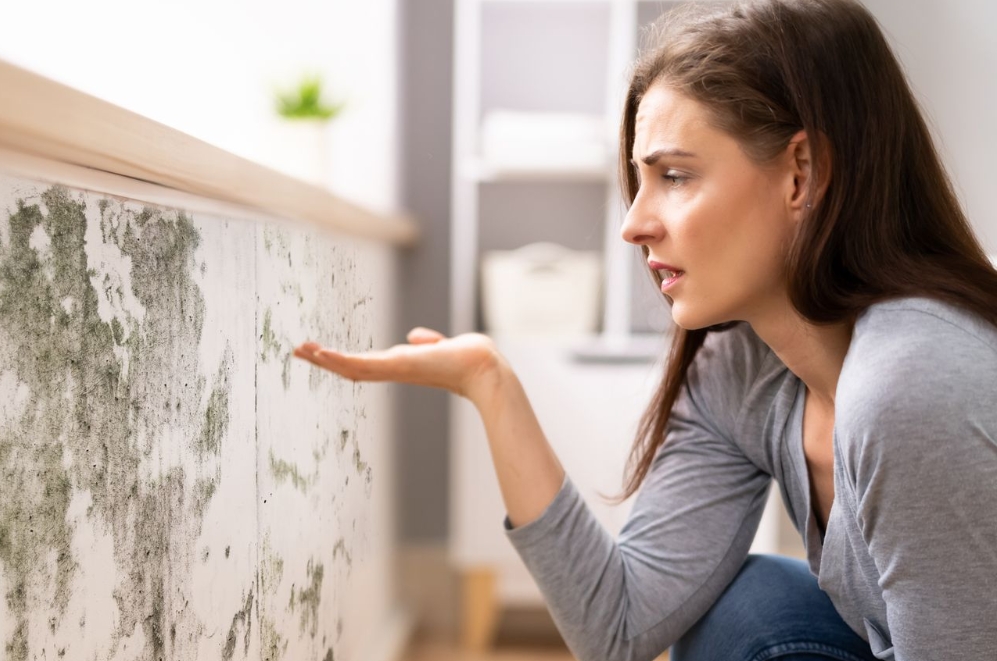
They say a healthy home is a happy home, but as the chilly winter weather sets in, it pays to ensure our homes are up to code.
Fortunately, law changes in recent years are helping renters stay warm, dry and healthy, while providing useful guide for landlords, Vaughan Terry from Waikato Healthy Homes explains.
“Landlords must provide one or more fixed heaters that can directly heat the main living room,” he says. “The heater must be an acceptable type and must meet the minimum heating capacity required for your living room.”
In addition, windows in living rooms, dining rooms, kitchens and bedrooms must all have
windows that can be opened while kitchens and bathrooms must have extractor fans.
Keeping draughts out is also a legal requirement in rentals.
“Landlords must make sure the property doesn’t have unreasonable gaps or holes in walls,
ceilings, windows, skylights, floors and doors which cause noticeable draughts,” adds Terry All unused open fireplaces closed off, or their chimneys must be blocked to prevent draughts.”
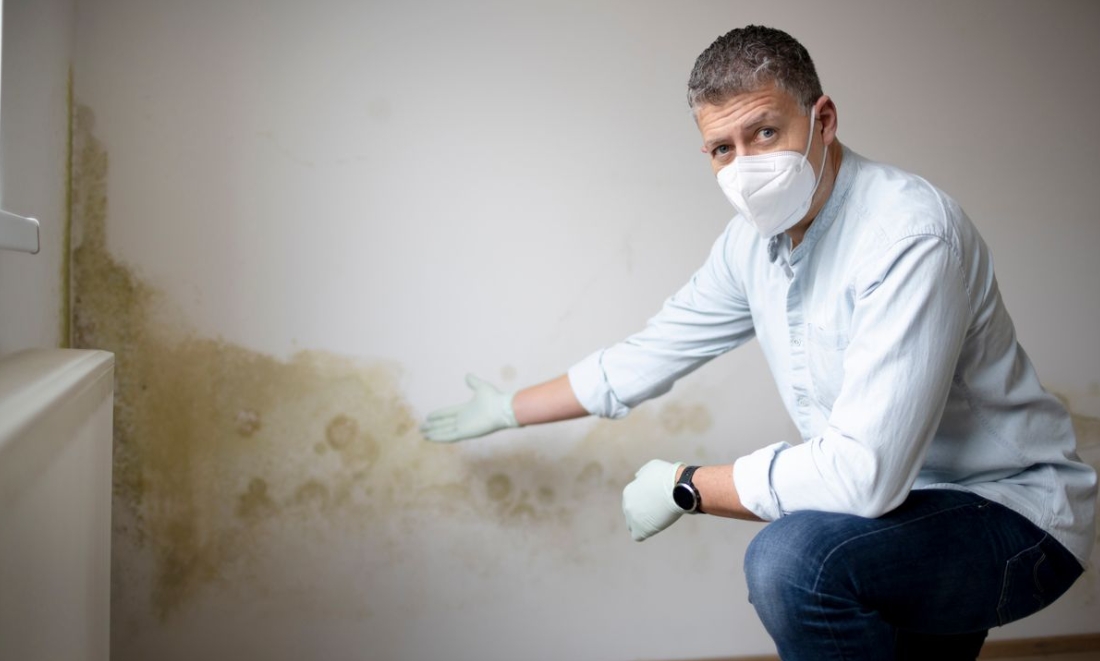
Signs of an unhealthy home
Mould: when moisture builds up, it creates mould that can aggravate medical conditions such as asthma, making breathing harder.
Stuffiness: fresh air is important to prevent mould growth. Stuffiness is a sign of poor air
quality, which can also contribute to respiratory diseases.
Condensation: this is a clear sign that moisture is trapped. Over time, mould and dampness will accumulate, leading to a noticeable musty smell.
Cold: a cold home can have serious consequences for people with respiratory illnesses.
Maintaining a warm home can reduce the risk of asthma attacks.