


|
Getting your Trinity Audio player ready...
|
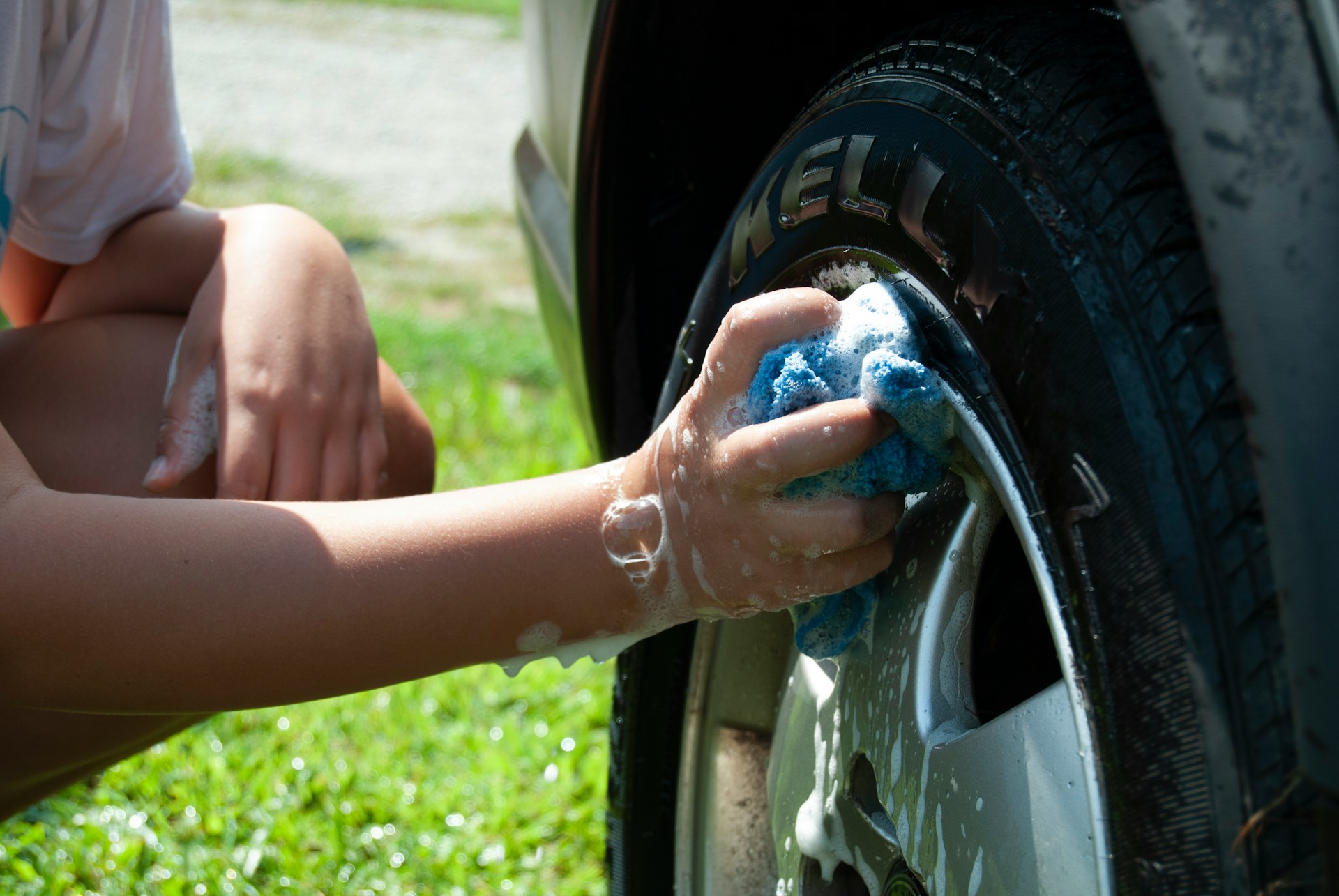
Recent headlines and social media posts have sparked alarm among Aucklanders, with claims that washing your car at home could land you a $1,500 fine under obscure Auckland Council rules.
According to those reports, anyone caught hose-in-hand in their driveway could be penalised for polluting the environment, under rules many people said they had never heard of.
So, is Auckland Council really cracking down on home car washing, or has the issue been overstated? The answer, it turns out, sits somewhere between law, common sense and myth.
Despite claims circulating online, Auckland Council does not have a specific rule banning people from washing their cars at home.
The legislation involved is the Resource Management Act (RMA), which applies nationwide and governs environmental protection across Aotearoa New Zealand.
While the RMA does not mention car washing specifically, it does make it illegal for any person or business to discharge contaminants into water, land or the stormwater system without authorisation. The maximum infringement under the Act is $1,500 for an individual and $3,000 for a business.
Councils are required to enforce the RMA and routinely take action against serious or repeated pollution, particularly where waterways are deliberately contaminated.
What does this mean for washing your car at home?
In theory, the RMA says soaps, detergents and chemicals should not be allowed to wash into stormwater drains from driveways, concrete or sealed surfaces.
That is because stormwater drains flow directly to streams and the sea, unlike wastewater from homes, which is treated. Once contaminants reach waterways, they can harm fish, marine life and fragile ecosystems.
Strictly speaking, washing a car on a sealed driveway where soapy runoff enters a stormwater drain could breach the Act.
In practice, however, Auckland Council takes a pragmatic approach.
Despite widespread claims online, the council says it has no record of fining anyone in recent history simply for washing their car at home.
Compliance officers are not patrolling neighbourhoods on weekends looking for car washers, and enforcement resources are prioritised toward far more serious environmental harm, such as illegal dumping, chemical discharges and protected tree removal.
Q & A with Auckland Council
Adrian Wilson, Compliance Manager, Auckland Council answered the following questions sent by the Franklin Times:
How do people who live in new builds that often don’t have a lot of grass and want to wash their car, supposed to proceed?
For those with no ability to direct wash runoff to grass or other unsealed ground, the most environmentally-friendly option would be to use a commercial car wash service or an automated or self-wash site.
What are the best products to use if the above situations are the case?
There are many carwash products on the market which claim to be eco-friendly. These are likely to be less harmful to the environment than traditional detergents, however even products marked ‘biodegradable’ can pollute waterways.
Will council be cracking down or policing this at all?
Auckland Council Compliance teams don’t actively pursue people for washing cars on driveways. However, we do take enforcement action for commercial operations that discharge detergents into the environment. In the last six months only one commercial car valeting operator has been infringed for discharging contaminants from a residential property.
What happens if a neighbour complains about car washing on concrete and it is draining into the stormwater system?
If the council were to receive a complaint about a neighbour’s car being washed and soapy runoff entering a stormwater drain, our first step would be a conversation and some education, not a fine.