


|
Getting your Trinity Audio player ready...
|
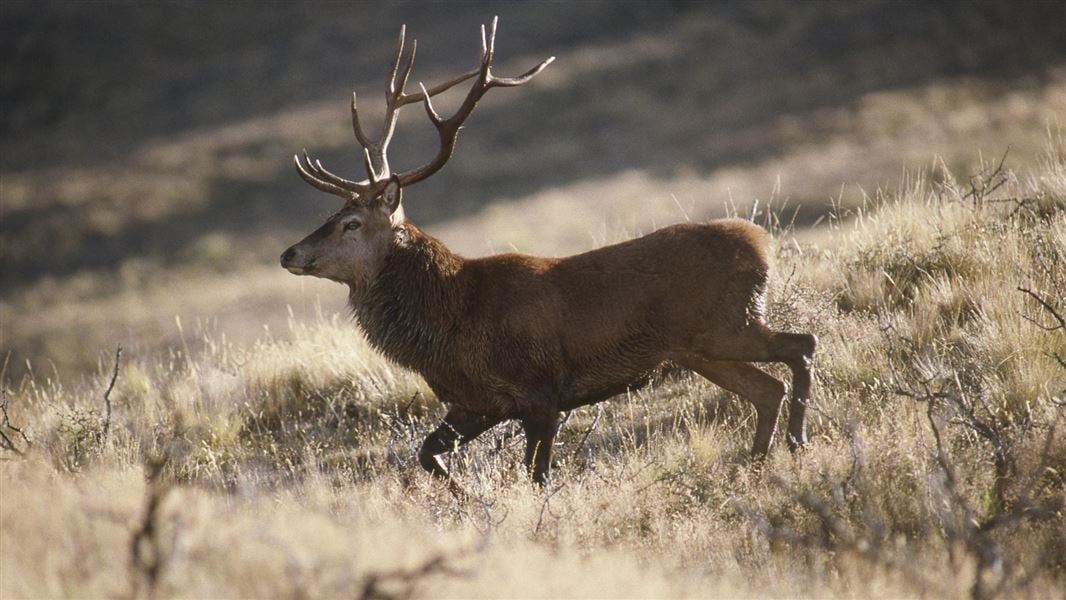
As thousands of hunters are making their plans for the roar, recreational firearms groups are urging hunters to always be 100 per cent sure of their targets.
The roar, or rut, is when the stags are most vocal, calling to attract the attention of hinds and are less cautious than other times. The roar lasts about four weeks, with stags being the most vocal in the middle two weeks. Red deer and sika roar from late March through April, with fallow deer a little later in April.
Te Tari Pureke – Firearms Safety Authority (FSA), which chairs the Recreational Firearms Users Group, has begun a public information campaign reminding hunters everywhere of Rule #4 of the Firearms Safety Code: to identify their target beyond all doubt.
FSA director communities and corporate, Mike McIlraith, says there is an estimated 50,000-60,000 New Zealanders involved in big game animal hunting each year, and the roar is the key event for many hunters each year.
“The roar is a fantastic time of year for hunters to get out into the hills after a trophy animal, but hunting safely and making sure everyone gets home in one piece, still must be the most important goal of every trip,” says McIlraith.
“The consequences of not fully identifying your target beyond all doubt can be catastrophic. Our message to hunters is a really simple one: If you are not sure, then don’t shoot.”
McIlraith says while hunting fatalities are thankfully rare, research has shown that misidentification of the target is the largest firearms-related risk to New Zealand deer hunters, and 80 per cent of the time this involves members of the same hunting group.
The authority says hunters should not feel pressured to take a shot.
“Instead, hunters should take the time to analyse their target, wait and see if it is a hind or stag, how old is the animal, how many points does its antlers have? Identifying your target means never firing at sound, shape, colour, or movement alone.”
McIlraith says good hunters will slow down and run through some simple mental checks:
- Can I see the whole animal, or could this be another hunter?
- Where are my hunting companions – could this be them or someone else?
- How much of the animal can you see, if it is a hind or stag, how old is the animal, and how many points does its antlers have?
“Taking a little extra time to identify your target and check the firing zone is the key to safer hunting. No meat or no trophy is better than no mate,” he says.